

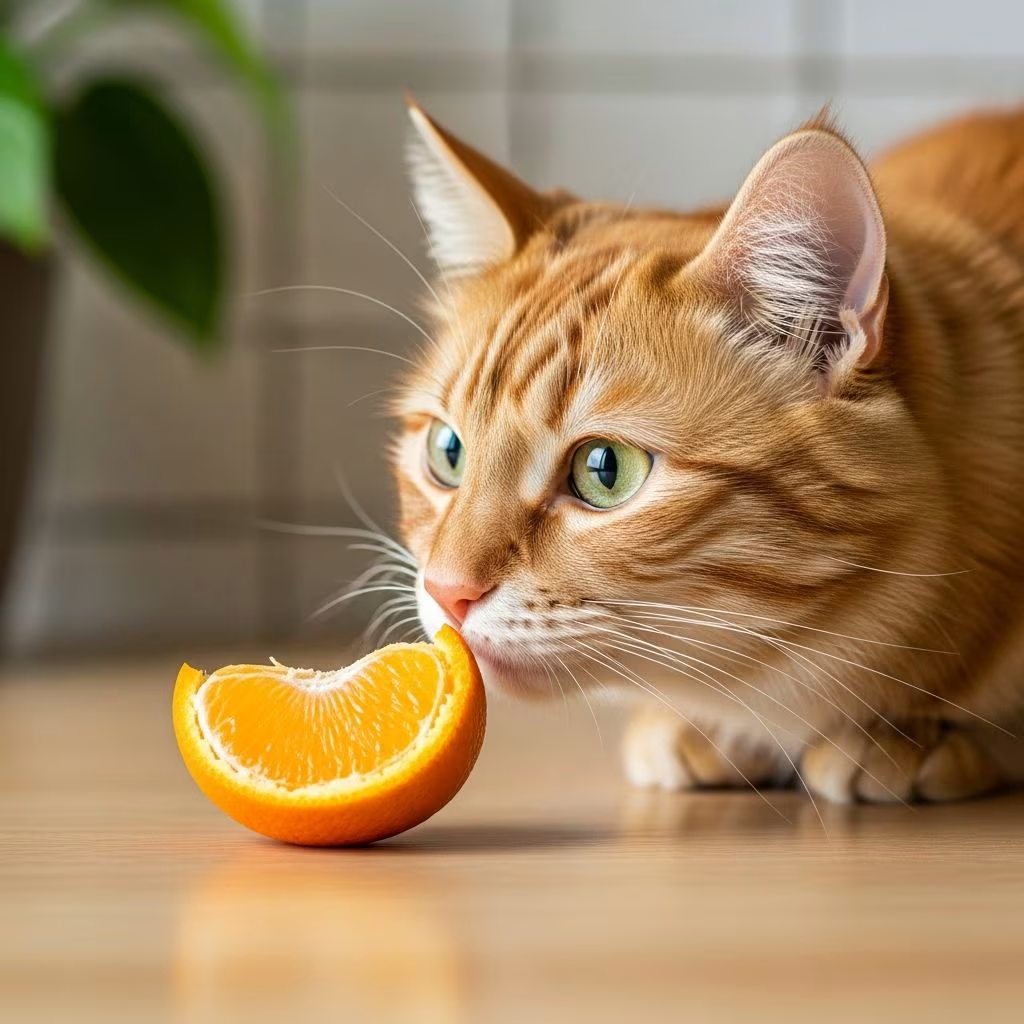
Can Cats Eat Oranges? A Complete Safety Guide
The straightforward answer is no, cats should never eat oranges. While oranges are a nutritious snack for humans, packed with vitamin C and natural sweetness, they pose serious health risks to our feline companions. Cats are obligate carnivores, meaning their digestive systems evolved exclusively to process meat-based nutrition. Unlike humans, cats have no nutritional need for fruits, and citrus fruits in particular contain compounds that can cause significant harm. Understanding why oranges are unsafe and knowing how to respond if your cat ingests them is essential for responsible cat ownership.
Why Are Oranges Toxic to Cats?
Oranges contain several compounds that are fundamentally incompatible with feline physiology. The toxicity of oranges to cats stems from multiple sources, each presenting different levels of danger depending on which part of the orange your cat consumes.
Essential Oils: Limonene and Linalool
The primary toxic compounds in oranges are essential oils, specifically limonene and linalool. These naturally occurring compounds are found throughout the orange, including the peel, pulp, and juice. When cats ingest these essential oils, their livers struggle to metabolize them effectively, leading to a cascade of negative physiological effects. The concentration of these compounds varies dramatically depending on the part of the orange consumed, with the peel containing exponentially higher levels than the flesh.
Citric Acid and Digestive Upset
The flesh of oranges contains 0.5-1.2% citric acid by weight, which directly irritates the feline gastrointestinal system. Citric acid causes stomach upset and can trigger vomiting, diarrhea, and general digestive discomfort. Even small amounts of orange flesh can produce these symptoms, though larger quantities typically result in more severe reactions.
Psoralens: Skin Sensitivity Risk
Both the peel and flesh of oranges contain compounds called psoralens. These chemicals induce photosensitivity, making a cat’s skin abnormally sensitive to sunlight. After consuming psoralens and then spending time in the sun, cats may develop redness, irritation, or blisters on their skin. This delayed reaction makes it particularly dangerous since cat owners might not immediately connect the outdoor exposure to the orange consumption from hours earlier.
High Sugar Content
Oranges contain significant amounts of natural sugar, which poses problems for cats whose metabolic systems are not equipped to process carbohydrates efficiently. For diabetic or pre-diabetic cats, sugar intake can cause dangerous blood sugar spikes. Even for healthy cats, frequent sugar consumption contributes to weight gain and obesity, which increases the risk of joint problems, cardiovascular disease, and metabolic disorders.
Health Implications of Oranges for Cats
Understanding the specific health risks helps cat owners grasp why veterinary professionals universally recommend complete avoidance of citrus fruits. The health consequences range from mild gastrointestinal upset to serious systemic toxicity.
Toxicity Concerns by Orange Part
Different parts of the orange present different levels of danger:
- Orange Peel and Zest: Contains the highest concentration of harmful compounds. Essential oils are most concentrated in the peel, making it the most dangerous part. Even touching or smelling the peel poses minimal risk, but ingestion is serious.
- Orange Juice: Often contains peel oils introduced during commercial processing, making it unsafe despite being just liquid. Fresh-squeezed juice still poses risks due to the concentration of citric acid and exposure to pulp particles.
- Orange Flesh: The least concentrated in d-limonene but still contains harmful compounds and citric acid. Even small pieces can trigger gastrointestinal symptoms.
- Commercial Orange Products: Many commercial orange products contain xylitol, a sweetener that is extremely toxic to cats, causing liver failure and dangerous hypoglycemia.
Symptoms of Orange Toxicity in Cats
If your cat has consumed orange, watch for these warning signs:
- Vomiting and/or diarrhea
- Drooling or excessive salivation
- Loss of appetite or depression
- Abdominal pain or discomfort
- Central nervous system depression
- Skin irritation or photosensitivity reactions (redness, blistering)
- Lethargy or unusual behavior
Symptoms can appear within hours of ingestion. If your cat consumed only a tiny amount of orange flesh, mild gastrointestinal upset may be the only consequence. However, ingestion of orange peel or larger quantities of flesh can produce more severe symptoms.
Common Misconceptions About Cats and Oranges
Dangerous myths about feline citrus consumption persist among cat owners. Debunking these misconceptions is critical for keeping cats safe.
“Just a Small Amount Won’t Hurt”
This is perhaps the most dangerous misconception about citrus and cats. There is no safe threshold for orange consumption. Cats lack the hepatic enzymes necessary to process citrus compounds effectively, meaning even tiny amounts can trigger toxic reactions. The dose-response relationship doesn’t work the same way in cats as in humans. A taste of orange that would cause no harm to a human can trigger visible symptoms in a cat.
“Organic Oranges Are Safer”
The organic designation provides no protection against toxicity. Organic oranges contain the same toxic compounds—limonene, linalool, and citric acid—as conventional oranges. These are inherent to the fruit itself, not pesticide residues. The organic label simply reflects farming practices, not the fruit’s chemical composition.
“My Cat Is Interested, So It Must Be Safe”
Feline interest in oranges reflects curiosity or social bonding behavior, not dietary preference or safety. Cats naturally investigate unfamiliar objects, especially those with strong scents. This exploratory behavior is protective instinct in action when it comes to citrus—cats’ natural aversion to bitter compounds creates an unpleasant taste experience that typically prevents consumption. However, some cats may be less deterred than others, and curious kittens might ingest dangerous amounts.
“All Cats Naturally Avoid Citrus”
While cats are generally deterred by bitter compounds in citrus and lack taste receptors for sweetness, not every cat reliably avoids oranges. This physiological protection has evolved over millions of years, but individual cats vary in their responses. Relying solely on your cat’s natural aversion is risky; active prevention is necessary.
Other Dangerous Citrus and Citrus Products
Oranges are not the only citrus fruits that pose risks to cats. The following should be completely avoided:
| Citrus Fruit | Safe for Cats? | Primary Risk |
|---|---|---|
| Lemons | No | Even higher essential oil concentration than oranges |
| Limes | No | Strong citric acid and essential oil concentration |
| Grapefruits | No | Bitter compounds and toxic oils |
| Mandarin Oranges | No | Same toxins as regular oranges |
| Clementines | No | Smaller size but equally toxic compounds |
| Tangerines | No | Identical toxins to oranges |
Additionally, avoid orange-scented cleaning products, essential oils, and air fresheners in your home. The concentrated nature of these products makes them particularly dangerous if your cat licks or chews items scented with them.
What to Do If Your Cat Eats an Orange
If you suspect your cat has consumed orange or orange products, take these steps immediately:
- Assess the situation: Determine how much your cat consumed, which part of the orange (peel, flesh, or juice), and when consumption occurred.
- Contact your veterinarian: Call your vet or an emergency animal poison helpline immediately, even if your cat appears fine. Provide details about the quantity and type of orange material ingested.
- Monitor for symptoms: Watch for vomiting, diarrhea, drooling, lethargy, or skin irritation over the next 24-48 hours.
- Seek emergency care if needed: If your cat experiences severe vomiting, inability to eat, lethargy, or other concerning symptoms, take them to an emergency veterinary clinic.
- Don’t induce vomiting: Unless specifically directed by your veterinarian, do not attempt to induce vomiting at home.
Using Orange Peels as Deterrents Safely
Some cat owners use orange peels to deter cats from counters, houseplants, or furniture due to cats’ natural aversion to the scent. If you choose this approach, take strict precautions:
- Place peels in locations where your cat cannot actually ingest them
- Never leave loose peel fragments accessible
- Replace peels frequently as they dry and lose potency
- Supervise your cat closely to ensure it doesn’t attempt to eat the deterrent
- Consider safer alternatives if your cat shows any interest in the peels
Safe Fruit Alternatives for Cats
While cats don’t need fruit in their diet, some safe options exist if you want to offer occasional treats:
- Small amounts of cooked pumpkin: Safe and beneficial for digestive health
- Melon (without seeds): Non-toxic in tiny quantities
- Watermelon (seedless): Mostly water and safe in minimal amounts
- Blueberries: Safe in very small quantities
Always introduce any new food gradually and in minimal quantities. Consult your veterinarian before offering any human food to your cat.
Frequently Asked Questions
Q: Can cats eat mandarin oranges?
A: No, cats should not eat mandarin oranges. They contain the same toxic compounds as regular oranges, including limonene, linalool, and citric acid. The smaller size doesn’t make them safer.
Q: What happens if cats eat orange peel?
A: Orange peel contains the highest concentration of essential oils and is particularly dangerous. Cats may experience vomiting, diarrhea, central nervous system depression, and skin sensitivity to sunlight. Peel can also cause choking or intestinal blockage if swallowed in large pieces.
Q: Are there any benefits to cats eating oranges?
A: No, there are no nutritional or health benefits to cats eating oranges. All citrus fruits should be avoided entirely.
Q: How toxic are oranges to cats compared to other fruits?
A: Oranges are among the most toxic fruits for cats. Other dangerous fruits include grapes, raisins, and stone fruits like cherries and peaches (especially the pits). Always consult your veterinarian before introducing new foods.
Q: My cat licked a small piece of orange. Should I be concerned?
A: Monitor your cat closely for 24-48 hours. While a tiny lick may cause only minor gastrointestinal upset, contact your veterinarian if you notice any symptoms like vomiting, diarrhea, or lethargy.
Q: Is orange juice safer than whole oranges?
A: No, orange juice is not safer. Commercial orange juice often contains peel oils from processing, and fresh juice retains the citric acid and essential oils. Orange juice should never be given to cats.
Conclusion: Protecting Your Cat from Citrus
Oranges pose genuine and significant dangers to feline health through their essential oils, citric acid, and other compounds that cats cannot process safely. There is no safe amount of orange for cats—complete avoidance is the only responsible approach. The toxic effects range from mild gastrointestinal upset to serious systemic toxicity, and some effects like photosensitivity may not appear immediately. By understanding why oranges are dangerous, recognizing the symptoms of toxicity, and maintaining strict prevention practices, you protect your feline companion’s health and wellbeing. When in doubt about any food for your cat, consult your veterinarian to ensure your pet receives only safe, nutritionally appropriate sustenance.
References
- Can Cats Eat Oranges? Dangers of Citrus for Your Cat — Feline Fancy. 2024. https://felinefancy.co.uk/blogs/cat-care-tips/can-cats-eat-oranges
- Can Cats Eat Oranges? — Chewy Education. 2025. https://www.chewy.com/education/cat/food-and-nutrition/can-cats-eat-oranges
- Can Cats Eat Oranges? A Complete Guide for Concerned Cat Owners — KwikPets. 2024. https://www.kwikpets.com/blogs/cat/can-cat-eat-oranges



