

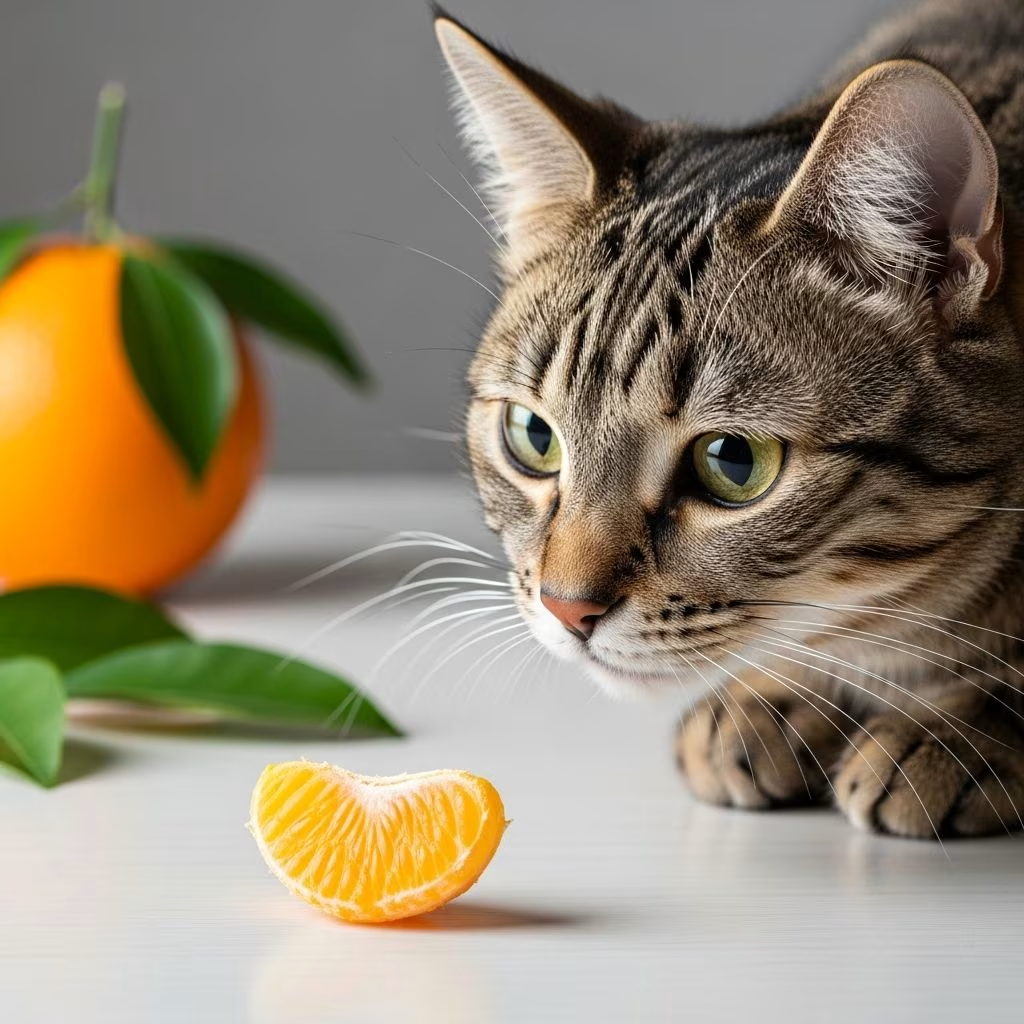
Oranges are a popular, vitamin-rich snack for humans, but cats should never eat oranges or any citrus fruits. These contain toxic compounds like essential oils (limonene and linalool), psoralens, and citric acid that cats cannot metabolize efficiently due to their carnivorous physiology.
As obligate carnivores, cats derive nutrients from meat, synthesizing their own vitamin C and lacking sweet taste receptors. Citrus offers no benefits and poses serious health risks, from mild digestive upset to severe toxicity.
Why Are Oranges Unsafe for Cats?
Oranges pose multiple dangers to cats, primarily through their chemical composition. Here’s a breakdown of the key hazards:
- Toxic Essential Oils: Limonene (95% of citrus oil) and linalool are concentrated in peels but present throughout. Cats lack liver enzymes to break them down, leading to toxic buildup, CNS depression, tremors, and seizures.
- Psoralens in Peel and Seeds: These chemicals cause photosensitivity, resulting in skin irritation, redness, or blisters upon sun exposure. Peels also risk choking or intestinal blockages.
- Citric Acid: Oranges contain about 11% citric acid, irritating a cat’s sensitive stomach and causing vomiting, diarrhea, and discomfort.
- Acidity and Overall Toxicity: The flesh is less concentrated but still harmful; even small amounts trigger reactions. Commercial products may include xylitol, which is deadly.
Cats’ aversion to citrus bitterness is an evolutionary safeguard, as they detect these compounds acutely despite not tasting sweetness.
What Happens If a Cat Eats an Orange?
If your cat ingests oranges, symptoms can appear quickly, varying by amount and part consumed. Common signs include:
- Vomiting and diarrhea (most frequent).
- Lethargy, depression, or drooling.
- Skin irritation or dermatitis from oils.
- Tremors, mood swings, or CNS issues in severe cases.
- Photosensitivity blisters if psoralens are involved.
Peels are most dangerous due to high oil concentration; even a nibble can cause poisoning. Contact a vet or poison hotline immediately—do not wait for symptoms to worsen.
Can Cats Eat Other Citrus Fruits?
No citrus is safe for cats. All share the same toxic profile. Here’s a comparison:
| Citrus Fruit | Safe for Cats? | Main Risks |
|---|---|---|
| Oranges | No | Toxic oils, psoralens, citric acid |
| Lemons | No | Higher essential oils, severe irritation |
| Limes | No | Strong citric acid and oils |
| Grapefruit | No | Bitter toxins, digestive upset |
| Mandarins/Tangerines/Clementines | No | Same as oranges, concentrated in small sizes |
Even diluted juice or zest is risky. Cats instinctively avoid citrus smells.
Are There Any Benefits to Cats Eating Oranges?
No benefits exist. Cats produce their own vitamin C via high-protein diets, making fruit unnecessary. Oranges provide empty calories irrelevant to feline needs, with risks far outweighing any hypothetical gains.
Are Orange Peels and Seeds Dangerous for Cats?
Yes, orange peels and seeds are highly toxic. Peels concentrate limonene, linalool, and psoralens, causing intensified poisoning: vomiting, diarrhea, depression, and blockages. Seeds pose choking hazards and contain trace toxins. Discard peels securely.
Safe Fruits and Treats for Cats
Stick to cat-appropriate foods. Safe fruits (in tiny amounts, <2% daily calories):
- Apples (no seeds/core): Hydrating, fiber.
- Bananas: Potassium, in moderation.
- Blueberries: Antioxidants, dental health.
- Cantaloupe/Watermelon (no rind/seeds): Hydration.
- Strawberries: Vitamin C, low calorie.
Avoid grapes, raisins, stone fruits (pits toxic). Prioritize meat-based treats and consult vets for diet changes.
Common Misconceptions About Cats and Oranges
Myths persist among cat owners:
- “A small amount won’t hurt”: False—no safe threshold; cats can’t process toxins.
- “Organic oranges are safer”: No, same compounds present.
- “My cat likes it, so it’s fine”: Curiosity isn’t endorsement; leads to illness.
- “Just the flesh is okay”: Still contains oils and acid.
Trust veterinary consensus: complete avoidance.
Tips for Cat Owners
Prevent access:
- Store oranges out of reach.
- Avoid citrus-scented cleaners/products.
- Supervise; clean spills promptly.
- Opt for cat-safe treats.
- Monitor for symptoms post-exposure.
A balanced, meat-focused diet meets all needs. Annual vet checkups ensure optimal health.
Frequently Asked Questions (FAQs)
Can cats eat mandarin oranges?
No, mandarins contain the same toxic compounds as regular oranges and should be avoided.
What happens if a cat eats orange peel?
Expect vomiting, diarrhea, depression; high oil concentration worsens toxicity. Seek vet care immediately.
Are there benefits to cats eating oranges?
No benefits; cats self-produce vitamin C and risk harm from toxins.
What fruits are poisonous to cats?
Citrus (oranges, lemons), grapes/raisins, stone fruit pits (cherries, peaches).
Can cats have orange juice?
No, citric acid and oils remain toxic, even diluted.
References
- Can Cats Eat Oranges? — Chewy. 2023. https://www.chewy.com/education/cat/food-and-nutrition/can-cats-eat-oranges
- Can Cats Eat Oranges? Dangers of Citrus for Your Cat — Feline Fancy. 2024. https://felinefancy.co.uk/blogs/cat-care-tips/can-cats-eat-oranges
- Can cats eat oranges, or are they too zesty? — Untamed. 2024. https://untamed.com/blogs/nutrition/can-cats-eat-oranges
- What Fruits Can Cats Eat? 19 Fruits Safe for Cats — PetMD. 2025-01-10. https://www.petmd.com/cat/nutrition/which-fruits-can-cats-eat
- Can Cats Eat Oranges? More Importantly, Why Are You Asking? — HowStuffWorks. 2023. https://animals.howstuffworks.com/pets/can-cats-eat-oranges.htm
- Can Cats Eat Oranges? A Complete Guide — Kwikpets. 2024. https://www.kwikpets.com/blogs/cat/can-cat-eat-oranges



