

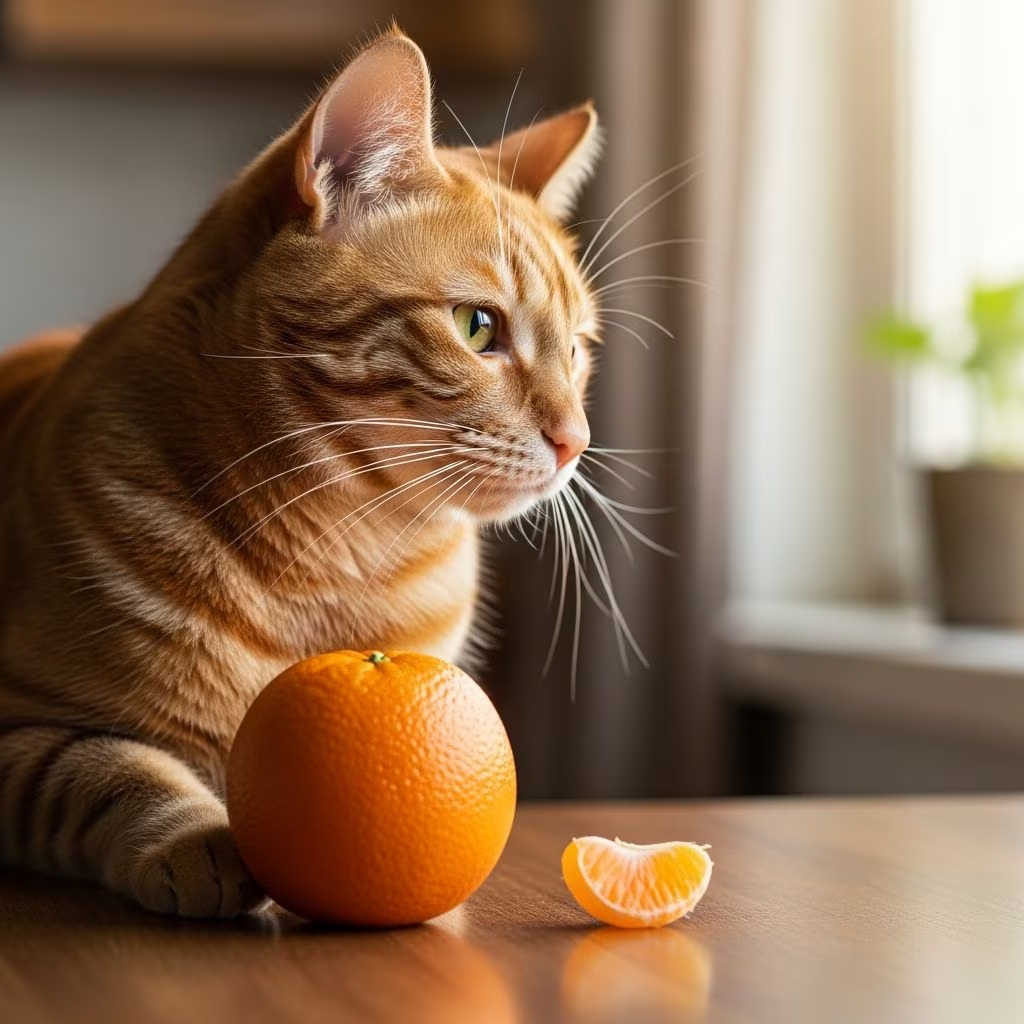
Oranges may be a healthy snack for humans, but cats should never eat oranges or any citrus fruits. These fruits contain toxic compounds like d-limonene, linalool, citric acid, and psoralens that can cause serious health issues in felines, ranging from gastrointestinal upset to central nervous system depression.
Cats are obligate carnivores, meaning their bodies are designed to process meat-based proteins, not fruits high in sugars and acids. Even small amounts of orange flesh, peel, juice, or zest can trigger adverse reactions because cats lack the enzymes to metabolize these substances effectively.
Why Are Oranges Toxic to Cats?
Oranges pose multiple dangers to cats due to their chemical composition. Understanding these risks helps cat owners prevent accidental exposure.
Essential Oils: Limonene and Linalool
The primary toxins in oranges are d-limonene and linalool, essential oils concentrated heavily in the peel but present throughout the fruit, juice, and pulp. These compounds irritate a cat’s digestive tract and liver, as felines cannot break them down efficiently.
- Peel and zest: Highest concentrations—up to exponentially higher levels than flesh.
- Flesh: Contains 0.5-1.2% citric acid by weight, plus oils.
- Juice: Often includes peel oils from processing.
Veterinary toxicologists emphasize there is no safe amount of these oils for cats. Even minimal exposure can lead to drooling, vomiting, or neurological effects.
Citric Acid and High Sugar Content
Oranges are highly acidic, which irritates a cat’s stomach lining, causing discomfort, diarrhea, and vomiting. As obligate carnivores, cats do not process sugars well—orange’s natural sugars can spike blood glucose, risking obesity, diabetes, or joint issues in prone cats.
Cats also lack sweet taste receptors, but they are hypersensitive to bitter citrus compounds, triggering an instinctive aversion.
Psoralens and Physical Hazards
Psoralens in peels, seeds, and flesh cause photosensitivity, leading to skin irritation, redness, or blisters upon sun exposure. Peels pose choking or blockage risks, potentially fatal without intervention.
Symptoms of Orange Toxicity in Cats
If your cat ingests oranges, symptoms appear quickly, varying by amount and part consumed. Flesh may cause mild upset; peels trigger severe reactions.
| Symptom | Common Causes | Severity |
|---|---|---|
| Vomiting | Flesh, juice, peel | Mild to severe |
| Diarrhea | Acids, oils | Mild to severe |
| Drooling/excess salivation | Bitter taste, irritation | Mild |
| Skin irritation or blisters | Psoralens + sunlight | Moderate |
| Lethargy/depression | Central nervous system effects | Severe |
| Choking/blockage | Peel ingestion | Emergency |
Monitor closely and contact a vet or poison hotline immediately if suspected. Do not induce vomiting without professional guidance.
All Citrus Fruits Are Unsafe for Cats
No citrus is safe—same toxic profiles apply across varieties.
| Citrus Fruit | Safe for Cats? | Main Risks |
|---|---|---|
| Oranges | No | Toxic oils, psoralens |
| Mandarin/Tangerines | No | Same oils, smaller size increases temptation |
| Lemons | No | Higher essential oils |
| Limes | No | Strong citric acid & oils |
| Grapefruit | No | Bitter, highly toxic |
| Clementines | No | Concentrated dangers despite size |
Orange-scented products (cleaners, essential oils) are equally hazardous—avoid entirely.
Common Misconceptions About Cats and Oranges
Myths persist among cat owners, but science debunks them.
- “A small amount won’t hurt”: False—no safe threshold exists. Cats’ livers can’t process citrus compounds.
- “Organic oranges are safer”: No, they contain identical toxins.
- “My cat likes it, so it’s fine”: Curiosity or bonding, not safety endorsement. Their bitterness aversion protects them.
- “Orange peels deter cats safely”: Scent repels, but ingestion risks remain—use alternatives.
What Should Cats Eat Instead?
Stick to a complete, balanced cat food diet. Safe treats (under 10% of calories):
- Commercial cat treats
- Plain cooked meat (chicken, turkey)
- Cat-safe veggies: steamed carrots, green beans
- Avoid all fruits with pits/seeds or high sugar
Other toxic fruits: grapes, raisins, cherries, peaches (pits). Always consult vets before changes.
Frequently Asked Questions (FAQs)
Can cats eat mandarin oranges?
No, mandarins contain the same harmful compounds as regular oranges.
What happens if a cat eats orange peel?
Expect vomiting, diarrhea, depression; essential oils are most concentrated here. Seek vet care.
Are there benefits to cats eating oranges?
No benefits—cats don’t need vitamin C from fruit; they synthesize it.
What fruits are poisonous to cats?
Citrus, grapes/raisins, stone fruits (pits).
Can cats have orange juice?
No—often contains peel oils and xylitol in processed versions, both toxic.
Preventing Accidental Exposure
Secure trash, counters, and bowls. Use citrus-free deterrents like double-sided tape or pet-safe sprays. Educate household members—prevention is key to feline safety.
In summary, while oranges delight humans, they endanger cats. Prioritize their carnivorous needs for a long, healthy life.
References
- Can Cats Eat Oranges? Dangers of Citrus for Your Cat — Feline Fancy. 2023. https://felinefancy.co.uk/blogs/cat-care-tips/can-cats-eat-oranges
- Can Cats Eat Oranges? — Chewy. 2024-01-15. https://www.chewy.com/education/cat/food-and-nutrition/can-cats-eat-oranges
- Can Cats Eat Oranges? A Complete Guide — Kwikpets. 2023-05-20. https://www.kwikpets.com/blogs/cat/can-cat-eat-oranges
- Can Cats Eat Oranges? — HowStuffWorks Animals. 2024. https://animals.howstuffworks.com/pets/can-cats-eat-oranges.htm



