

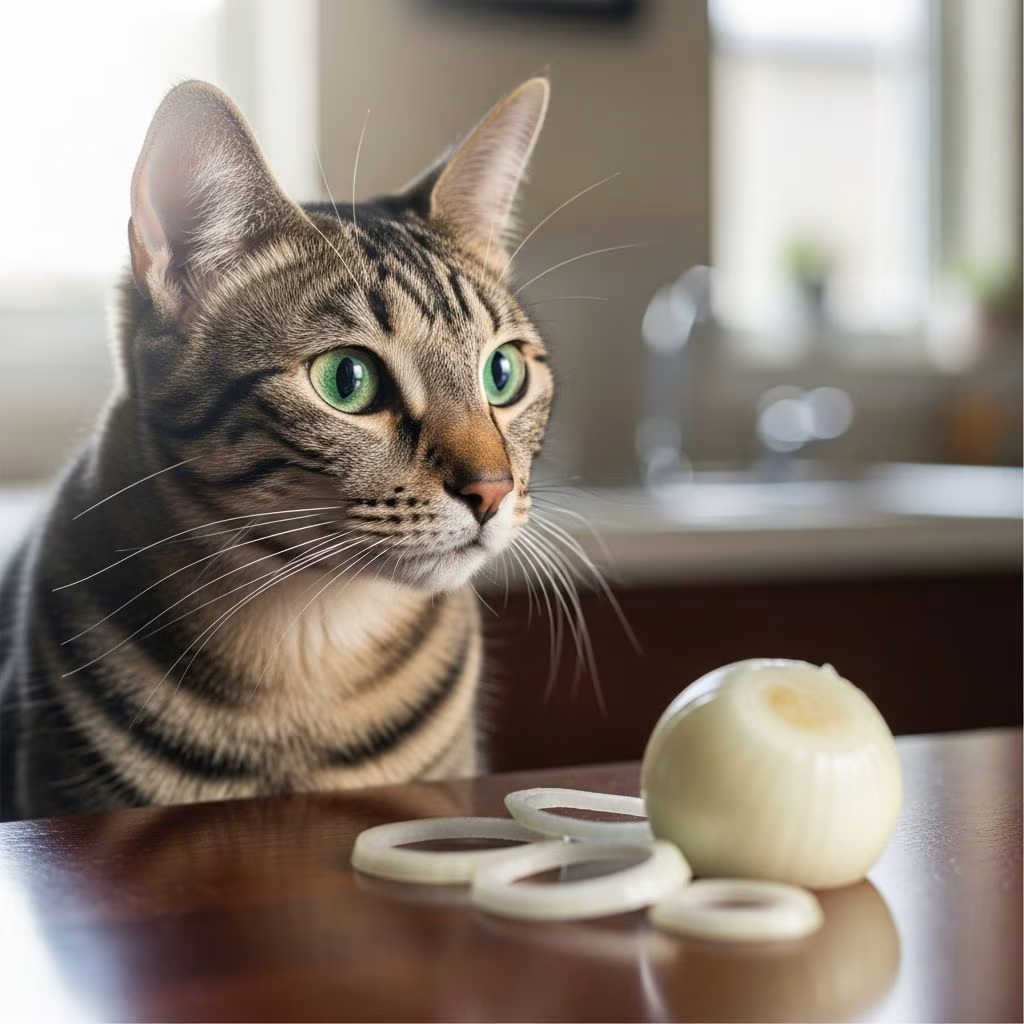
Can Cats Eat Onions? A Complete Safety Guide
Onions are a staple ingredient in human cuisine, beloved for their ability to add depth and flavor to countless dishes. However, as a responsible cat owner, it’s essential to understand that onions present a serious threat to your feline companion’s health. The straightforward answer to whether cats can eat onions is a resounding no. Onion in all its forms—whether raw, cooked, or powdered—is toxic to cats and can cause serious, life-threatening issues, even in small amounts.
Why Are Onions Toxic to Cats?
To understand the danger onions pose to cats, it’s important to recognize the specific compounds that make them harmful. Onions belong to the Allium family, which includes garlic, leeks, shallots, and chives—all of which are toxic to felines. The primary toxic components in onions are n-propyl disulfide and thiosulfate, compounds that attack and damage your cat’s red blood cells.
These harmful compounds trigger oxidative damage to the feline body, leading to a condition called hemolytic anemia. In hemolytic anemia, red blood cells (also known as erythrocytes) are destroyed faster than the body can replace them. When hemolysis occurs—the bursting open of red blood cells—the contents are released into the bloodstream. This prevents the cells from delivering oxygen throughout the body, potentially leading to serious illness and even death in severe cases.
Cats are particularly vulnerable to onion toxicity compared to dogs and humans due to their unique physiology and smaller body size. Their metabolic systems are not equipped to process the toxic compounds found in onions, making even trace amounts a potential hazard.
How Much Onion Is Toxic to Cats?
One of the most critical facts every cat owner should know is the toxicity threshold for onions. The general rule is that approximately five grams of onion per kilogram of body weight can cause serious harm to cats. To put this into perspective, a typical 10-pound (approximately 4.5 kilogram) cat could become seriously ill from consuming as little as 1.5 tablespoons (about 25 grams) of onion.
However, it’s important to understand that toxicity isn’t necessarily dose-dependent in the short term. Even tiny amounts of onion can cause digestive upset in some cats, particularly kittens, senior cats, and certain breeds like Japanese varieties, which appear to be more susceptible to hemolytic changes. Additionally, toxicity can be cumulative—meaning if a cat ingests smaller amounts of onions over multiple days, the level of toxicity can build up and eventually cause serious problems.
For this reason, the safest approach is to completely avoid sharing any foods containing onion with your cat, regardless of the amount.
Onion Toxicity in All Forms
A dangerous misconception among some pet owners is that cooking or processing onions somehow makes them safe for cats. This is absolutely false. Onions remain toxic to cats regardless of how they’re prepared. Let’s examine each form:
Raw Onions
While cats typically dislike the pungent smell of raw onions and are rarely attracted to them naturally, accidental ingestion can still occur, particularly if a curious kitten investigates the kitchen during food preparation.
Cooked Onions
Cooked onions are just as toxic as raw onions. In fact, cooking reduces the sharp taste of onions, making them slightly sweeter and potentially more appealing to cats. This paradoxically makes cooked onions in human dishes a more common source of accidental feline poisoning than raw onions. Many prepared meals—including soups, broths, sauces, and gravies—contain cooked onions that may attract a cat’s interest.
Onion Powder and Dried Onions
Onion powder represents perhaps the most dangerous form of onion for cats because dehydration concentrates the toxic compounds, making them significantly more potent than fresh onions. Dried onion flakes and other dehydrated onion products carry the same elevated risk. Many seasoning blends and commercial pet food products may contain onion powder, necessitating careful label inspection.
Common Foods Containing Hidden Onions
One of the biggest challenges for cat owners is identifying onions in prepared and processed foods. Onions are such a common ingredient in human cuisine that they appear in many unexpected places. Being aware of these hidden sources is crucial for preventing accidental poisoning.
Common foods that frequently contain onions include:
– Soups and broths (especially French onion soup or beef broth)- Sauces and gravies (mushroom gravy, tomato sauce)- Baby food (certain vegetable and meat combinations)- Processed meats (sausages, deli meats, hamburgers)- Prepared pizza and Italian dishes- Asian dishes and stir-fries- Canned vegetables and mixed vegetable dishes- Salsa and other condiments- Pet food treats (always check labels carefully)
Always read ingredient labels carefully before offering any human food to your cat, even in small amounts. If you’re unsure whether a food contains onions, err on the side of caution and avoid giving it to your feline companion.
Symptoms of Onion Poisoning in Cats
Understanding the signs of onion toxicity is essential for early detection and prompt veterinary care. Symptoms typically appear 2-5 days after ingestion as the toxic compounds gradually damage red blood cells. However, this delayed onset means you may not immediately realize your cat has been poisoned.
Common Symptoms Include:
– Weakness and lethargy- Pale gums (indicating reduced oxygen-carrying capacity)- Rapid or labored breathing- Vomiting and diarrhea- Loss of appetite- Abdominal pain or discomfort- Dark-colored urine (indicating damaged red blood cells)- Jaundice (yellowing of eyes, ears, and gums)- Collapse or difficulty moving
If your cat exhibits any of these symptoms, particularly if you suspect onion ingestion, contact your veterinarian immediately or visit an emergency veterinary clinic. Don’t wait to see if symptoms resolve on their own—hemolytic anemia can progress rapidly and become life-threatening without prompt treatment.
What to Do If Your Cat Eats Onions
If you discover that your cat has consumed onions or onion-containing food, take the following steps:
Immediate Actions
– Contact your veterinarian or an emergency veterinary clinic immediately, even if your cat appears fine- Inform the vet of the type of onion consumed, the approximate amount, and the time of ingestion- Don’t induce vomiting unless specifically instructed by a veterinary professional, as this may cause additional harm- Keep a sample of the food or its packaging available if possible, to help the vet assess the situation
Veterinary Treatment
Your veterinarian may recommend various diagnostic tests, including blood work to assess red blood cell counts and check for hemolytic anemia. Treatment depends on the severity of poisoning and may include supportive care, monitoring, or in severe cases, blood transfusions. The good news is that most cats recover completely with prompt and appropriate veterinary treatment.
Protecting Your Cat from Onion Toxicity
Prevention is always better than treatment when it comes to onion poisoning. Implement these protective measures:
– Keep all onions, onion powder, and onion-containing foods securely stored away from your cat- Educate family members and guests about the dangers of feeding human food to your cat- Never leave prepared foods or cooking ingredients unattended where your cat might access them- Check the ingredient lists of all commercial cat treats and foods- Avoid sharing meals with your cat, especially dishes that commonly contain onions- Be particularly cautious during holidays when onion-heavy dishes like stuffing and gravy are common- Consider using pet-safe herbs and seasonings in your cat’s food if you prepare homemade meals
Safe Alternatives for Your Cat
While your cat should avoid onions entirely, there are many safe and nutritious food options that can provide variety and enrichment. Consult with your veterinarian about appropriate treats and supplements. Many commercial cat foods and treats are specifically formulated to meet feline nutritional needs without any harmful ingredients.
Frequently Asked Questions
Q: Can cats eat onions in any form?
A: No. Onions are toxic to cats in all forms—raw, cooked, powdered, or dehydrated. There is no safe form of onion for feline consumption, and all should be avoided completely.
Q: What’s the smallest amount of onion that can harm a cat?
A: While the general threshold is about 5 grams per kilogram of body weight, even smaller amounts can cause gastrointestinal upset. However, some cats, particularly kittens, seniors, and certain breeds, may experience symptoms from even trace amounts.
Q: How quickly do onion poisoning symptoms appear?
A: Symptoms typically appear 2-5 days after ingestion. The delayed onset occurs because it takes time for the toxic compounds to accumulate and damage enough red blood cells to cause noticeable clinical signs.
Q: Is it safe if my cat licks onion residue off my plate?
A: No. Even trace amounts of onion residue can potentially cause harm, especially if ingested regularly. Always wash your hands after handling onions and rinse dishes thoroughly before your cat has access to them.
Q: Can cats eat foods cooked with onion powder?
A: No. Onion powder is actually more dangerous than fresh onions because the dehydration process concentrates the toxic compounds. Foods seasoned with onion powder should never be given to cats.
Q: My cat ate a small piece of cooked onion; what should I do?
A: Contact your veterinarian or a pet poison hotline immediately, even if your cat seems fine. Provide details about the amount and type of onion consumed. Early veterinary intervention can prevent serious complications.
Q: Are other Allium family members also toxic to cats?
A: Yes. Garlic, leeks, shallots, chives, and all plants in the Allium family are toxic to cats. Avoid all of these completely and check that other family members understand this danger as well.
Q: Can toxicity build up over time if my cat eats small amounts?
A: Yes. Toxicity can be cumulative. Even if your cat consumes small amounts of onion over several days, the toxic compounds can accumulate and eventually cause serious health problems. This is why complete avoidance is recommended.
References
- Can Cats Eat Onions? Let’s Peel the Issue — Untamed Cat Food. 2024. https://untamed.com/blogs/nutrition/can-cats-eat-onions
- Can Cats Eat Onions? Human Food for Cats — Kinship. 2024. https://www.kinship.com/cat-nutrition/can-cats-eat-onions
- Can Cats Eat Human Food? A Guide to Safety — Purina US. 2024. https://www.purina.com/articles/cat/feeding/can-cats-eat/is-human-food-safe-for-cats
- Onion and Garlic Poisoning in Cats — PDSA (People’s Dispensary for Sick Animals). 2024. https://www.pdsa.org.uk/pet-help-and-advice/pet-health-hub/other-veterinary-advice/onion-and-garlic-poisoning-in-cats
- Can Cats Eat Onions? Understanding Onion Toxicity — PetsCare.com. 2024. https://www.petscare.com/news/post/can-cats-eat-onions-guide



