

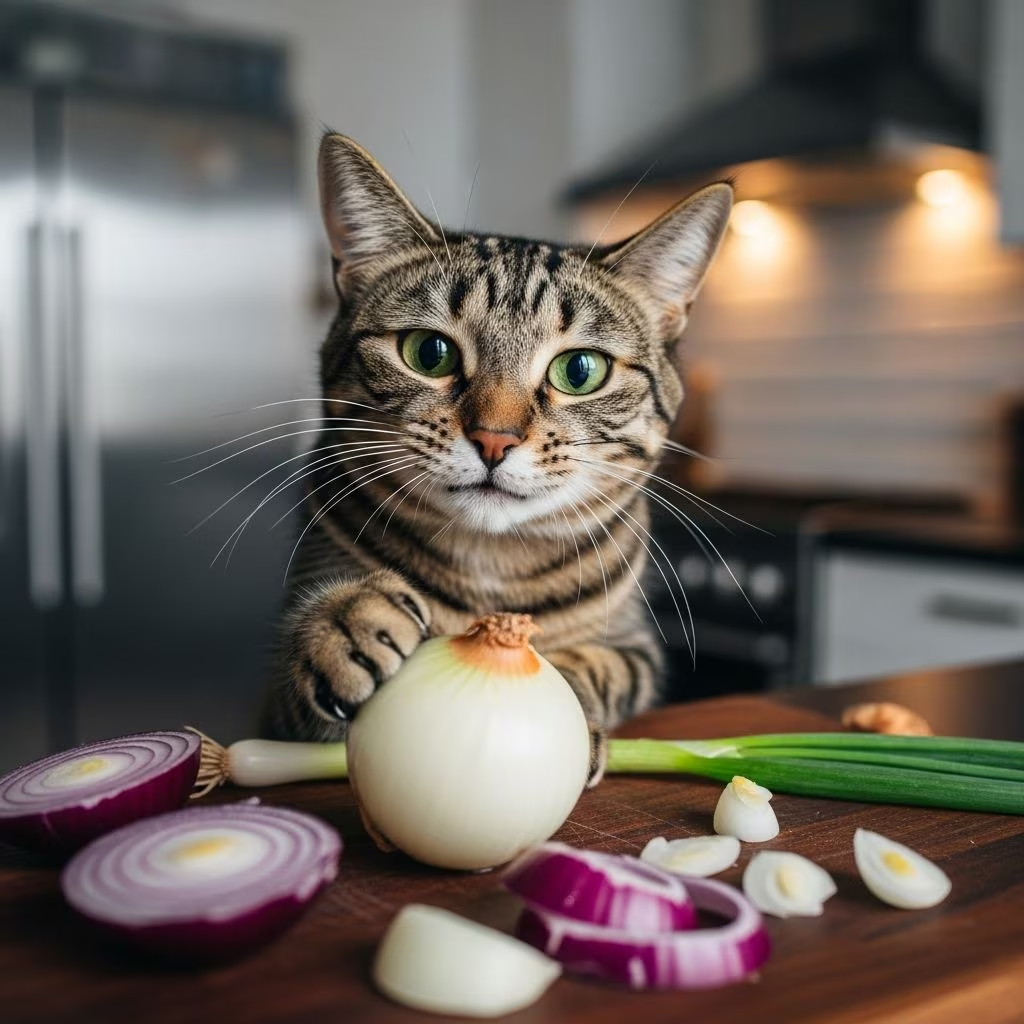
Onions are a common kitchen staple for humans, but they pose a serious health risk to cats. All plants in the Allium genus, including onions, garlic, chives, leeks, and shallots, are toxic to felines and can lead to hemolytic anemia—a potentially fatal condition where red blood cells are destroyed.
This comprehensive guide explains why cats cannot safely consume onions in any form, the mechanisms of toxicity, symptoms to watch for, treatment options, prevention strategies, and safe alternatives to keep your cat healthy and happy.
Why Are Onions Toxic to Cats?
Onions contain compounds like N-propyl disulfide and thiosulphates, which damage feline red blood cells by causing oxidative injury and hemolysis. Cats lack certain enzymes needed to metabolize these sulfur-containing organosulfur compounds, making them particularly vulnerable compared to dogs or humans.
When ingested, these toxins bind to hemoglobin in red blood cells, forming Heinz bodies that lead to premature cell destruction. The resulting anemia impairs oxygen transport, causing weakness, organ stress, and in severe cases, collapse or death if untreated.
All forms of onions are dangerous: raw, cooked, powdered, or dehydrated. Cooking does not neutralize the toxins, and onion powder is even more concentrated, amplifying the risk. Even baby food or broths flavored with onions can be hazardous.
How Much Onion Is Toxic to Cats?
There is no completely safe amount of onion for cats, as even small quantities cause some red blood cell damage. However, clinical signs typically appear when a cat consumes about 5 grams of onion per kilogram of body weight.
For a 5 kg (11 lb) cat, this equates to roughly 25 grams of onion—about a quarter of a medium onion. Onion powder is far more potent; just 0.5-1 gram (a pinch) can be toxic for a small cat.
Toxicity can occur from a single large dose or repeated small exposures over days, as the damage accumulates. Cats with pre-existing conditions like kidney disease are at higher risk, as their bodies compensate less effectively.
| Form of Onion | Approximate Toxic Dose for 5kg Cat | Notes |
|---|---|---|
| Raw Onion | 25g (1/4 medium onion) | Sharp taste deters most cats |
| Cooked Onion | 15-25g | Milder flavor may appeal more |
| Onion Powder | 0.5-1g (1/4 tsp) | Highly concentrated; common in seasonings |
| Dehydrated/Dried | Even smaller amounts | Used in stocks and baby foods |
Symptoms of Onion Poisoning in Cats
Symptoms may not appear immediately; they can take 1-5 days to develop as red blood cell damage progresses. Early detection is crucial for a positive outcome.
- Gastrointestinal signs (first 24-48 hours): Vomiting, diarrhea, abdominal pain, loss of appetite, drooling
- Respiratory issues: Panting, difficulty breathing (dyspnea), rapid heart rate
- Anemia indicators: Lethargy, weakness, pale or yellowish gums, dark urine (hematuria)
- Severe signs: Collapse, rapid breathing, elevated body temperature, blood in vomit or stool
If you suspect exposure, monitor closely and contact a vet immediately—even before symptoms appear.
What to Do If Your Cat Eats Onions
Act fast: Do not wait for symptoms. Call your veterinarian or a pet poison hotline (e.g., ASPCA Animal Poison Control) right away.
- Prevent further ingestion: Remove access to the food source.
- Do not induce vomiting at home: This can worsen damage; only a vet should do this.
- Seek emergency care: Vets may administer activated charcoal, IV fluids, blood transfusions, and oxygen therapy.
- Diagnostic tests: Blood work to check red blood cell count, Heinz bodies, and organ function.
Prognosis is good with prompt treatment; most cats recover fully. Delays increase risks of organ failure.
Allium Family Plants Toxic to Cats
Onions aren’t the only culprits. Avoid all Allium species:
- Garlic (5x more toxic than onions)
- Chives and spring onions
- Leeks
- Shallots
These are common in salads, soups, stir-fries, and seasonings. Even green tops are poisonous.
Prevention Tips: Keep Onions Away from Cats
Proactive steps ensure your cat never encounters onions:
- Secure storage: Keep onions, garlic, and powders in sealed cabinets or fridge drawers out of reach.
- Cooking precautions: Never leave counters unattended; clean surfaces thoroughly.
- Read labels: Avoid treats, baby foods, stocks, or broths with onion/garlic ingredients.
- No table scraps: Human food often contains hidden alliums; feed only cat-approved meals.
- Supervise outdoors: Prevent access to wild chives or leeks.
For multi-pet homes, educate family members on risks.
Safe Alternatives: Cat-Friendly Treats and Foods
Cats are obligate carnivores; skip veggies like onions. Offer these vet-approved options instead:
- Commercial cat treats: Chicken, fish, or tuna-based (low-sodium).
- Plain cooked meats: Chicken, turkey, beef (no seasonings).
- Cat-safe veggies: Small amounts of steamed carrot, pumpkin, or green beans for fiber.
- Hydration boosters: Wet cat food or tuna water (in water, not oil).
Always introduce new foods gradually and limit treats to 10% of daily calories to prevent obesity.
FAQs
Can cats eat cooked onions?
No, cooking does not destroy the toxic compounds. Cooked onions are just as dangerous and may be more palatable.
Is onion powder safe for cats?
Absolutely not—it’s more concentrated and can cause poisoning in tiny amounts, like a sprinkle on food.
What if my cat ate a small piece of onion?
Contact your vet immediately. Even small amounts warrant monitoring and potential blood tests.
Are green onions toxic to cats?
Yes, all parts of green onions (scallions) belong to the toxic Allium family.
How long do onion poisoning symptoms last?
With treatment, recovery takes days to weeks. Untreated cases can be fatal.
Conclusion
Protecting your cat from onions is simple: keep them out of reach and stick to species-appropriate diets. Awareness saves lives—when in doubt, consult your vet. A toxin-free environment lets your feline thrive.
References
- Onion Poisoning (Allium Toxicosis) in Cats — Vetster. 2023. https://vetster.com/en/conditions/cat/onion-poisoning-allium-toxicosis-in-cats
- Can Cats Eat Onions? — Chewy. 2024. https://www.chewy.com/education/cat/food-and-nutrition/can-cats-eat-onions
- Can cats eat onions? Let’s peel the issue — Untamed Cat Food. 2024. https://untamed.com/blogs/nutrition/can-cats-eat-onions
- Some food toxic for pets — PMC – NIH (PubMed Central). 2010-10-01. https://pmc.ncbi.nlm.nih.gov/articles/PMC2984110/
- Onion and Garlic Poisoning in Cats — PDSA. 2024. https://www.pdsa.org.uk/pet-help-and-advice/pet-health-hub/other-veterinary-advice/onion-and-garlic-poisoning-in-cats
- Can Cats Eat Human Food? A Guide to Safety — Purina US. 2024. https://www.purina.com/articles/cat/feeding/can-cats-eat/is-human-food-safe-for-cats
- Can Cats Eat Onions? Vet-Approved Guide — Ask A Vet. 2025. https://askavet.com/blogs/news/can-cats-eat-onions-vet-approved-guide-on-onion-toxicity-safety-2025-%F0%9F%9A%AB-%F0%9F%90%B1



