

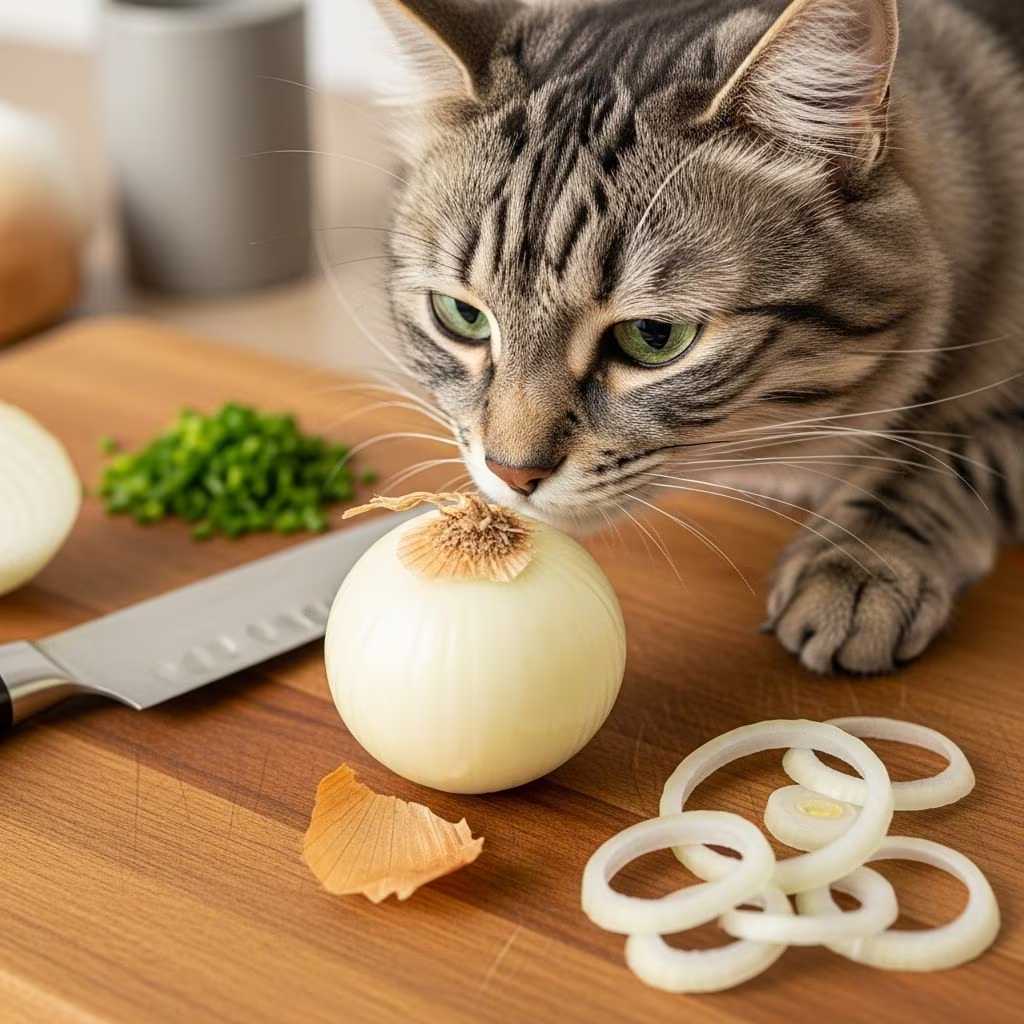
Onions are a kitchen staple for humans, adding flavor to countless dishes, but they pose a serious danger to cats. All forms of onions—including raw, cooked, powdered, or dehydrated—are toxic to felines and can lead to hemolytic anemia, a potentially fatal condition. Cats lack certain enzymes to metabolize compounds like N-propyl disulfide found in alliums, making even small amounts harmful. This guide covers why onions are dangerous, symptoms to watch for, prevention strategies, treatment options, and safe alternatives to keep your cat healthy.
Why Are Onions Toxic to Cats?
Onions belong to the Allium family, which includes garlic, chives, leeks, and shallots—all toxic to cats. These plants contain organosulfur compounds such as disulfates, thiosulphates, and N-propyl disulfide. These substances damage feline red blood cells by causing oxidative stress, leading to hemolysis (rupture of red blood cells) and Heinz body hemolytic anemia.
In hemolytic anemia, red blood cells break down faster than the body can replace them, reducing oxygen transport throughout the body. Cats are particularly vulnerable due to their unique hemoglobin structure, which is more susceptible to oxidative damage than in dogs or humans. Symptoms may not appear immediately, taking 1-5 days or even weeks in chronic cases.
Cooked onions lose their sharp taste, making them more palatable to cats in dishes like soups, gravies, sauces, or pizza toppings, but cooking does not reduce toxicity—in fact, concentration increases in dehydrated forms like onion powder.
How Much Onion Is Toxic to Cats?
There is no completely safe amount of onion for cats, but toxicity thresholds vary by individual sensitivity, cat size, and exposure type. Veterinary sources indicate that as little as 5 grams of onion per kilogram of body weight (about 0.5% of body weight) can cause serious harm, such as anemia. For a 5 kg (11 lb) cat, this equates to roughly 25 grams of fresh onion—about a quarter of a medium onion.
Onion powder is far more dangerous due to its concentration: 1 tablespoon equals one medium onion (226 grams). A toxic dose for a 4.5 kg (10 lb) cat could be as little as 1/4 teaspoon of powder. Chronic low-level exposure, such as repeated small amounts in baby food or treats, can accumulate and cause toxicity over days or weeks.
| Form of Onion | Approximate Toxic Dose for 5kg Cat | Notes |
|---|---|---|
| Fresh Onion | 25g (1/4 medium onion) | Acute ingestion risk |
| Onion Powder | 1/4 – 1/2 tsp | Highly concentrated; common in seasonings |
| Cooked Onions | Similar to fresh | More appealing in foods; no detox by cooking |
| Garlic (related) | 1 clove | 5x more potent than onion |
Individual factors like age, health, and liver function influence severity. Kittens, seniors, and cats with pre-existing conditions are at higher risk.
Symptoms of Onion Poisoning in Cats
Onion toxicity symptoms often develop 1-5 days after ingestion but can be delayed up to a week. Early gastrointestinal signs may precede severe hematologic effects. Monitor closely if exposure is suspected.
- Gastrointestinal: Vomiting, diarrhea, nausea, abdominal pain, loss of appetite
- Hematologic: Pale gums, lethargy, weakness, rapid breathing (dyspnea), elevated heart rate, panting
- Urinary: Dark urine (hematuria), hemoglobinuria
- Advanced: Collapse, jaundice, hemolytic anemia confirmed by bloodwork
If untreated, complications include organ damage (kidneys, liver), shock, and death. Symptoms from chronic exposure mimic acute but progress slowly.
What to Do If Your Cat Eats Onions
Act immediately—do not wait for symptoms. Contact a veterinarian or pet poison hotline (e.g., ASPCA Animal Poison Control) even for small amounts. Provide details: amount ingested, form (raw/cooked/powder), time elapsed, and cat’s weight/health.
Treatment may include:
- Inducing vomiting (if recent ingestion, under vet guidance)
- Activated charcoal to bind toxins
- IV fluids for hydration and support
- Blood transfusions for severe anemia
- Antioxidants like N-acetylcysteine or S-adenosylmethionine
- Hospitalization for monitoring
Most cats recover fully with prompt care, but delays increase risks.
How to Prevent Onion Poisoning in Cats
Prevention is straightforward with vigilance:
- Storage: Keep onions, garlic, and alliums in sealed containers or high cabinets out of reach
- Cooking: Never leave counters unattended; clean surfaces after prep
- Food Sharing: No table scraps, baby food, or human meals—many contain hidden onions (e.g., broths, gravies)
- Labels: Check treats, stocks, and seasonings for allium ingredients
- Education: Inform household members; use cat-proof trash bins
Safe Vegetable Alternatives for Cats
Cats are obligate carnivores, but small amounts of certain cooked veggies can provide hydration and fiber as occasional treats (under 10% of diet). Always introduce gradually and consult a vet.
- Cooked Carrots: Rich in vitamins A, K, B6; supports vision. Avoid raw to prevent choking
- Cooked Asparagus: Aids digestion for diarrhea/constipation; limit due to alkalinity
- Cooked Zucchini: Low-calorie, hydrating for weight management
- Pumpkin (plain): High fiber for hairballs/constipation; 1 tsp max
- Green Beans: Low-cal filler; steamed and chopped
Avoid: Avocado (persin toxin), grapes/raisins, raw potatoes. Prioritize species-appropriate cat food.
Related Allium Plants to Avoid
All Allium species are toxic:
- Garlic (5x more potent; 1 clove risky)
- Chives, leeks, shallots
- Wild onions in gardens
Effects mirror onions but may be stronger.
Frequently Asked Questions (FAQs)
Can cats eat cooked onions?
No, cooking does not neutralize toxins and may make them tastier.
Is onion powder safe for cats?
Absolutely not—it’s more concentrated and dangerous.
What if my cat ate a tiny bit of onion?
Call your vet anyway; even small amounts can harm sensitive cats.
How long do onion poisoning symptoms take to appear?
1-5 days typically, but up to weeks for chronic exposure.
Are there safe human foods for cats?
Yes, plain cooked meats/fish in moderation; avoid seasonings.
References
- Onion and Garlic Poisoning in Cats — PDSA. 2023. https://www.pdsa.org.uk/pet-help-and-advice/pet-health-hub/other-veterinary-advice/onion-and-garlic-poisoning-in-cats
- Can Cats Eat Onions? — Chewy. 2024-01-10. https://www.chewy.com/education/cat/food-and-nutrition/can-cats-eat-onions
- Can Cats Eat Human Food? A Guide to Safety — Purina US. 2024. https://www.purina.com/articles/cat/feeding/can-cats-eat/is-human-food-safe-for-cats
- Can Cats Eat Onions? Vet-Approved Guide — Ask A Vet (Dr. Duncan Houston BVSc). 2025. https://askavet.com/blogs/news/can-cats-eat-onions-vet-approved-guide-on-onion-toxicity-safety-2025
- Onion and Garlic Toxicity in Cats — Joii Pet Care. 2023-05-15. https://www.joiipetcare.com/blogs/poisons/onion-and-garlic-toxicity-in-cats
- Can Cats Eat Onions? Let’s Peel the Issue — Untamed. 2024. https://untamed.com/blogs/nutrition/can-cats-eat-onions



