

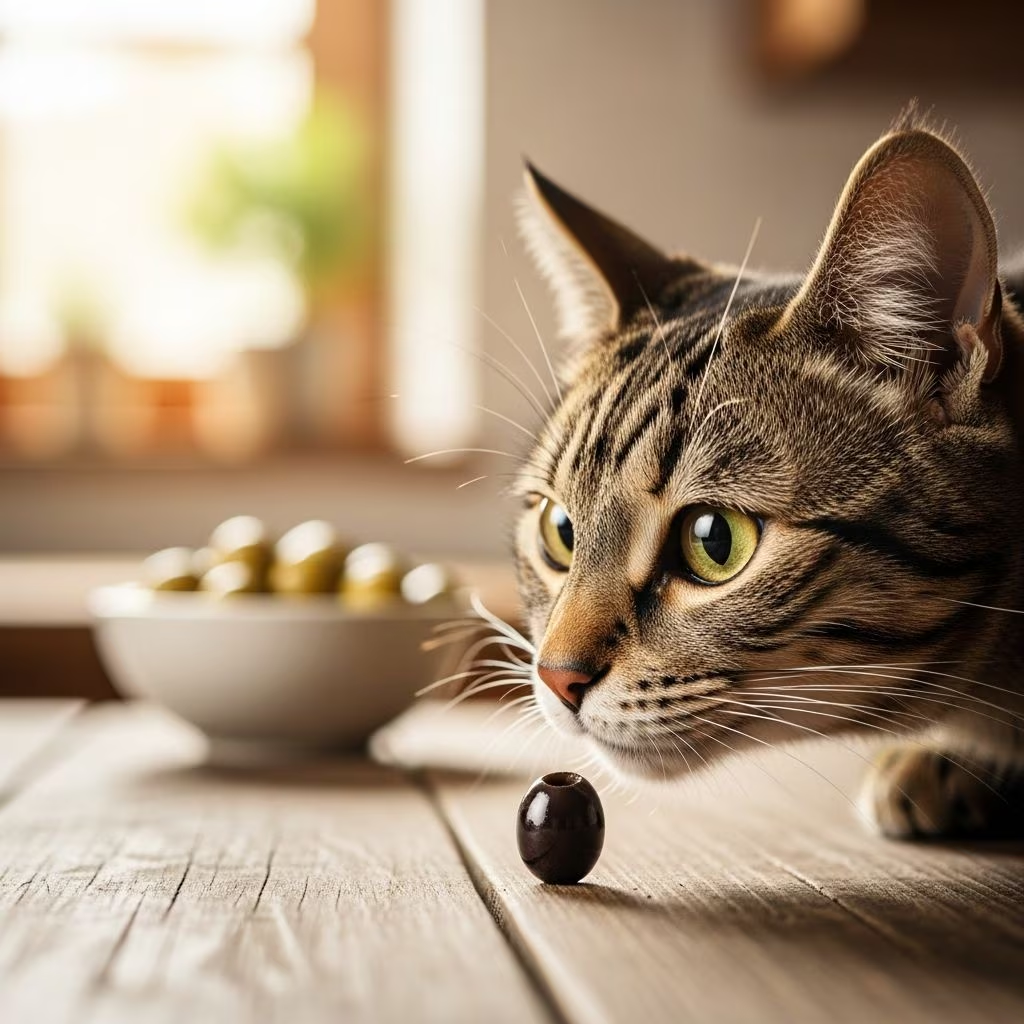
Can Cats Eat Olives? A Complete Guide for Pet Owners
Many cat owners have noticed their feline companions showing unusual interest in olives, leading to questions about whether this Mediterranean staple is safe for cats. While olives are not inherently toxic to cats, the answer to whether your cat should eat them is more nuanced than a simple yes or no. Understanding the potential risks and benefits is essential for making informed decisions about your cat’s diet.
The Nutritional Value of Olives for Humans vs. Cats
Olives have long been celebrated in Mediterranean cuisine for their impressive nutritional profile in human diets. These small fruits are packed with healthy fats, vitamins, and minerals that provide cardiovascular support and antioxidant properties for people. However, cats have fundamentally different dietary requirements than humans, and what benefits our health may not translate to feline wellness.
Cats are obligate carnivores, meaning their bodies are designed to derive most of their nutritional needs from meat-based proteins. While olives contain some beneficial compounds, they offer virtually no essential nutrients that cats require for optimal health. In fact, from a nutritional standpoint, olives are considered empty calories for felines, providing neither vital vitamins nor minerals that support their biological functions.
Can Cats Eat Olives? The Short Answer
Technically, yes, cats can eat olives in very limited quantities. Olives are not toxic to cats, and a small amount of plain, unsalted olive consumed occasionally will not cause immediate harm to a healthy cat. However, “safe to eat” does not mean “good to eat,” and several important caveats apply before offering olives to your feline companion.
For olives to be considered acceptable for occasional consumption, they must meet specific criteria: they should be completely plain, unsalted, unseasonedandempty of any pits or fillings. Even when these conditions are met, portions should be minimal—less than a whole olive at a time—and frequency should be limited to no more than once or twice per week at most.
Why Are Some Cats Attracted to Olives?
One of the most puzzling aspects of feline behavior is the apparent obsession some cats develop with olives. The reason behind this curious attraction lies in the chemical composition of the fruit. Olives contain isoprenoids, which are chemical compounds similar to nepetalactone, the active ingredient found in catnip. This similarity explains why some cats exhibit playful and euphoric behavior around olives, though most cats are more attracted to the smell than the actual taste.
Understanding this neurochemical connection helps explain why your cat might suddenly show intense interest in your olive tapenade or Mediterranean salad. However, this attraction does not indicate that olives are beneficial for cats or that they should be incorporated into their regular diet.
The Primary Health Risks of Feeding Olives to Cats
High Sodium Content
The most significant concern with olives is their exceptionally high sodium content. Most olives are preserved in salty brine, which dramatically increases their salt levels. Cats have a much lower tolerance for sodium than humans, and their kidneys are not adapted to process the same salt levels that we consume daily.
In small quantities, excessive salt can cause relatively minor issues such as stomach pain, vomiting, and diarrhea in cats. However, consuming too much sodium can lead to sodium poisoning, a serious condition that presents with symptoms including excessive thirst, dehydration, frequent urination, loss of appetite, tremors, and potentially life-threatening seizures. This risk is particularly pronounced in cats with underlying health conditions such as kidney disease or heart disease, where excess sodium can have dramatically more harmful effects.
Choking Hazards and Intestinal Blockages
Olive pits present a dual threat to cats. First, they pose an immediate choking hazard, particularly for cats that do not thoroughly chew their food before swallowing. Second, if a pit is swallowed, it can potentially cause intestinal blockages, a serious condition that may require surgical intervention. Even a single olive pit can cause significant problems, and multiple ingested pits dramatically increase the risk of obstruction.
If your cat has swallowed an olive pit, it is crucial to seek veterinary advice promptly. Watch closely for signs of discomfort, such as lethargy, loss of appetite, vomiting, or abnormal bowel movements, which may indicate a blockage.
Digestive Issues and Fat Content
Olives contain relatively high levels of fat, particularly when preserved in oil. This fat content can contribute to digestive upset in cats, manifesting as vomiting or diarrhea. Cats with sensitive digestive systems are particularly susceptible to these reactions. Additionally, marinated olives—those flavored with herbs, spices, garlic, or onions—present additional dangers, as garlic and onions are toxic to cats and can damage their red blood cells.
Types of Olives and Their Safety Profile
While all varieties of olives are technically non-toxic to cats, some types present different considerations than others:
- Green Olives: Safe for cats when pitted and unsalted, though they typically contain higher sodium levels due to preservation methods. Green olives should only be offered very occasionally.
- Black Olives: Also safe for cats when plain and pitted. Black olives tend to be less salty and contain more oil than green varieties, making them slightly preferable from a sodium perspective, though the higher fat content may cause digestive issues.
- Stuffed Olives: Should be completely avoided. Fillings such as cheese, peppers, onions, or garlic can be harmful to cats, and some fillings contain ingredients that are toxic to felines.
- Marinated Olives: Must be avoided entirely. Marinades typically contain high levels of sodium, herbs, spices, and potentially toxic ingredients that make them completely unsuitable for cats.
- Olives in Oil: Should be offered only very sparingly, as the high fat content increases the risk of digestive upset including diarrhea and vomiting.
Safe Alternatives to Olives for Cats
If you want to offer your cat a special treat or reward, there are numerous safer options that align better with their nutritional needs:
- Cooked chicken breast (plain, without seasoning or skin)
- Cooked fish such as salmon or tuna (unseasoned, in moderation)
- Freeze-dried meat treats made specifically for cats
- Small amounts of cooked turkey (unseasoned and boneless)
- Commercial cat treats formulated to meet feline nutritional requirements
- Cooked eggs (plain, without salt or oil)
These alternatives provide nutritional value that cats actually need while satisfying their natural desire for protein-based treats.
Is Olive Oil Safe for Cats?
Unlike whole olives, olive oil is not toxic to cats when consumed in very small amounts. However, it is far from beneficial and should be used sparingly, if at all. Excessive consumption of olive oil can cause gastrointestinal upset, including diarrhea and vomiting. If olive oil is used in cooking your cat’s food, it should be minimal—just enough to prevent sticking—and your cat should not consume oily foods regularly. Always monitor your cat’s response and consult with your veterinarian if digestive issues develop.
What to Do If Your Cat Eats an Olive
If your cat has accidentally consumed a single plain olive without a pit, there is generally no cause for immediate alarm. Monitor your cat for any signs of digestive upset such as vomiting or diarrhea over the next 24 hours. If your cat has swallowed an olive pit, contact your veterinarian immediately. Watch carefully for symptoms of intestinal blockage, including lethargy, loss of appetite, vomiting, or changes in bowel movements.
If your cat has consumed marinated olives or olives containing fillings like garlic or onions, contact your veterinarian right away, as these may contain toxic ingredients requiring medical evaluation.
Guidelines for Occasionally Offering Olives to Cats
If you have determined that your cat is healthy and you wish to offer olives very occasionally, follow these strict guidelines:
- Offer only plain, unsalted olives—never marinated, stuffed, or flavored varieties
- Always remove the pit completely before offering
- Consider slicing the olive into smaller pieces to reduce choking risk
- Limit to less than one whole olive per serving
- Offer no more than once or twice per week
- Ensure treats (including olives) comprise no more than 10% of your cat’s daily caloric intake
- Monitor your cat for any signs of digestive upset after consumption
- Avoid olives entirely if your cat has kidney disease, heart disease, or a sensitive digestive system
Comparing Olive Safety Profile
| Olive Type | Safety Level | Primary Concerns | Recommendation |
|---|---|---|---|
| Plain Green Olives | Low Risk | High sodium, choking hazard | Very occasional, pitted only |
| Plain Black Olives | Low Risk | High fat, choking hazard | Very occasional, pitted only |
| Marinated Olives | High Risk | Sodium, harmful ingredients | Avoid completely |
| Stuffed Olives | High Risk | Toxic fillings, sodium | Avoid completely |
| Olives in Oil | Medium Risk | Fat content, digestive upset | Avoid or minimize |
When to Consult Your Veterinarian
Contact your veterinarian if your cat experiences any of the following after consuming olives:
- Vomiting or diarrhea lasting more than a few hours
- Signs of abdominal pain or discomfort
- Loss of appetite
- Lethargy or unusual behavior
- Excessive thirst or urination (possible signs of sodium poisoning)
- Suspected ingestion of an olive pit
Additionally, consult your veterinarian before offering olives to cats with existing health conditions, as individual circumstances may warrant avoiding olives entirely.
Frequently Asked Questions
Q: Are olives toxic to cats?
A: No, olives themselves are not toxic to cats. However, certain ingredients commonly found in olives—such as garlic, onions, or excessive sodium—can be harmful. Plain, unsalted olives are non-toxic but not recommended due to other health risks.
Q: Why is my cat obsessed with olives?
A: Cats are attracted to olives because they contain isoprenoids, chemical compounds similar to nepetalactone, the active ingredient in catnip. This similarity causes some cats to exhibit playful, euphoric behavior, though cats typically prefer smelling olives to eating them.
Q: How often can I give my cat olives?
A: Olives should be offered no more than once or twice per week, and only in very small amounts (less than a whole olive). They should never become a regular part of your cat’s diet.
Q: What should I do if my cat swallows an olive pit?
A: If your cat ingests an olive pit, monitor them closely for signs of intestinal blockage such as vomiting, loss of appetite, lethargy, or changes in bowel movements. Contact your veterinarian immediately if you suspect a blockage, as this can be a serious medical emergency.
Q: Can cats eat different types of olives?
A: Cats can safely eat plain green olives and black olives in small quantities, provided they are unsalted and pitted. Marinated olives, stuffed olives, and olives in oil should be avoided entirely due to harmful ingredients or excessive fat and sodium content.
Q: Is olive oil safe for cats?
A: Olive oil is not toxic to cats, but excessive consumption can cause diarrhea and vomiting. Small amounts used in cooking are generally acceptable, but olive oil should not be fed directly to cats or used regularly in their diet.
Q: What cat-friendly treats should I offer instead of olives?
A: Safer alternatives include cooked chicken breast, cooked fish, freeze-dried meat treats, cooked turkey, commercial cat treats, and cooked eggs—all plain and unseasoned. These options provide nutritional value that actually benefits your cat’s health.
Final Recommendations
While olives are technically safe for cats to consume in minimal quantities, they offer no nutritional benefits and carry several health risks. The high sodium content, potential choking hazards, digestive issues, and risk of intestinal blockage make olives an unsuitable choice for regular or frequent consumption. If your cat shows interest in olives, you can offer a tiny piece of plain, unsalted, pitted olive very occasionally, but this should be viewed as an absolute exception rather than a treat.
Instead, focus on offering your cat treats and foods that align with their obligate carnivore diet and provide genuine nutritional value. When in doubt about any food item, consult with your veterinarian. They can provide personalized guidance based on your cat’s individual health status, dietary needs, and any underlying medical conditions.
References
- Can Cats Eat Olives? — Cooper and Gracie. January 2024. https://www.cooperandgracie.com/blogs/infos/can-cats-eat-olives
- Can Cats Eat Olives? — Fondo Gionino. January 2024. https://gionino.com/blogs/fondo-gionino/can-cats-eat-olives
- Can Cats Eat Olives? — TrustedHouseSitters.com. January 2024. https://www.trustedhousesitters.com/blog/pets/can-cats-eat-olives
- Why Are Some Cats So Obsessed With Olives? — Cats.com. January 2024. https://cats.com/why-are-some-cats-so-obsessed-with-olives



