

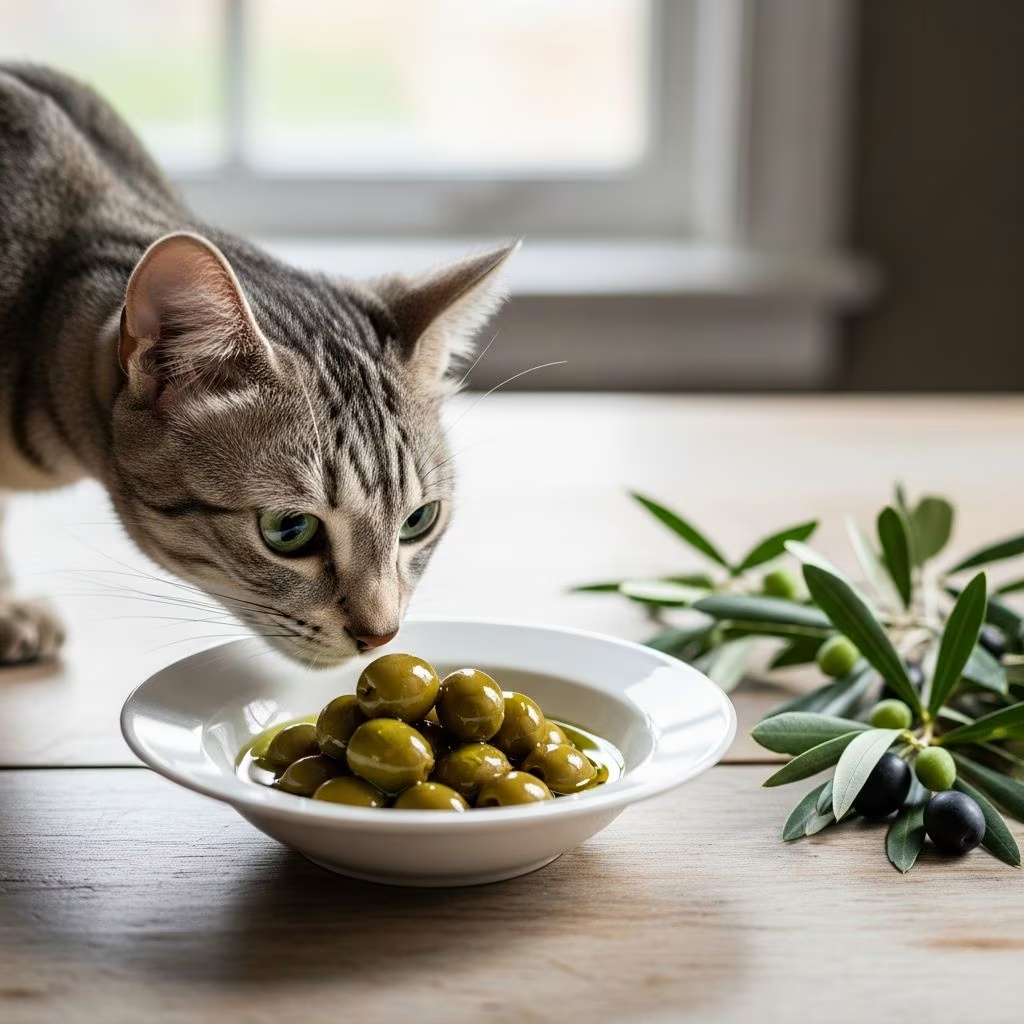
Cats can occasionally nibble on plain olives or a small amount of olive oil without immediate toxicity, but these should never become dietary staples due to limited nutritional benefits and several health risks for felines.
The Fascinating Attraction Cats Have to Olives
Many cat owners notice their pets showing unusual interest in olives, often rubbing against them or exhibiting playful behavior. This stems from natural compounds in olives called isoprenoids, which mimic nepetalactone—the active ingredient in catnip that triggers euphoric responses in about 70-80% of cats. While not all cats react, those that do may roll, purr excessively, or seem hyper-focused on the scent rather than the taste itself.
This reaction is harmless and short-lived, typically lasting 5-15 minutes, similar to catnip effects. However, it underscores why olives appeal to cats despite offering no essential taurine or protein they require as obligate carnivores.
Nutritional Breakdown: What Do Olives Offer Cats?
Olives provide minimal value in a cat’s diet. A single plain olive contains roughly 5-10 calories, mostly from fats, with trace amounts of vitamins E and A, and antioxidants like oleuropein. Cats derive little from these since their biology prioritizes animal-based proteins and fats over plant sources.
| Nutrient | Amount per Olive (approx.) | Benefit for Cats |
|---|---|---|
| Fat | 0.8g | Minimal coat support; excess risks obesity |
| Sodium (brined) | 100-200mg | Potential for toxicity if overconsumed |
| Vitamin E | 0.5mg | Antioxidant; not cat-essential |
| Fiber | 0.3g | May aid mild digestion |
Black olives tend to have slightly higher oil content and less bitterness, while green ones are firmer. Neither type ranks high for feline nutrition compared to commercial cat food formulated by bodies like the AAFCO.
Key Dangers of Olives for Feline Friends
While non-toxic, olives pose multiple hazards. Pits are the primary concern: hard and sharp-edged, they can cause choking, dental fractures, or intestinal blockages requiring surgical intervention. Even if swallowed whole, they may lead to perforation.
- Sodium Overload: Brined olives pack high salt levels, risking thirst, dehydration, vomiting, tremors, seizures, or long-term kidney/heart strain.
- High Fat Content: Leads to diarrhea, pancreatitis flare-ups, or weight gain in sedentary cats.
- Marinated Varieties: Avoid those with garlic, onions, herbs, or spices—toxic to cats per ASPCA guidelines.
- Stuffed Olives: Fillings like pimentos, cheeses, or nuts introduce allergens or choking risks.
Symptoms of issues include lethargy, refusal to eat, abdominal pain, or bloody stools—prompt vet visits are essential.
Olive Oil: A Better Alternative or Hidden Peril?
Pure olive oil lacks pits and sodium, making it safer than whole olives, but moderation remains critical. Extra virgin varieties offer monounsaturated fats, omega-3s, and polyphenols that may support skin health, reduce inflammation, and lubricate the digestive tract for hairball passage.
Potential upsides include:
- Shiny coat and reduced dandruff from fatty acids.
- Mild laxative effect for constipation.
- Antioxidant boost for immune function in seniors.
However, excess (over 1/4 tsp daily for average cats) triggers loose stools, vomiting, or hepatic lipidosis in overweight felines. Indoor cats, burning fewer calories, face amplified obesity risks.
Safe Feeding Guidelines for Olives and Oil
To minimize dangers:
- Preparation: Select plain, low-sodium olives; pit and slice into tiny pieces (pea-sized for small cats).
- Frequency: Limit to 1/4-1/2 olive, 1-2 times weekly max.
- Oil Dosage: Start with 1/8 tsp extra virgin olive oil mixed into wet food, 2-3 times weekly; observe stool changes.
- Age Considerations: Kittens and seniors tolerate less due to immature/diminished digestion.
- Monitoring: Introduce gradually; discontinue if diarrhea or disinterest occurs.
Always prioritize vet-formulated diets. Treats should not exceed 10% of daily intake per NRC nutritional standards.
Comparing Olive Types: Green vs. Black for Cats
| Aspect | Green Olives | Black Olives |
|---|---|---|
| Texture | Firmer, crunchier | Softer, oilier |
| Sodium (typical) | Higher in brine | Slightly lower |
| Appeal to Cats | Strong scent draw | Less bitter taste |
| Risk Level | Choking from firmness | Calorie-dense fat |
Both require pitting; neither is preferable routinely.
When to Consult a Veterinarian
Seek professional advice if your cat ingests multiple olives/pits, shows distress post-consumption, or has pre-existing conditions like kidney disease or obesity. Vets may recommend bloodwork or ultrasounds for blockages. For oil use in therapeutic contexts (e.g., chronic constipation), personalized dosing trumps general guidelines.
Healthier Treat Alternatives for Cats
- Commercial freeze-dried meat treats (high protein).
- Steamed chicken or fish in tiny portions.
- Catnip or silver vine for stimulation without calories.
- Vegetable oils like fish oil (vet-approved for omegas).
These align better with carnivorous needs, avoiding plant-based pitfalls.
Frequently Asked Questions
Why are some cats obsessed with olives?
Isoprenoids in olives chemically resemble catnip’s nepetalactone, eliciting bliss-like behaviors focused on aroma.
Can kittens safely have olives or oil?
No—growing digestive systems handle fats poorly; stick to kitten formulas until 1 year old.
Is olive oil better than other oils for cats?
Extra virgin olive oil edges vegetable oils in antioxidants but fish oil provides superior EPA/DHA for joints and skin.
What happens if my cat swallows an olive pit?
Monitor for vomiting, constipation, or pain; contact vet immediately for potential obstruction.
Are marinated olives okay occasionally?
Rarely, if rinsed thoroughly—but risks from additives outweigh benefits.
Long-Term Dietary Wisdom for Cat Owners
Incorporating human foods like olives or oil sporadically can enrich bonding moments, but feline health thrives on consistency. Balance occasional indulgences with balanced nutrition, hydration encouragement (fountains aid intake), and annual check-ups. Tracking weight and stool quality helps spot issues early. By understanding these nuances, owners foster happier, healthier lives for their cats.
References
- Can Cats Eat Olives? — Gionino. 2023. https://gionino.com/blogs/fondo-gionino/can-cats-eat-olives
- Can dogs or cats eat olives? — ManyPets. 2024. https://manypets.com/us/pet-food-safety/can-my-pet-eat-olives/
- Can Cats Have Olive Oil? — Fully Healthy. 2023. https://fullyhealthy.com/blogs/news/can-cats-have-olive-oil
- Should Cats Eat Olive Oil? — Olive Oil Professor. 2024. https://oliveoilprofessor.com/blog/should-cats-eat-olive-oil
- Is Olive Oil Safe for Cats? — Wholesome Pet Food. 2025. https://wholesomespetfood.com/is-olive-oil-safe-for-cats/



