

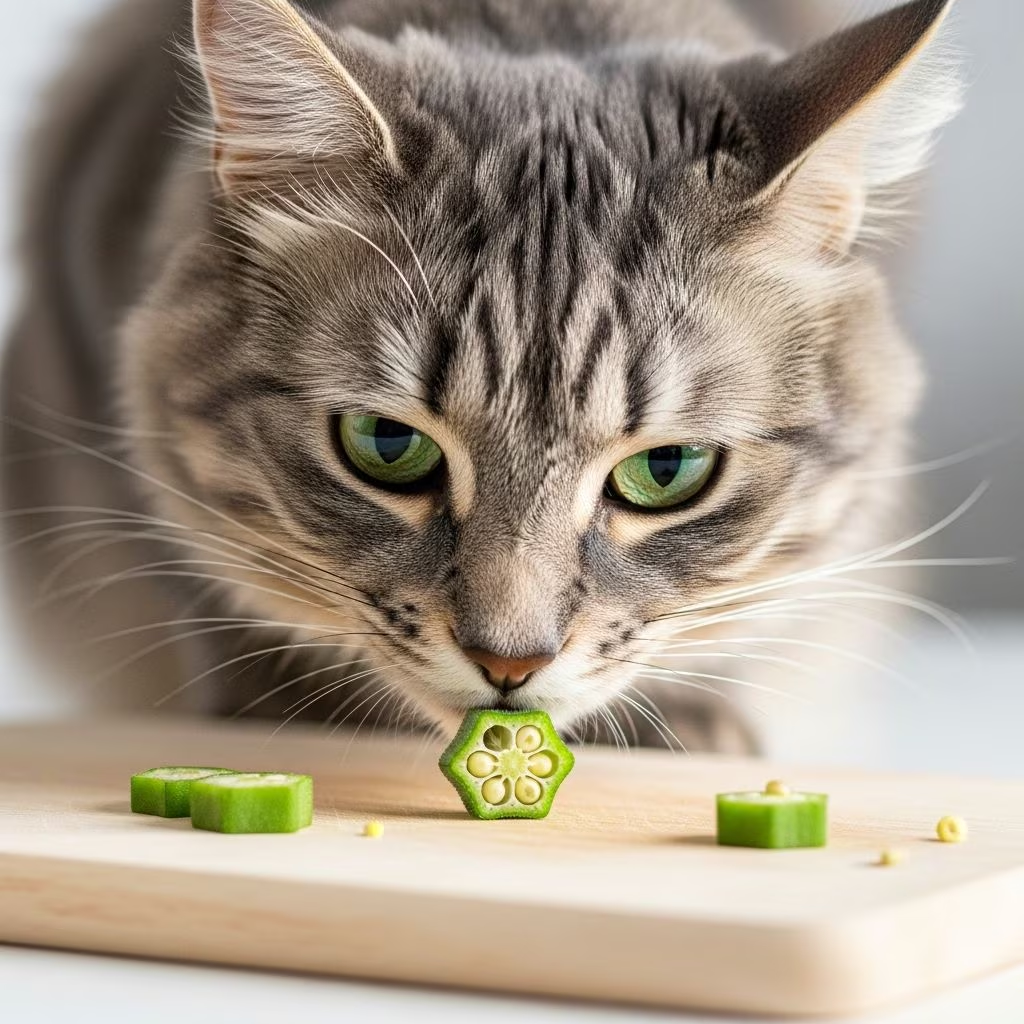
Can Cats Eat Okra? A Complete Nutritional Guide
As a cat owner, you may wonder whether it’s safe to share your favorite vegetables with your feline companion. Okra is a nutritious vegetable enjoyed by many humans, but can cats eat it? The simple answer is yes—cats can eat okra in small amounts. However, understanding the nuances of feline nutrition and how cats process plant-based foods is essential before introducing okra or any vegetable into your cat’s diet.
Is Okra Safe for Cats?
Okra is not toxic to cats, which is the first and most important consideration. This means that if your cat accidentally ingests a small piece of okra, it is unlikely to cause poisoning or immediate harm. However, non-toxic does not necessarily mean beneficial or recommended as a regular dietary staple. Cats have evolved as obligate carnivores, meaning their digestive systems are primarily designed to process and extract nutrients from animal-based proteins and fats rather than plant material.
The distinction between non-toxic and nutritionally appropriate is crucial for responsible pet ownership. While okra won’t poison your cat, it may not provide the same nutritional value it offers to humans, and feeding large quantities could lead to digestive complications. When offering okra to your cat, moderation is paramount, and preparation method matters significantly for their safety and comfort.
Nutritional Content of Okra
Okra is a nutrient-dense vegetable that contains several vitamins and minerals beneficial to human health. Understanding what okra provides nutritionally helps clarify why it may offer minimal benefits to cats:
- Vitamin C: Acts as an antioxidant and supports immune function
- Vitamin K: Essential for blood clotting and bone health
- Vitamin A: Supports vision and skin health
- B Complex Vitamins: Including B1, B2, B3, and folate, which support energy metabolism
- Fiber: Aids digestive health and can help prevent constipation
- Minerals: Including magnesium, potassium, calcium, iron, phosphorus, and zinc
- Antioxidants: Help reduce inflammation and promote cellular repair
While these nutrients are undeniably beneficial for human nutrition, cats process plant-based nutrients differently than humans do. Cats have fewer digestive enzymes specifically designed to break down plant fiber, meaning they cannot efficiently extract or utilize many of the vitamins and minerals found in vegetables. Despite okra’s nutritional profile, cats should continue receiving most of their nutrients through high-quality, meat-based cat food formulated to meet feline nutritional requirements.
Potential Health Benefits of Okra for Cats
Although cats don’t require vegetables as part of their diet, okra does offer some supplementary health benefits when served appropriately:
Digestive Support
The dietary fiber in okra may support healthy digestion and help prevent constipation in small doses. However, too much fiber can have the opposite effect, causing digestive upset. The key is extreme moderation—a tiny piece of okra occasionally, not as a regular dietary addition.
Immune System Support
The vitamin C and antioxidants present in okra can support your cat’s immune system and promote cell health. These compounds help protect cells from oxidative stress and may benefit aging cats by reducing inflammation and promoting cellular repair.
Potential Blood Sugar Management
Some research suggests okra may help regulate blood sugar levels and support cholesterol management, which could be particularly relevant for overweight cats or those with metabolic concerns. However, this benefit alone does not justify regular okra consumption and should not replace veterinary-recommended dietary management for cats with specific health conditions.
Potential Risks and Concerns
While okra is generally safe, several important risks warrant consideration before introducing it to your cat’s diet:
Digestive Upset
The most common concern with okra consumption in cats is digestive discomfort. Okra contains substantial fiber content, and cats lack the enzymes necessary to efficiently break down plant fibers. Large quantities of okra can lead to diarrhea, vomiting, gas, or general gastrointestinal discomfort. Cats have sensitive digestive systems adapted for meat-based diets, so introducing any new food requires careful observation.
Solanine Content
Okra contains solanine, a naturally occurring compound found in various plants that can cause digestive issues if consumed in large quantities. However, the level of solanine in okra is considered safe for cats when consumed in normal, moderate portions. Research indicates that like humans, most animals absorb solanine poorly, and the toxin is rapidly excreted through fecal matter. To cause serious problems, a cat would need to consume okra far beyond typical serving sizes.
Choking Hazard
Raw okra has a tough, slippery texture that could pose a choking risk, particularly for smaller cats or those with dental issues. The fibrous structure of raw okra makes it less suitable than cooked okra for feline consumption. Always cook okra thoroughly and cut it into small, manageable pieces before offering it to your cat.
Harmful Additives
Never serve okra prepared with seasonings, butter, oil, salt, or other additives. Ingredients like garlic and onion are toxic to cats and can cause serious health complications. Pickled okra is particularly dangerous due to its high salt content and the presence of garlic. Always serve only plain, cooked okra with absolutely no additions.
How to Safely Prepare Okra for Cats
If you decide to offer okra to your cat, following proper preparation guidelines is essential:
Cooking Methods
Cook okra thoroughly by steaming or boiling without any seasonings, oils, butter, or salt. Cooking makes okra easier for cats to digest and eliminates the choking hazard associated with raw okra. Allow the cooked okra to cool completely before serving.
Portion Control
Serve only tiny portions of okra to your cat. The maximum amount recommended is approximately 1/4 cup of okra at one time, though it’s best to offer much smaller amounts as an occasional treat. A single okra pod or even less is an appropriate serving for most cats. This vegetable should never comprise more than 5-10% of your cat’s daily caloric intake.
Initial Introduction
Start with an extremely small piece to test your cat’s tolerance. Some cats may have individual sensitivities to okra, and observing their response helps determine whether they can tolerate it without adverse effects. Monitor your cat for 24 hours after the first introduction for any signs of digestive upset.
Ongoing Monitoring
Even if your cat tolerates okra well, it should remain an occasional treat, not a regular dietary addition. Offer okra no more than once or twice per month. Watch for any signs of digestive distress including vomiting, diarrhea, constipation, or behavioral changes. Contact your veterinarian if your cat shows any concerning symptoms after consuming okra.
Okra Preparation Comparison Table
| Okra Preparation | Safety Level | Digestibility | Recommended |
|---|---|---|---|
| Plain Cooked (Steamed/Boiled) | Safe | Easier | Yes |
| Raw Okra | Caution | Harder | No |
| Pickled Okra | Unsafe | Not Suitable | No |
| Okra with Seasonings | Unsafe | Not Suitable | No |
| Fried Okra | Unsafe | Not Suitable | No |
Understanding Your Cat’s Nutritional Needs
The most important consideration when deciding whether to feed okra to your cat is understanding their fundamental nutritional requirements. Cats are obligate carnivores, meaning their bodies require nutrients found primarily in animal tissue. A balanced diet rich in high-quality protein and appropriately low in carbohydrates is key to feline health.
High-quality commercial cat food formulated to meet nutritional standards set by organizations like AAFCO (Association of American Feed Control Officials) ensures your cat receives all necessary nutrients for optimal health. Vegetables like okra should never replace or significantly supplement this meat-based diet. They can only serve as occasional treats, similar to how humans might enjoy a piece of candy—pleasant but not nutritionally essential.
If your cat shows interest in vegetables, it may simply reflect curiosity rather than genuine nutritional need. Some cats enjoy exploring different textures and flavors, and offering a small amount of cat-safe vegetables occasionally provides mental enrichment without compromising their diet.
Frequently Asked Questions
Q: Can cats eat raw okra?
A: Raw okra is not recommended for cats. It is harder to digest, may cause choking hazards due to its tough and slippery texture, and could cause stomach upset. Cooked okra is safer and more digestible.
Q: How much okra can I give my cat?
A: Offer only a small piece of cooked okra occasionally as a treat. The maximum recommended amount is about 1/4 cup, though smaller portions are preferable. Okra should not be given routinely and only in very small amounts to avoid digestive problems.
Q: Is okra toxic to cats?
A: No, okra is not toxic to cats. However, while not toxic, it’s not an ideal food for felines. The solanine content is safe at normal serving sizes, as animals absorb solanine poorly and excrete it rapidly.
Q: What should I avoid when serving okra to cats?
A: Never serve okra with seasonings, salt, butter, oil, garlic, or onions. Avoid pickled okra entirely due to high salt content and garlic presence. Always serve plain, cooked okra only.
Q: Can okra help my cat’s digestion?
A: While okra contains fiber that may aid digestion in small doses, cats cannot efficiently process plant fiber. Too much okra actually causes digestive upset. If your cat has digestive issues, consult your veterinarian rather than relying on okra as a solution.
Q: What signs indicate my cat had an adverse reaction to okra?
A: Monitor for vomiting, diarrhea, constipation, gas, or unusual behavior after okra consumption. If your cat shows signs of digestive distress, contact your veterinarian, especially if symptoms persist beyond a few hours.
Conclusion
Okra is not dangerous for cats and can be offered in very small amounts as an occasional treat. However, it offers minimal nutritional benefit and is not necessary for optimal feline health. Your cat’s primary nutrition should come from high-quality, meat-based commercial cat food formulated to meet their specific dietary needs. If you choose to offer okra, remember to cook it thoroughly, serve tiny portions, avoid all seasonings and additives, and monitor your cat closely for any adverse reactions. When in doubt about introducing new foods to your cat’s diet, consulting with your veterinarian provides personalized guidance based on your individual cat’s health status and nutritional requirements.
References
- Can Cats Eat Okra? Safety & Nutrition Guide — Zoorithm. 2024. https://www.zoorithm.com/cats/can-cat-eat-okra
- Can Cats Eat Okra? Is It Safe for Cats? — DialAVet. 2024. https://www.dialavet.com/blog/can-cats-eat-okra
- Can Cats Eat Okra? A Complete Guide to Safety and Benefits — PetsCare. 2024. https://www.petscare.com/news/post/can-cats-eat-okra-guide
- Can Cats Eat Okra? What You Need to Know — Hepper. 2024. https://articles.hepper.com/can-cats-eat-okra/
- Safe and Unsafe Vegetables For Dogs & Cats — Preventive Vet. 2024. https://www.preventivevet.com/pets/safe-vegetables-for-dogs-and-cats



