

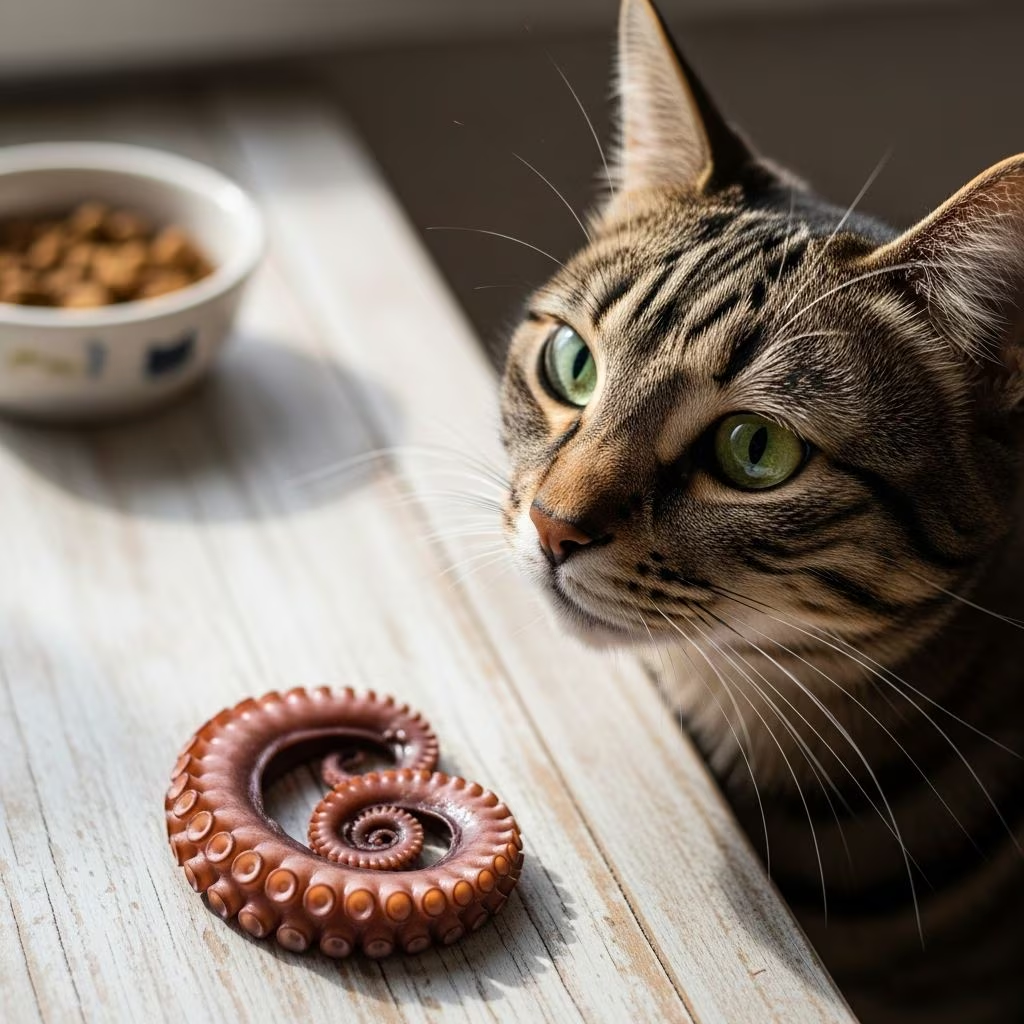
Octopus serves as a delicacy for humans worldwide, but cat owners often wonder if it’s safe to share with their feline companions. Cats are obligate carnivores drawn to seafood, yet not all ocean treats suit their digestive systems. Octopus is safe for cats when fresh, thoroughly cooked, and offered in small amounts as an occasional treat. This article explores its nutritional profile, potential benefits, risks, preparation methods, and FAQs to guide responsible feeding.
Quick Answer: Can Cats Eat Octopus?
Yes, cats can eat octopus, but only as a rare treat in moderation. Feed plain, cooked octopus from high-quality sources to avoid health issues. Raw or seasoned versions pose significant dangers like bacterial infections or toxicity.
Nutritional Breakdown of Octopus for Cats
Octopus provides a nutrient-dense profile beneficial in small doses for cats. A 155g serving of raw octopus (cooked values similar) delivers essential macros and micros supporting feline health.
| Nutrient | Amount per 155g Serving |
|---|---|
| Calories | 93 kcal |
| Protein | 17g |
| Fat | 1g |
| Carbohydrates | 2g |
| Fiber | 0g |
| Sugar | 0g |
Key micronutrients include iron for blood health, omega-3 fatty acids for skin and coat, selenium and copper for immunity, vitamin B12 for energy metabolism, potassium for heart function, magnesium for muscle health, and calcium for bones. These support growth, tissue repair, and overall vitality without dominating a cat’s diet, which should primarily come from balanced commercial or vet-approved foods.
Health Benefits of Feeding Octopus to Cats
While not a staple, octopus offers targeted benefits as a protein-rich treat.
- High-Quality Protein: At 17g per serving, it fuels muscle maintenance, growth, and energy needs essential for obligate carnivores.
- Omega-3 Fatty Acids: Promote glossy coats, reduce inflammation, and support joint health.
- Vital Minerals and Vitamins: Iron prevents anemia, B12 boosts nerve function, and selenium acts as an antioxidant.
- Low Fat and Calories: Ideal for weight management compared to fattier meats, though cholesterol warrants moderation.
These perks enhance a varied diet but cannot replace complete nutrition. Octopus mimics natural prey nutrients, appealing to cats’ instincts without over-reliance.
Risks and Dangers of Cats Eating Octopus
Despite benefits, improper handling amplifies risks, making caution essential.
Raw Octopus Hazards
Raw octopus harbors Vibrio bacteria causing vibriosis—a severe food poisoning leading to vomiting, diarrhea, or skin infections in cats. Salmonella and E. coli are also common, risking lethal outcomes without prompt veterinary care. Thiaminase enzyme in some raw seafood destroys thiamine (vitamin B1), potentially causing neurological issues like seizures. Always cook thoroughly to eliminate pathogens.
Heavy Metal Contamination
Octopuses bioaccumulate heavy metals like cadmium (highest in heads), mercury, and others from prey. Chronic exposure risks kidney damage or toxicity; limit intake to minimize buildup. Opt for smaller, younger specimens from clean waters.
Gastrointestinal Upset and Allergies
New foods trigger vomiting, diarrhea, or lethargy in sensitive cats. Texture of suckers or undercooked pieces may cause choking or blockages. Seafood allergies manifest as itching, swelling, or breathing issues—introduce gradually and monitor.
Cholesterol and Overfeeding
High cholesterol suits occasional treats but contributes to obesity or heart strain if frequent.
How to Safely Prepare Octopus for Cats
Proper prep transforms octopus into a safe snack. Follow these vet-recommended steps.
- Cook Thoroughly: Boil, steam, bake, or grill to kill bacteria. Avoid frying to prevent excess fat.
- Plain Only: No salt, oils, butter, garlic, onions, or spices—these are toxic or obesity-inducing.
- Remove Hazards: Cut off beak, suckers if sticky, heads (high cadmium), and any inks or innards to prevent choking or irritation.
- Small Portions: Start with pea-sized pieces; limit to 10% of calories weekly as treats.
- Quality Source: Choose fresh, ethically sourced, organic octopus from reputable suppliers to reduce contaminants.
Store cooked portions refrigerated up to 2 days or freeze for longer. Thaw fully before serving.
How Much Octopus Can Cats Eat?
Moderation is key: 1-2 small pieces (5-10g) weekly max, depending on cat size. Puppies, seniors, or health-compromised cats need less or none. It supplements, not replaces, AAFCO-approved kibble or wet food ensuring taurine and other essentials. Overfeeding risks nutritional imbalance or metal accumulation.
Can Kittens Eat Octopus?
Avoid octopus for kittens under 1 year. Developing digestive systems handle solids poorly, risking upsets or nutrient gaps. Stick to kitten formulas until adulthood.
Conclusion: Is Octopus Good for Cats?
Octopus enriches feline diets sparingly with protein and nutrients but demands meticulous prep to sidestep risks. Prioritize balanced nutrition; consult vets for personalized advice, especially with allergies or conditions. Responsible sharing keeps treats enjoyable and safe.
Frequently Asked Questions
Is raw octopus safe for cats?
No, raw octopus risks Vibrio, Salmonella, and thiaminase toxicity. Always cook fully.
Can octopus cause allergies in cats?
Yes, watch for itching, swelling, or GI issues when introducing seafood.
How often can I feed my cat octopus?
Occasionally, as a tiny treat 1-2 times monthly max.
Is cooked octopus better than raw for cats?
Absolutely—cooking eliminates bacteria and enzymes.
What if my cat ate seasoned octopus?
Monitor for toxicity (e.g., garlic); seek vet care if vomiting or lethargy occurs.
References
- Can Cats Eat Octopus? Vet-Verified Facts & Info — Hepper. 2023. https://articles.hepper.com/can-cats-eat-octopus/
- Can cats eat fish, seafood and shellfish? — Bella+Duke. 2023. https://www.bellaandduke.com/cats/expert-advice/cat-nutrition/can-cats-eat-raw-fish/
- Can Cats Eat Octopus? Vet-Verified Facts — Huston Veterinary Clinic. 2023. https://hustonveterinary.com/can-cats-eat-octopus/
- Can Cats Eat Octopus? Vet-Approved Nutritional Facts — Catster. 2023. https://www.catster.com/nutrition/can-cats-eat-octopus/
- Cats and Seafood: Can Cats Eat Tuna, Salmon, or Sardines? — Petcube. 2023. https://petcube.com/blog/can-cats-eat-fish/



