

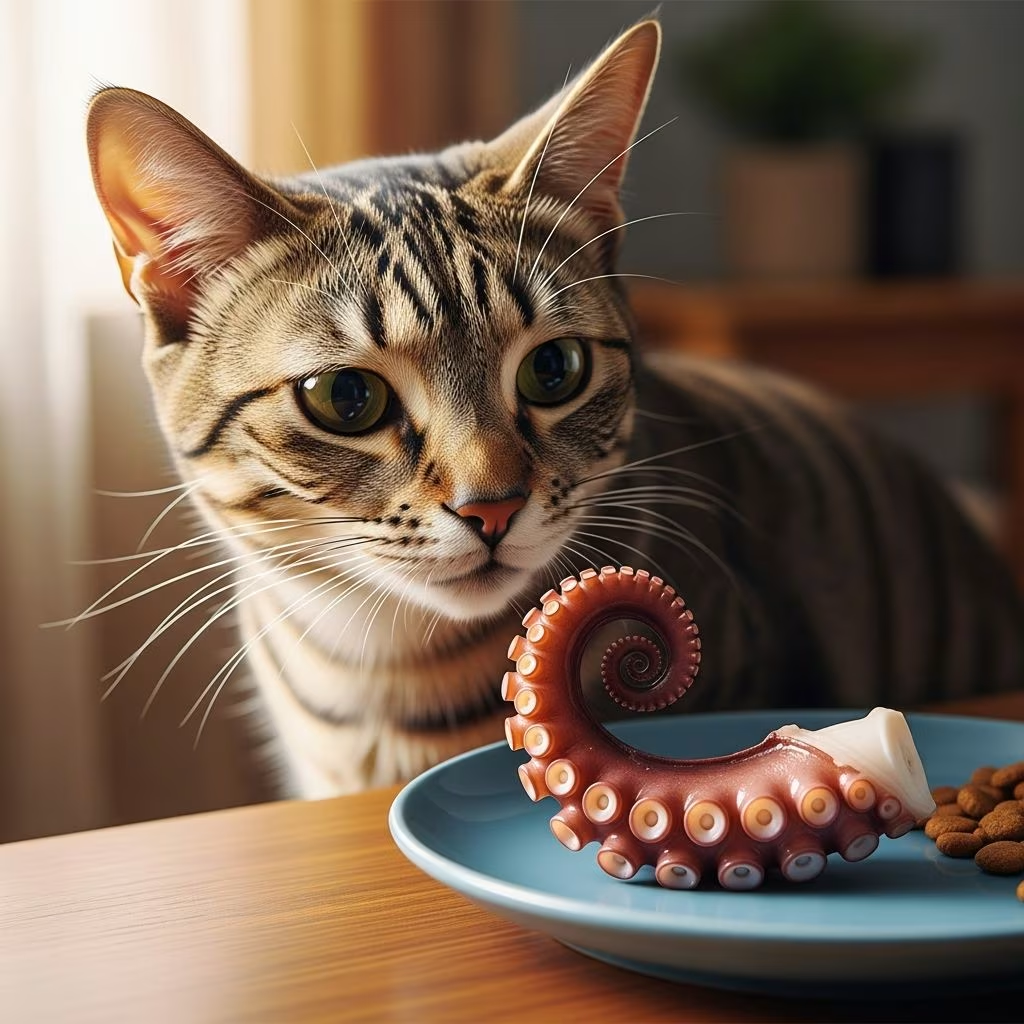
Can Cats Eat Octopus? Vet-Approved Nutritional Facts
Octopus is considered a delicacy around the world, and you might find yourself wondering if it’s okay to give your cat a piece. After all, we associate cats with seafood, so it’s natural to question whether this particular seafood is safe for them. The good news is that octopus is indeed safe for cats to eat, but only if it’s fresh, well-cooked, and in a small amount as an occasional treat.
Many cat owners enjoy sharing their meals with their feline companions, and seafood often seems like a natural choice. However, not all seafood preparations are appropriate for cats, and octopus requires specific handling and preparation to ensure it remains a healthy treat rather than a potential health hazard. Understanding the proper way to serve octopus to your cat will help you make informed decisions about their diet and ensure they can safely enjoy this nutritious food.
What Are the Health Benefits of Octopus for Cats?
Octopus is an excellent source of several vital nutrients that can contribute to your cat’s overall health and wellness. When prepared correctly and served in appropriate portions, octopus can provide your feline friend with a nutritional boost that complements their regular diet.
The primary nutritional benefits of octopus include:
- High-quality protein: Essential for muscle development and maintenance
- Copper: Supports bone health and immune function
- Iron: Crucial for healthy blood formation and oxygen transport
- Omega-3 fatty acids: Promotes heart health and supports a shiny coat
- Vitamin B12: Helps with energy levels and cognitive function
- Selenium: Acts as a powerful antioxidant
- Potassium: Important for proper muscle and nerve function
- Magnesium: Supports bone health and metabolic processes
- Calcium: Essential for strong bones and teeth
These dense nutritional benefits can offer your cat some incredible health boosts. The combination of essential amino acids, minerals, and vitamins found in octopus makes it a nutrient-rich treat option. Many of the valuable nutrients will contribute to your cat’s general health and support specific bodily functions, from maintaining a healthy coat to supporting energy production throughout the day.
Nutritional Breakdown of Octopus
Understanding the exact nutritional composition of octopus can help you make informed decisions about portion sizes and frequency of serving. Here’s what a typical 155-gram serving of raw octopus contains:
| Nutrient | Amount |
|---|---|
| Calories | 93 kcal |
| Protein | 17g |
| Fat | 1g |
| Carbohydrates | 2g |
| Fiber | 0g |
| Sugar | 0g |
The high protein content combined with low fat and carbohydrate levels makes octopus an excellent lean protein option for cats. The minimal carbohydrate content is particularly important since cats are obligate carnivores with limited ability to process plant-based nutrients and carbohydrates.
Safety Concerns: What You Need to Know Before Feeding Octopus
While octopus can be a healthy treat, there are several important safety considerations that every cat owner should understand before introducing it to their pet’s diet. Proper preparation and awareness of potential risks will help you serve octopus safely.
Raw Octopus Risks
One of the most significant dangers associated with octopus is the risk posed by raw or undercooked preparations. Raw octopus carries several health hazards that make cooking essential:
- Vibrio bacteria: Many marine species, including octopus, contain vibrio bacteria, which can lead to vibriosis, a potentially lethal form of food poisoning or skin infection in cats
- Salmonella contamination: Raw seafood frequently carries salmonella, which causes severe gastrointestinal distress
- E. coli: Another common pathogen found in raw seafood that poses serious health risks
This should convince you of the importance of only giving cooked octopus to your cat. Any meat or seafood you feed your cat should be fully cooked to eliminate these harmful pathogens. Thorough cooking at proper temperatures ensures these bacteria are completely eliminated before your cat consumes the octopus.
Heavy Metal Accumulation
Another potential concern with feeding octopus to your cat is the presence of heavy metals. Ocean predators, including octopuses, consume so much prey with heavy metals that their bodies cannot excrete the minerals as fast as they consume them. While there may be a range of these metals found in an octopus, ranging from minimal to high, the highest risk is cadmium, which is found densely in octopus heads.
This concern is minimized when you feed octopus in small amounts as an occasional treat and avoid the head entirely. Moderation is key to preventing heavy metal accumulation from becoming a health issue for your cat.
Cholesterol Content
Octopus is high in certain saturated fats, particularly cholesterol. If overeaten, its high level of cholesterol can cause obesity and diabetes—both conditions that can severely affect the long-term health of your feline companion. This is why keeping octopus as an occasional treat rather than a regular dietary staple is essential.
Gastrointestinal Upset
Anytime you introduce a new food to your cat, there is always a potential for causing gastrointestinal upset such as vomiting or diarrhea. Some cats may have more sensitive digestive systems than others. If your cat shows signs of gastrointestinal upset and becomes lethargic, it is best to seek veterinary care immediately. Monitor your cat closely when first introducing octopus to their diet.
How to Properly Prepare Octopus for Your Cat
If you’ve decided to offer your cat octopus as an occasional treat, proper preparation is absolutely critical. Following these guidelines will ensure the octopus is safe and nutritious for your feline friend.
Cooking Methods
Cook the octopus thoroughly by boiling, steaming, or grilling it without any seasoning to ensure it’s easy for your cat to enjoy and completely safe. Avoid frying or using any oil or butter in the cooking process, as these can upset your cat’s digestive system. The goal is to serve plain, simply prepared octopus that focuses on the nutritional benefits rather than flavor enhancements designed for human palates.
Remove All Trimmings
Extra parts of seafood should be avoided entirely to reduce the risk of irritation or choking. This includes:
- Shells and bones
- Scales
- The hard beak (essential to remove)
- Suckers on the tentacles (which can become stuck in your cat’s throat)
Make sure you only give very small pieces of the tentacle meat itself, properly cleaned and deboned.
Avoid All Seasonings
Many of the things we add to our cooking are there to enhance flavor. However, many sources of flavors are not suitable for cats, especially onion and garlic, both of which are toxic to felines. Also, avoid adding oil or butter for cooking. Instead, focus on boiling, baking, or grilling seafood plain. Giving your cat too many treats designed for humans can lead to diabetes, stomach upset, and obesity, so avoid giving your cat too much “people” food.
Source Quality Matters
You should only purchase ethically and organically sourced octopus. If the octopus is cheap, it’s probably cheap for a reason and could potentially be high in heavy metals or past its prime. Investing in high-quality, fresh octopus ensures your cat receives the maximum nutritional benefits with minimal health risks.
Feeding Guidelines and Portion Control
Even though octopus is safe for cats when properly prepared, it should never become a regular part of their diet. Here are essential guidelines for safe feeding:
- Frequency: Octopus should be given in moderation as an occasional treat, not a regular part of their diet. A tiny piece from time to time is perfect for most cats
- Portion size: Small amounts only—think of it as a special treat, not a meal component
- Balanced diet: Most of your cat’s diet should be a balanced commercial cat food or a home-cooked diet developed with the supervision of a veterinary nutritionist
- Observation: Always watch for any signs of adverse reactions after introducing octopus
Remember that octopus does not provide a balanced diet on its own, so there is no benefit to feeding it regularly. It should complement a nutritionally complete diet, not replace or significantly supplement your cat’s primary food sources.
Special Considerations for Kittens
It’s better to avoid giving octopus to kittens entirely. Their digestive systems are still developing, and they require a specially formulated diet designed specifically for their unique nutritional needs. Kittens are more vulnerable to gastrointestinal upset and may have difficulty digesting unfamiliar foods. Wait until your kitten is fully grown before introducing any new treat foods like octopus.
Potential Allergies and Sensitivities
Some cats may have allergies or sensitivities to seafood, even when it’s properly prepared. Signs of potential allergic reactions include itching, skin irritation, vomiting, or diarrhea. When introducing octopus for the first time, do so in very small amounts and monitor your cat closely for any adverse reactions. If your cat shows any signs of distress, discontinue feeding octopus immediately and consult your veterinarian.
Frequently Asked Questions
Q: Can kittens eat octopus?
A: It’s best to avoid giving octopus to kittens since their digestive systems are still developing and they require a specially formulated diet designed for their growth and development needs.
Q: How often can I give my cat octopus?
A: Octopus should be given in moderation as an occasional treat, not a regular part of their diet. A small piece from time to time is sufficient for most cats.
Q: What’s the best way to prepare octopus for my cat?
A: Cook the octopus thoroughly by boiling, steaming, or grilling it without any seasoning. Remove all hard parts including the beak and ensure pieces are small enough to prevent choking.
Q: Is raw octopus safe for cats?
A: No, raw octopus is not safe for cats. It can contain harmful bacteria like Vibrio, Salmonella, and E. coli that cause serious food poisoning. Always cook octopus thoroughly before serving.
Q: Can octopus be toxic to cats?
A: Octopus itself is not toxic, but improper preparation or excessive consumption can cause health issues due to high cholesterol content and potential heavy metal accumulation.
Q: Should I remove the octopus head before serving?
A: Yes, you should definitely remove the head, as it contains higher concentrations of cadmium and other heavy metals. Stick to serving only the tentacle meat.
Conclusion
Octopus can be a nutritious and enjoyable occasional treat for your cat when prepared properly and served in appropriate quantities. Its high protein content and beneficial nutrients like omega-3 fatty acids, vitamin B12, and various minerals make it an attractive option for supplementing your cat’s diet. However, the risks associated with improper preparation, heavy metal content, and high cholesterol levels mean that octopus should never become a regular dietary staple.
By following the guidelines outlined in this article—ensuring the octopus is fresh, thoroughly cooked, properly cleaned, served plain, and given in very small amounts—you can safely offer your feline friend this special treat. Always monitor your cat for any signs of adverse reactions and consult with your veterinarian if you have any concerns about introducing new foods to your cat’s diet. When handled correctly, octopus can be a delicious way to add variety and nutrition to your cat’s life.
References
- Can Cats Eat Octopus? Vet-Verified Facts & Info — Hepper. 2025. https://articles.hepper.com/can-cats-eat-octopus/
- Can Cats Eat Fish? — PetPost. 2025. https://www.petpost.com.au/blogs/cat/can-cats-eat-fish
- Can Cats Eat Octopus? Vet-Verified Facts — Hustonveterinary.com. 2025. https://hustonveterinary.com/can-cats-eat-octopus/
- Cats and Seafood: Can Cats Eat Tuna, Salmon, or Sardines? — Petcube. 2025. https://petcube.com/blog/can-cats-eat-fish/



