

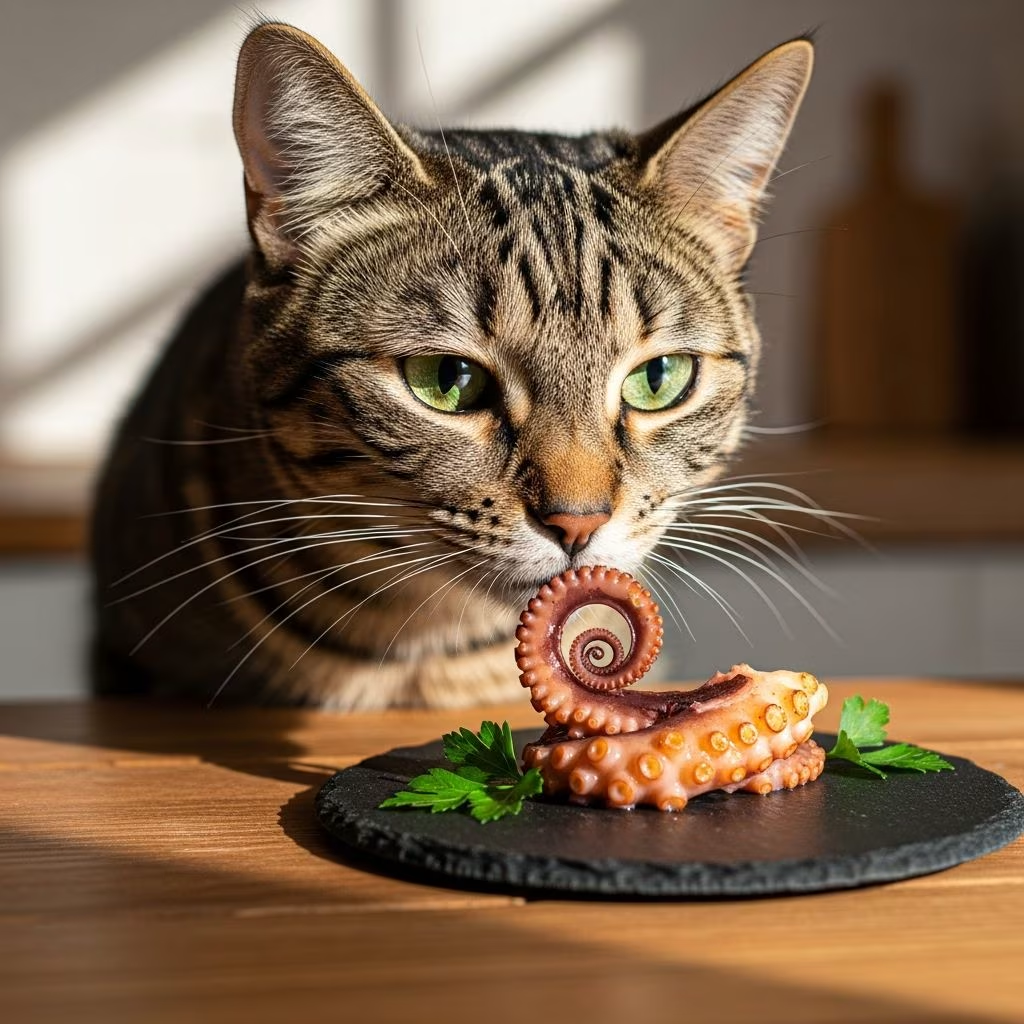
Octopus serves as a delicacy in many cultures, and cat owners often wonder if sharing this seafood with their feline companions is safe. **Cats can eat octopus safely when it is fresh, thoroughly cooked, and offered in small amounts as an occasional treat.** This approach minimizes risks while allowing cats to enjoy its nutritional perks. Improper preparation, however, can lead to serious health issues, making careful handling essential.
Quick Answer: Can Cats Eat Octopus?
The straightforward answer is yes—**cats can eat octopus**, but with strict conditions. It must be fully cooked to eliminate bacteria, served plain without seasonings, and limited to tiny portions occasionally. Cats are obligate carnivores that thrive on meat-based proteins, and octopus fits as a protein-rich supplement, not a staple. Always prioritize high-quality, ethically sourced octopus to avoid contaminants.
Nutritional Breakdown of Octopus for Cats
Octopus provides a nutrient-dense profile beneficial for cats when fed appropriately. A typical 155g serving of raw octopus (cooked values are similar post-preparation) breaks down as follows:
| Nutrient | Amount per 155g |
|---|---|
| Calories | 93 kcal |
| Protein | 17g |
| Fat | 1g |
| Carbohydrates | 2g |
| Fiber | 0g |
| Sugar | 0g |
Key micronutrients include **iron, omega-3 fatty acids, selenium, copper, vitamin B12, potassium, magnesium, and calcium**. These support muscle repair, immune function, heart health, and coat shine. Protein aids growth and energy, while omega-3s reduce inflammation. However, octopus lacks taurine, essential for cats, so it cannot replace complete cat food.
5 Benefits of Octopus for Cats
- High-Quality Protein: With 17g per serving, octopus fuels muscle maintenance, tissue repair, and daily energy needs for active cats.
- Omega-3 Fatty Acids: These promote healthy skin, glossy fur, and joint mobility, potentially easing arthritis in older cats.
- Iron and Vitamin B12: Iron prevents anemia by supporting red blood cell production, while B12 boosts energy metabolism.
- Selenium and Antioxidants: Selenium enhances immunity and thyroid function, offering protective effects against oxidative stress.
- Low Fat Content: At just 1g fat, it’s ideal for weight management without excess calories, unlike fattier meats.
These benefits make octopus a worthwhile treat, but moderation ensures they outweigh risks.
Risks of Cats Eating Octopus
While nutritious, octopus poses hazards if not handled correctly. Key risks include bacterial contamination, heavy metals, and digestive issues.
Raw Octopus Dangers
**Never feed raw octopus to cats.** It harbors *Vibrio* bacteria, causing potentially fatal vibriosis, alongside *Salmonella* and *E. coli*. Raw seafood also contains thiaminase, an enzyme destroying thiamine (vitamin B1), leading to neurological disorders like seizures. Cooking neutralizes these threats.
Heavy Metals Accumulation
Octopuses bioaccumulate heavy metals like cadmium (concentrated in heads), mercury, and others from prey. Chronic exposure risks kidney damage and toxicity. Stick to small, infrequent servings from clean sources.
Gastrointestinal Upset and Allergies
New foods like octopus can trigger vomiting, diarrhea, or lethargy. Texture issues from suckers or undercooked pieces may cause choking or blockages. Monitor for allergies: itching, swelling, or distress warrant vet attention.
Cholesterol Concerns
Octopus contains saturated fats and cholesterol, which in excess could contribute to heart issues, though low overall fat mitigates this for occasional use.
How to Prepare Octopus for Cats: 5 Tips
Safe preparation is crucial. Follow these vet-recommended steps:
- Cook Thoroughly: Boil, steam, bake, or grill until fully cooked to kill pathogens. Avoid frying.
- Plain Only: No salt, oil, butter, garlic, onions, or spices—these are toxic or fattening.
- Remove Hazards: Cut off the hard beak, suckers, skin, and any tough parts to prevent choking.
- Small Portions: Offer pea-sized pieces as a treat (less than 10% of diet) once a week max.
- Fresh and Ethical: Source from reputable suppliers; avoid cheap or old octopus prone to contaminants.
Can Kittens Eat Octopus?
**No, avoid giving octopus to kittens.** Their immature digestive systems can’t handle rich seafood, risking severe upset. Stick to kitten-specific formulas until adulthood (around 1 year).
Conclusion
In summary, **octopus can delight your cat as a nutritious treat when prepared safely and sparingly**. Its protein, minerals, and omega-3s offer health boosts, but risks from bacteria, metals, and digestion demand caution. Consult your vet before introducing it, especially for cats with health conditions. Prioritize balanced commercial or vet-approved diets for optimal feline health.
Frequently Asked Questions
Is octopus safe for cats to eat?
Yes, cooked plain octopus in small amounts is safe as an occasional treat.
Can cats eat raw octopus?
No, raw octopus risks bacterial infections like Vibrio and thiamine deficiency.
How often can I feed my cat octopus?
Limit to tiny pieces once a week or less; it’s not a daily food.
Is octopus good for cats?
It provides protein, omega-3s, and minerals but isn’t nutritionally complete alone.
What if my cat eats seasoned octopus?
Watch for toxicity from garlic/onions or upset; contact a vet if symptoms appear.
References
- Can Cats Eat Octopus? Vet-Verified Facts & Info — Hepper. 2024. https://articles.hepper.com/can-cats-eat-octopus/
- Can cats eat fish, seafood and shellfish? — Bella+Duke. 2023. https://www.bellaandduke.com/cats/expert-advice/cat-nutrition/can-cats-eat-raw-fish/
- Can Cats Eat Octopus? Vet-Verified Facts — Huston Veterinary Clinic. 2024. https://hustonveterinary.com/can-cats-eat-octopus/
- Can Cats Eat Octopus? Vet-Approved Nutritional Facts — Catster. 2024. https://www.catster.com/nutrition/can-cats-eat-octopus/
- Cats and Seafood: Can Cats Eat Tuna, Salmon, or Sardines? — Petcube. 2023. https://petcube.com/blog/can-cats-eat-fish/



