

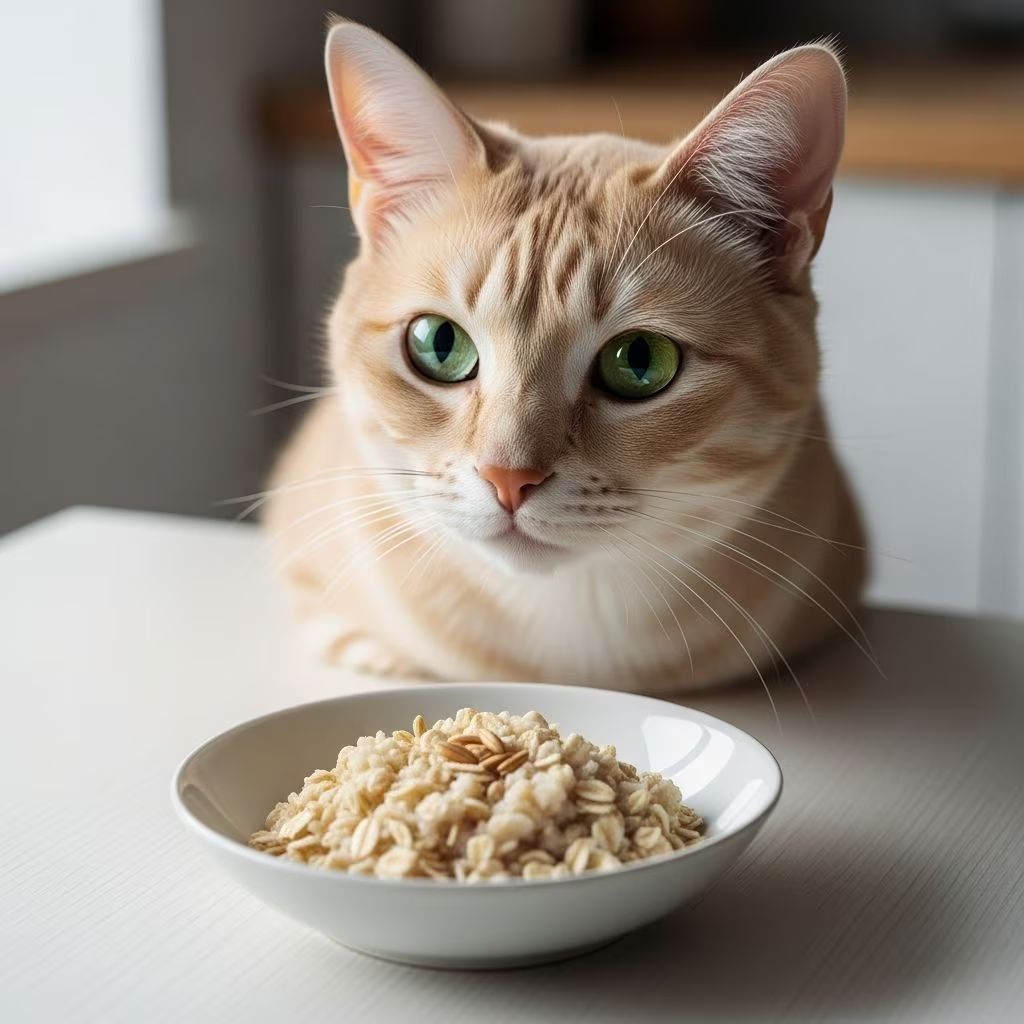
Cats are obligate carnivores, thriving primarily on meat-based diets rich in animal proteins. Oats, a popular human grain, are not a natural part of their diet but can be offered safely in moderation without immediate harm. Overfeeding, however, may lead to obesity, malnutrition, or digestive issues, so treat oats as a rare supplement rather than a staple.
Nutritional Breakdown of Oats
Oats provide a range of nutrients that can offer minor benefits to cats when fed sparingly. Understanding their composition helps cat owners make informed choices about incorporating them into a feline diet.
| Oats – Nutritional Breakdown (1 cup serving) |
|---|
| Calories: 607 |
| Protein: 26.4 g |
| Fat: 10.8 g |
| Carbohydrates: 103 g |
| Fiber: 16.5 g |
| Folate: 87.4 mcg |
| Additional vitamins and minerals: Thiamin, Vitamin B6, Calcium, Iron, Magnesium, Phosphorus, Potassium, Zinc, Copper, Manganese |
This breakdown shows oats are carbohydrate-heavy with moderate protein and high fiber, contrasting with a cat’s need for high protein and low carbs. The proteins are digestible but lack essential amino acids like taurine, vital for feline heart and eye health.
Benefits
Despite not being essential, oats offer targeted benefits for cats when used occasionally. Their nutrient profile supports specific health aspects without replacing core dietary needs.
- High Fiber Content: Soluble fiber in oats aids digestion, regulates bowel movements, and prevents constipation, particularly beneficial for older cats or those with digestive sensitivities.
- Energy from Carbohydrates: Slow-digesting carbs provide steady energy without sharp blood sugar spikes, suitable as an occasional boost alongside protein-rich meals.
- Vitamins and Minerals: Rich in B vitamins (thiamin, B6), manganese, phosphorus, magnesium, iron, and more, oats support energy metabolism, bone health, thyroid function, and cholesterol regulation.
- Antioxidants and Anti-Inflammatory Properties: Antioxidants reduce inflammation, promote immune health, and soothe skin or internal irritations. Beta-glucans may enhance immune response.
- Skin and Coat Support: Fats containing linoleic acid and amino acids contribute to healthy skin and shiny coats.
These perks make oats a supplementary treat, especially in commercial cat foods where they’re balanced with meats. For instance, fiber helps older cats with slower bowel movements, while moderated calories aid weight management plans.
Drawbacks
While safe in small amounts, oats pose risks if overfed, primarily due to their mismatch with feline nutritional requirements. Cats derive limited value from plant-based foods, and excess can disrupt health.
- Imbalanced Nutrition: High carbs and low animal-specific proteins mean oats fill the stomach without providing taurine or other essentials, risking malnutrition over time.
- Calorie Density: At 607 calories per cup, oats contribute to obesity, especially in sedentary cats, displacing nutrient-dense food.
- Digestive Upset: Too much fiber can overwhelm the gut, causing diarrhea, vomiting, or bloating. Grain-sensitive cats may experience allergies, skin irritation, or allergies.
- Not Suitable for All Cats: Avoid in diabetic, obese, or kitten diets due to carb impact on blood sugar. Raw oats are harder to digest than cooked.
- Additive Risks: Flavored oatmeal with sugar, salt, milk, raisins, or chocolate is toxic or indigestible for lactose-intolerant cats.
Oats lack the complete amino acid profile cats need, making them unsuitable as a standalone food. Veterinary sources emphasize moderation to prevent long-term issues like taurine deficiency.
Can Cats Eat Oats?
Yes, cats can eat oats safely in small, plain portions as an occasional treat. Plain cooked oatmeal (made with water) is easiest to digest, while raw oats are also non-toxic but less palatable. Introduce gradually, starting with 1/4 teaspoon mixed into wet food, monitoring for reactions like vomiting or lethargy.
- Oatmeal: Cook plain oats in water; serve cooled in tiny amounts (e.g., 1 tsp for adults). Avoid daily feeding.
- Oat Grass: A safe, non-dietary option cats chew for fiber and hairball control, grown from oat seeds.
- Oatmeal Bath: Colloidal oatmeal soothes itchy skin; grind oats into powder, mix with water for a rinse (vet-approved for allergies).
- Oat Tea: Brew plain oats for a mild anti-inflammatory rinse or digestive aid, diluted heavily.
Commercial cat foods often include oats for fiber, balanced by proteins—check labels for quality. Always prioritize meat-based kibble or wet food.
Can Cats Drink Oat Milk?
Oat milk is safer than dairy milk for lactose-intolerant cats, offering a non-dairy indulgence in very small amounts (e.g., 1-2 tsp occasionally). It’s plant-based, low in allergens, but high moisture content risks diarrhea if overfed. Choose unsweetened, plain varieties without additives like xylitol, which is toxic. It’s not nutritionally vital and should not replace water.
Frequently Asked Questions (FAQs)
Is oatmeal safe for cats?
Yes, plain cooked oatmeal is safe in small quantities as an occasional treat, providing fiber and nutrients without toxicity.
What kind of oatmeal can cats eat?
Cats can eat plain oatmeal cooked in water or raw oats. Avoid flavored varieties with milk, sugar, raisins, or chocolate.
Can cats eat oats every day?
No, daily oats are not recommended. As obligate carnivores, cats need meat-based diets; oats should be occasional to avoid imbalances.
Is cooked or raw oatmeal better for cats?
Cooked oatmeal is better—easier to digest and less likely to cause upset. Raw oats may be tough to chew.
Can oats cause digestive issues in cats?
Yes, excess oats or grain sensitivities can lead to vomiting, diarrhea, or constipation. Monitor portions and reactions.
Are oats good for cats with hairballs?
Oat grass or fiber-rich oats can help with hairballs by promoting digestion, but consult a vet first.
Can kittens eat oats?
Kittens should avoid oats; their developing systems need high-protein milk replacers or kitten food.
References
- Can Cats Eat Oatmeal? Safety & Benefits Guide — Zoorithm. 2023. https://www.zoorithm.com/cats/can-cat-eat-oatmeal
- Can Cats Eat Oats? Vet-Verified Facts — Huston Veterinary Clinic. 2024. https://hustonveterinary.com/can-cats-eat-oats/
- Can Cats Eat Oatmeal? — Cats.com. 2024. https://cats.com/can-cats-eat-oatmeal
- Can Cats Eat Oats? Vet-Verified Nutritional Facts & FAQ — Catster. 2025-01-14. https://www.catster.com/nutrition/can-cats-eat-oats/
- Can Cats Eat Oatmeal? A Guide to Safety — Purina US. 2024. https://www.purina.com/articles/cat/feeding/can-cats-eat/oatmeal
- Can Cats Have Oats? Understanding the Feline-Friendly Grain — WoPet. 2023. https://wopet.com/cats/can-cats-have-oats/



