

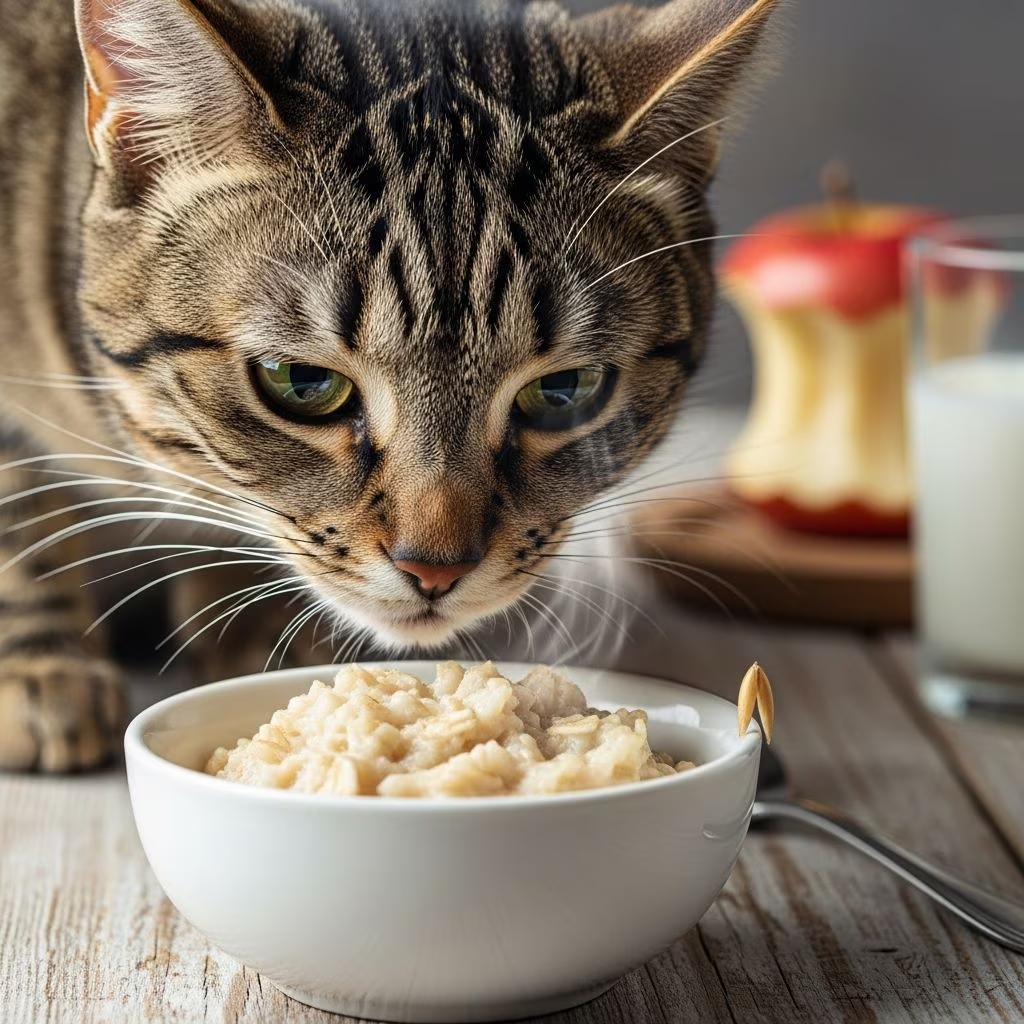
Oatmeal is a popular, nutritious breakfast staple for humans, packed with fiber and complex carbohydrates that provide sustained energy. But when it comes to our feline friends, the question arises: can cats eat oatmeal? As obligate carnivores, cats have specific dietary needs centered around high-protein, animal-based foods. While oatmeal isn’t toxic, it’s not a natural or essential part of their diet. This comprehensive guide explores the safety, nutritional value, potential benefits and risks of feeding oatmeal to cats, proper preparation methods, and expert insights to help you make informed decisions for your pet’s health.
Is Oatmeal Safe for Cats?
Yes, plain oatmeal is safe for cats to eat in small quantities. Unlike some human foods that pose immediate dangers, oats do not contain toxins harmful to felines. Both raw oats and cooked oatmeal can be offered occasionally, provided they are prepared correctly without harmful additives. Veterinary sources confirm that oatmeal lacks components that would make cats sick acutely, making it a low-risk treat when given sparingly.
Cats’ digestive systems are optimized for meat, not grains. However, their ability to process small amounts of carbohydrates means oatmeal won’t cause immediate harm. The key is moderation—oatmeal should never replace a cat’s primary meat-based diet, as excessive carbs can lead to weight gain and nutritional imbalances.
Nutritional Breakdown of Oatmeal for Cats
Oatmeal’s composition makes it more suitable than many grains for cats, but it’s still far from ideal. Here’s a closer look:
- Carbohydrates: Over 50% of oatmeal is carbs, which cats metabolize less efficiently than proteins and fats. Cooked oatmeal expands with water absorption, providing ‘filler’ calories without substantial nutrition.
- Protein: Oats offer more protein than rice or wheat (about 13-17g per 100g dry), including some amino acids beneficial for skin and coat health. However, they lack taurine, an essential amino acid cats must get from animal sources.
- Fats: Contains linoleic acid, supporting healthy skin and fur.
- Fiber: Soluble fiber aids digestion and can prevent constipation in small doses, though cats have no strict fiber requirements per AAFCO guidelines.
- Vitamins & Minerals: Small amounts of B vitamins, iron, antioxidants, and calcium, but cats derive these better from meat.
In summary, while oatmeal provides minor benefits, it doesn’t align with feline nutritional standards set by bodies like AAFCO and FEDIAF, which emphasize high protein (26-30% minimum for adults) and low carbs.
Potential Health Benefits of Oatmeal for Cats
Though not a superfood for cats, oatmeal offers some advantages when fed occasionally:
- Digestive Support: The fiber content can help with mild constipation or hairball issues by promoting gut motility.
- Skin and Coat Health: Linoleic acid and amino acids contribute to glossy fur and healthy skin.
- Weight Management Aid (in Moderation): Low glycemic index provides steady energy without spikes, potentially useful for overweight cats as a low-calorie filler.
- Antioxidants: Beta-glucans may offer minor immune support, though studies are human-focused.
These benefits are most pronounced in small servings (e.g., 1-2 teaspoons for an average cat). Research from the National Library of Medicine highlights oatmeal’s general nutritional profile, but feline-specific studies are limited, underscoring the need for meat-primary diets.
Is Oatmeal Bad for Cats? Potential Risks and Dangers
While safe, oatmeal isn’t risk-free. Overfeeding or improper preparation can lead to issues:
Digestive Upset
Excess fiber can overwhelm a cat’s short digestive tract, causing diarrhea, vomiting, or bloating. Raw oats are harder to digest than cooked.
Nutritional Imbalance
As a carb-heavy food (401 calories/100g dry), it displaces vital proteins, risking taurine deficiency, obesity, or diabetes.
Lactose Intolerance
Never cook oatmeal in milk—most adult cats lack lactase, leading to gas and diarrhea.
Toxic Additives
| Additive | Risk to Cats |
|---|---|
| Raisins (e.g., oatmeal raisin cookies) | Toxic; can cause kidney failure |
| Cinnamon/Apple | Irritates stomach; potential toxicity |
| Butter/Sugar | High fat/calories lead to pancreatitis, obesity |
| Chocolate | Highly toxic due to theobromine |
Oatmeal cookies are off-limits due to butter, sugar, and raisins.
Gluten Sensitivity
Some cats may react to gluten in oats with allergies or intolerance.
Daily Limits
Snacks like oats should not exceed 10% of daily calories. For a 10lb cat (250kcal/day), limit to ~1 tsp.
How to Safely Feed Oatmeal to Your Cat
If offering oatmeal:
- Cook plain rolled or steel-cut oats in water until soft.
- Cool completely to avoid burns.
- Start with 1/2 tsp; monitor for reactions.
- Mix with wet cat food or plain meats like chicken for palatability.
- Avoid instant/flavored varieties with additives.
Baby oatmeal (plain) is acceptable if milk-free. Always prioritize commercial cat food meeting AAFCO standards.
Alternatives: Better Treats for Cats
Opt for these vet-approved options over oatmeal:
- Freeze-dried chicken or fish treats.
- Cooked plain meats (turkey, salmon).
- Commercial dental chews with taurine.
- Small pieces of veggies like pumpkin for fiber.
Frequently Asked Questions (FAQs)
Is it okay to feed cats oatmeal regularly?
No, only as an occasional treat in tiny amounts (under 10% of diet) to avoid imbalances.
What kind of oatmeal can cats eat?
Plain, cooked in water—rolled oats, steel-cut, or baby oatmeal. No milk, sugar, or flavors.
Can cats eat oatmeal cookies or raw oats?
Avoid cookies due to toxic additives. Raw oats are safe but harder to digest; cook for better tolerance.
Will oatmeal help my cat’s constipation?
Small amounts may aid mild cases via fiber, but consult a vet for persistent issues.
Is oatmeal better than other grains for cats?
Yes, higher protein/fiber than rice/wheat, but still not ideal.
Final Thoughts
Oatmeal is safe for cats as a rare treat but offers limited benefits and potential risks if overfed. Stick to high-quality, meat-based cat food as the core diet, using oatmeal sparingly for variety. Always consult your veterinarian before dietary changes, especially for cats with health conditions. By prioritizing their carnivorous needs, you’ll ensure a long, healthy life for your feline companion.
References
- Can Cats Eat Oatmeal? — cats.com. 2023. https://cats.com/can-cats-eat-oatmeal
- Can Cats Eat Oatmeal? Vet-Reviewed Facts & Considerations — Catster. 2023. https://www.catster.com/nutrition/can-cats-eat-oatmeal/
- Oatmeal and Cats: Is It Safe for Feline Consumption? — Bailey’s CBD. 2023. https://baileyscbd.com/blogs/cat-nutrition/oatmeal-and-cats-is-it-safe-for-feline-consumption
- Can Cats Eat Oatmeal? — TrustedHousesitters. 2023. https://www.trustedhousesitters.com/blog/pets/can-cats-eat-oatmeal/
- Can Cats Have Plain Cooked Oatmeal? — Ask A Pet Vet (YouTube). 2023. https://www.youtube.com/watch?v=G22JXdTW9WQ



