

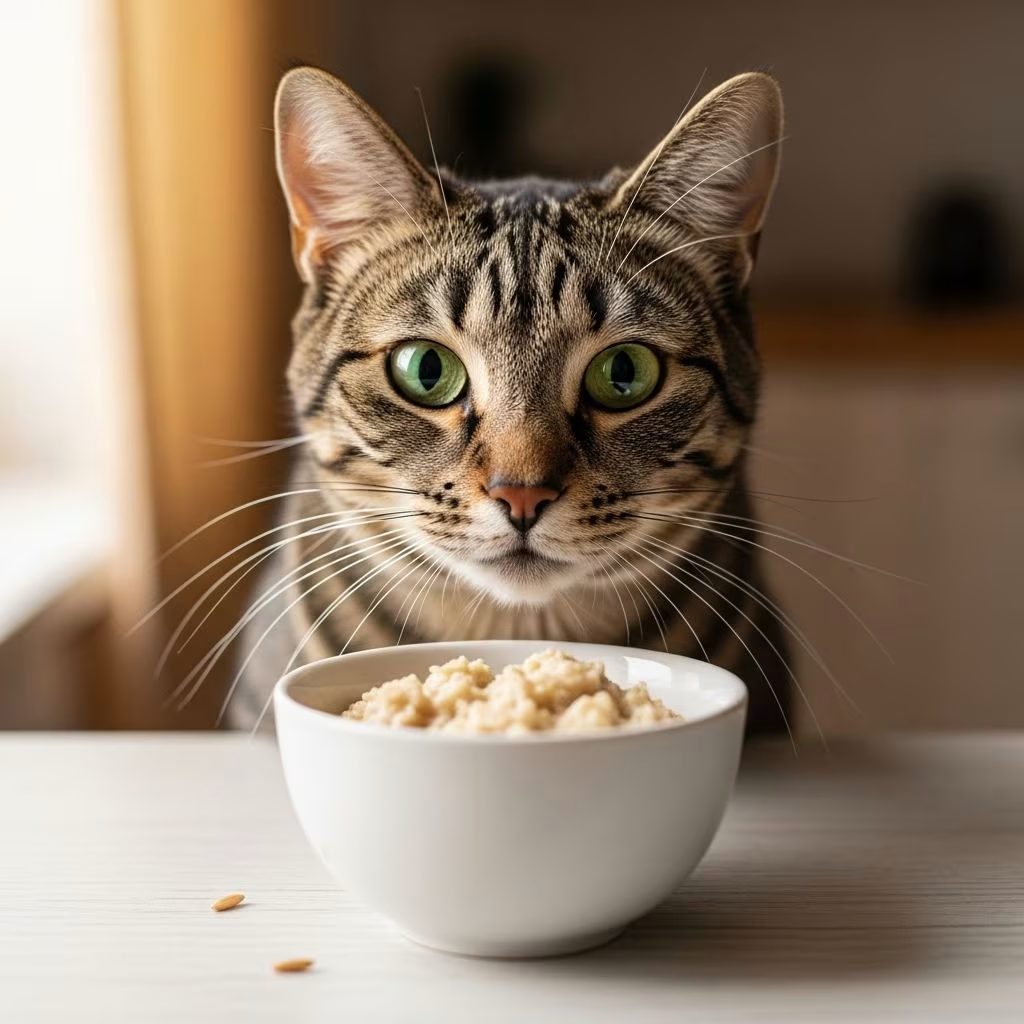
Oatmeal poses no toxicity risk to cats and can be offered occasionally in moderation, though it provides minimal nutritional value aligned with their obligate carnivore needs.
Understanding Feline Dietary Requirements
Cats evolved as strict meat-eaters, relying on high-protein, moderate-fat diets with minimal carbohydrates. Their digestive enzymes prioritize animal proteins like taurine, essential for heart and eye health, over plant-based carbs found in grains such as oats. Commercial cat foods formulated by standards like AAFCO meet these needs, making human staples like oatmeal supplementary at best.
Oats contain about 60-70% carbohydrates by dry weight, which cats metabolize inefficiently, potentially leading to empty calories rather than sustenance. Fiber in oats, while beneficial for humans, exceeds typical feline requirements, as no minimum fiber is mandated in cat nutrition guidelines.
Nutritional Profile of Oatmeal for Cats
Plain oats offer some protein (around 13-17g per 100g dry), fats including linoleic acid for skin health, and soluble fiber like beta-glucan that may aid mild digestion. Antioxidants and B vitamins present in small amounts could provide minor support, but cats derive these more effectively from meat sources.
- Protein: Higher than rice but incomplete without taurine.
- Fiber: Supports gut motility in tiny doses; excess causes issues.
- Fats: Promote coat shine but add calories quickly.
- Carbs: Primarily starch, poorly utilized by felines.
Studies from sources like the National Library of Medicine highlight oats’ benefits for humans, such as cholesterol reduction, but feline physiology limits absorption. A teaspoon of cooked oatmeal (about 10-15 calories) won’t harm but shouldn’t displace protein-rich meals.
Potential Health Benefits
In small servings, oatmeal might ease constipation via fiber or provide hydration if plain and watery. Some owners report cats enjoying the texture, offering mental stimulation through novel foods. Linoleic acid supports epidermal barrier function, potentially reducing dry skin.
However, these perks are negligible compared to vet-recommended diets. Cats obtain superior fiber from pumpkin puree or psyllium if needed, without carb overload.
| Nutrient | Amount per 100g Dry Oats | Relevance to Cats |
|---|---|---|
| Carbohydrates | 66g | Low utility; risk of weight gain |
| Protein | 17g | Incomplete; lacks key aminos |
| Fiber | 11g | Modest digestive aid |
| Fat | 7g | Supports skin/coat minimally |
Risks and Drawbacks of Feeding Oatmeal
Excess oatmeal disrupts nutrient balance, as cats require 26-30% protein minimum (AAFCO adult maintenance). High carbs promote obesity, diabetes risk, or lethargy in inactive cats. Lactose-intolerant felines (most adults) suffer diarrhea from milk-cooked versions.
Raw oats pose choking hazards or bloating; uncooked grains expand in the stomach. Additives like sugar, raisins (toxic), cinnamon, or butter amplify dangers—raisins cause kidney failure.
- Digestive upset: Vomiting, loose stools from fiber overload.
- Caloric density: 389 kcal/100g dry, easy overfeeding.
- Allergies: Rare grain sensitivities manifest as itching.
- Nutrient dilution: Replaces vital meat nutrients.
Safe Preparation Methods
Opt for plain, steel-cut or rolled oats cooked in water until soft. Cool completely to avoid burns. Portion: 1/4-1/2 teaspoon per 5kg body weight, 1-2 times weekly max, comprising <10% daily calories.
- Boil 1 part oats to 2 parts water.
- Simmer 5-10 minutes until mushy.
- Mix with wet cat food if unappealing plain.
- Store refrigerated up to 48 hours.
Avoid instant packets with flavors/salt. Test small amounts first for tolerance.
Common Mistakes to Avoid
Sharing breakfast bowls risks seasonings; never use dairy. Oatmeal cookies pack butter/fat (up to 20g per serving), leading to pancreatitis. Flavored varieties like apple-cinnamon hide nutmeg, which is harmful in quantity.
Daily feeding ignores carnivore needs, per vet consensus—prioritize commercial kibble/wet food.
Healthier Alternatives to Oatmeal
Choose cat-appropriate treats for better nutrition:
- Cooked chicken/turkey: Pure protein, low-cal.
- Fish like salmon: Omega-3s for coat (plain, boneless).
- Pumpkin: Fiber without carbs.
- Commercial treats: Taurine-fortified jerky.
- Vegetables: Steamed green beans for crunch.
These mimic natural prey, supporting vitality over fillers.
When to Consult a Veterinarian
Monitor for adverse reactions post-feeding. Seek advice if your cat has diabetes, IBD, or obesity—oatmeal exacerbates these. Picky eaters or seniors may need tailored plans. Vets recommend bloodwork to assess carb impacts long-term.
FAQs
Is plain oatmeal toxic to cats?
No, it’s safe but offer sparingly as cats don’t need grains.
Can kittens eat oatmeal?
Avoid; prioritize kitten formula for growth nutrients.
What if my cat loves oatmeal?
Limit to treats; mix minimally with meat to prevent dependency.
Is oatmeal better than rice for cats?
Slightly, due to more protein, but neither ideal.
Can oatmeal help with cat hairballs?
Fiber may assist mildly; vet-approved remedies superior.
References
- Can Cats Eat Oatmeal? — Cats.com. 2023. https://cats.com/can-cats-eat-oatmeal
- Can Cats Eat Oatmeal? Vet-Reviewed Facts & Considerations — Catster. 2023. https://www.catster.com/nutrition/can-cats-eat-oatmeal/
- Can Cats Eat Oatmeal? — TrustedHousesitters.com. 2023-12-05. https://www.trustedhousesitters.com/blog/pets/can-cats-eat-oatmeal/
- Oatmeal and Cats: Is It Safe for Feline Consumption? — Bailey’s CBD. 2023. https://baileyscbd.com/blogs/cat-nutrition/oatmeal-and-cats-is-it-safe-for-feline-consumption
- Can Cats Eat Porridge? The Truth Revealed — Untamed. 2023. https://untamed.com/blogs/nutrition/can-cats-eat-porridge



