

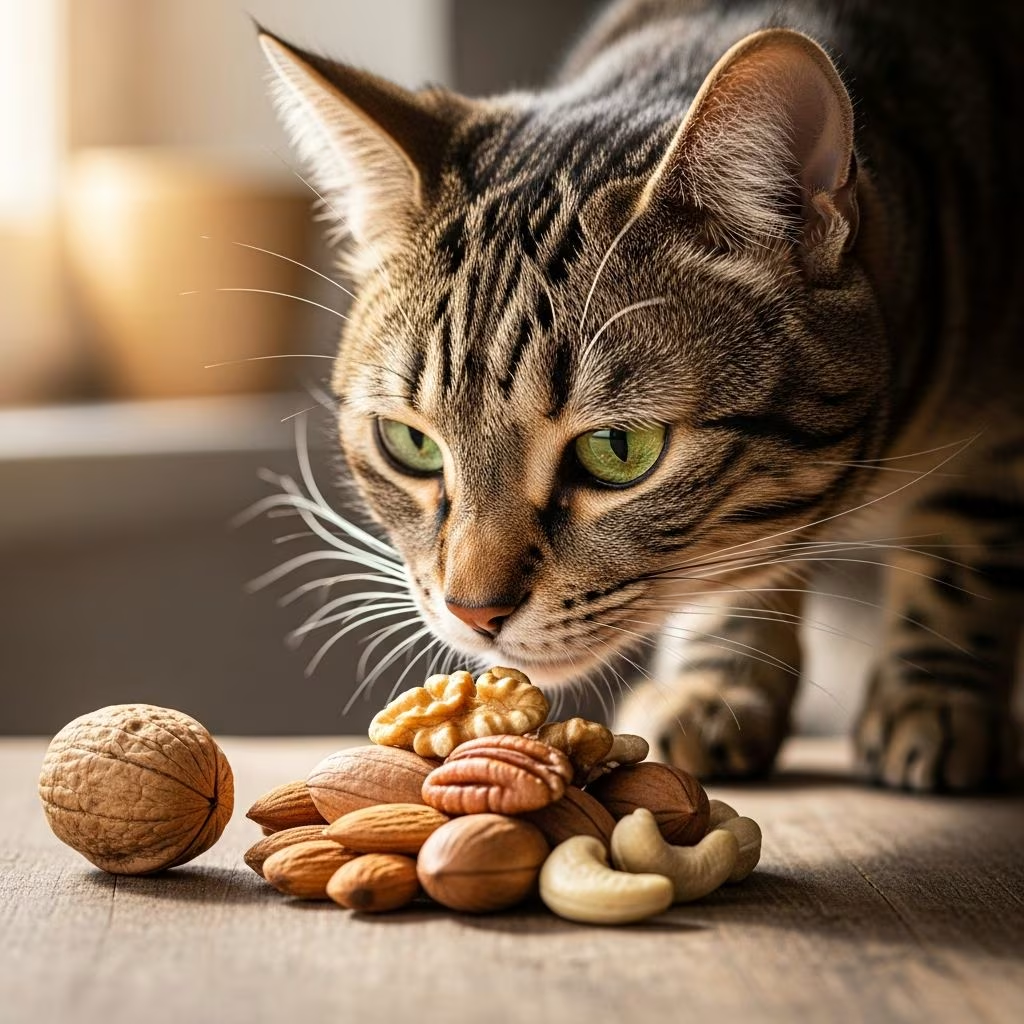
Cats are obligate carnivores with specific dietary needs that differ significantly from humans. While nuts offer health benefits for people—packed with healthy fats, proteins, vitamins, and minerals—they are generally not suitable for cats. Most nuts are non-toxic, but their high fat content, potential choking hazards, and digestive challenges make them risky. Certain varieties like macadamia nuts are outright toxic. This comprehensive guide explores why cats shouldn’t eat nuts, breaks down specific types, addresses common concerns, and suggests safer alternatives to keep your feline healthy and happy.
Why Are Nuts Bad for Cats?
Nuts pose several dangers to cats despite not being universally poisonous. Cats’ digestive systems are optimized for meat-based proteins, not the dense, fatty plant matter found in nuts. Here’s a detailed look at the primary risks:
- High Fat Content: Nuts are calorie-dense and loaded with fats—often 40-70g per 100g. For cats, excess fat leads to rapid weight gain, obesity, diabetes, and pancreatitis, a painful inflammation of the pancreas. Veterinary sources confirm that even small amounts over time can trigger these issues in felines unaccustomed to high-fat diets.
- Choking Hazard and Blockages: Whole or large nut pieces are hard for cats to chew due to their sharp teeth designed for tearing meat, not grinding tough shells or kernels. This increases risks of choking, dental fractures, or intestinal obstructions requiring surgical intervention.
- Digestive Upset: The oils and fibers in nuts are hard for cats to process, causing vomiting, diarrhea, lethargy, and stomach pain. Mold on nuts like walnuts or pecans can produce toxins leading to tremors or seizures.
- Nutritional Imbalance: Cats require taurine, arachidonic acid, and other animal-derived nutrients. Nuts lack these essentials and could displace balanced cat food, leading to deficiencies.
In the wild, feral cats instinctively avoid nuts, sticking to prey that matches their carnivorous biology. Domesticated cats should follow suit, as commercial cat foods provide all necessary vitamins without the risks.
What Types of Nuts Can Cats Eat?
No nuts are truly recommended for regular feline consumption, but some are less hazardous in tiny, occasional amounts. Others should be strictly avoided. Below is a breakdown of common nuts, their risks, and safety verdicts based on veterinary insights.
| Nut Type | Fat Content (per 100g) | Safety for Cats | Key Risks |
|---|---|---|---|
| Almonds | 50g | Occasional small piece OK | High fat causes upset stomach; choking risk. |
| Brazil Nuts | 67g | Avoid | Excessive calories, vitamins unnecessary; GI issues. |
| Cashews | 44g | Tiny amounts only | High sodium, fat leads to diarrhea, pancreatitis. |
| Macadamia | 76g | TOXIC – Avoid completely | Vomiting, tremors, weakness, lethargy. |
| Pecans | 72g | Avoid | Mold toxicity, high fat, blockages. |
| Pine Nuts | 68g | Avoid | Digestive upset, vomiting, choking due to size. |
| Pistachios | 45g | Avoid | High fat, salt; shells are dangerous. |
| Walnuts | 65g | Avoid | Mold risks seizures; fat overload. |
Peanuts and Peanut Butter: Peanuts aren’t true nuts but legumes. Plain, unsalted peanuts pose choking risks and fat issues; peanut butter is worse due to stickiness and potential xylitol (toxic sweetener). Best avoided entirely.
Chestnuts: Lower in fat than most nuts (about 2g per 100g) and carb-heavy, they offer minimal feline benefits and still risk digestive woes. Not worth the gamble.
Can Cats Eat Nuts If Cooked or Chopped?
Chopping nuts or incorporating them into meals doesn’t eliminate dangers. Smaller pieces may still cause choking or dental damage, as cats lack the molars to properly grind them. The fat content remains unchanged, promoting obesity and pancreatitis. Human meals often include toxic additives like onions, garlic, salt, or spices that compound risks. Veterinary experts unanimously advise against it—stick to cat-specific recipes.
Health Risks of Feeding Nuts to Cats
Beyond immediate issues, regular nut consumption disrupts feline health long-term:
- Obesity and Diabetes: High calories (500-700 per 100g) exceed cats’ needs, leading to insulin resistance.
- Pancreatitis: Fat overload inflames the pancreas; symptoms include vomiting, abdominal pain, and dehydration. Requires vet treatment.
- Toxic Reactions: Macadamias cause neurological symptoms; moldy nuts trigger seizures.
- Allergies and Sensitivities: Rare but possible, manifesting as itching, swelling, or chronic GI problems.
If your cat ingests nuts, monitor for 24-48 hours. Contact a vet or poison hotline (e.g., ASPCA Animal Poison Control) if symptoms appear. Prompt action prevents complications.
Are There Any Benefits to Nuts for Cats?
For humans, nuts provide antioxidants, fiber, and heart-healthy fats. Cats derive negligible benefits:
- Vitamins (E, B6) are abundant in quality cat food.
- Proteins are plant-based, lacking essential amino acids like taurine.
- Fats are unbalanced for feline metabolism.
Studies show no nutritional justification for nuts in cat diets. Wild cats thrive without them, proving they’re unnecessary.
Safe Alternatives to Nuts for Cats
Opt for vet-approved treats that mimic nuts’ crunch or nutrition without risks:
- Commercial Cat Treats: Freeze-dried meat (chicken, fish) low in fat, high in protein.
- Vegetables: Cooked pumpkin or carrots for fiber (tiny amounts).
- Meat Bits: Plain boiled chicken, turkey—cats’ natural preference.
- Cat-Safe Chews: Dental treats formulated for felines.
Limit treats to 10% of daily calories. Always choose AAFCO-approved products for balanced nutrition.
Frequently Asked Questions (FAQs)
Are all nuts toxic to cats?
No, most aren’t toxic but are unhealthy due to fat and choking risks. Macadamia nuts are an exception—highly toxic.
Can my cat have one nut as a treat?
A single small, plain nut (e.g., almond) rarely causes harm in healthy cats, but it’s not recommended. Monitor closely.
What if my cat ate nuts? What are the symptoms?
Watch for vomiting, diarrhea, lethargy, tremors. Call your vet immediately if noted.
Is peanut butter safe for cats?
No—sticky texture risks choking; often contains xylitol or high fat/salt.
Why don’t wild cats eat nuts?
Feral cats are carnivores avoiding nuts instinctively, as they don’t aid survival.
Conclusion
In summary, cats should not eat nuts. The risks—choking, obesity, pancreatitis, and toxicity in some cases—far outweigh any minor benefits. Prioritize a meat-based, vet-recommended diet for optimal health. Consult your veterinarian for personalized advice, especially if your cat has pre-existing conditions. By steering clear of nuts, you’ll help your cat live a longer, healthier life full of safe, tail-wagging treats.
References
- Can Cats Eat Nuts? — TrustedHousesitters. 2023. https://www.trustedhousesitters.com/blog/pets/can-cats-eat-nuts/
- Can Cats Eat Nuts? Vet Approved Facts & Safety Guide — Catster. 2024. https://www.catster.com/nutrition/can-cats-eat-nuts/
- Can cats eat nuts — Untamed. 2024. https://untamed.com/blogs/nutrition/can-cats-eat-nuts
- Can Cats Eat Nuts? — BaxterBoo. 2023. https://images.baxterboo.com/blog/a.cfm/can-cats-eat-nuts/
- Nuts and Seeds for Cats: Benefits, Risks, and Considerations — Petcube. 2024. https://petcube.com/blog/can-cats-eat-nuts-and-seeds/
- Safe and Unsafe Nuts and Seeds For Dogs & Cats — Preventive Vet. 2023. https://www.preventivevet.com/pets/safe-and-unsafe-nuts-and-seeds-for-pets



