

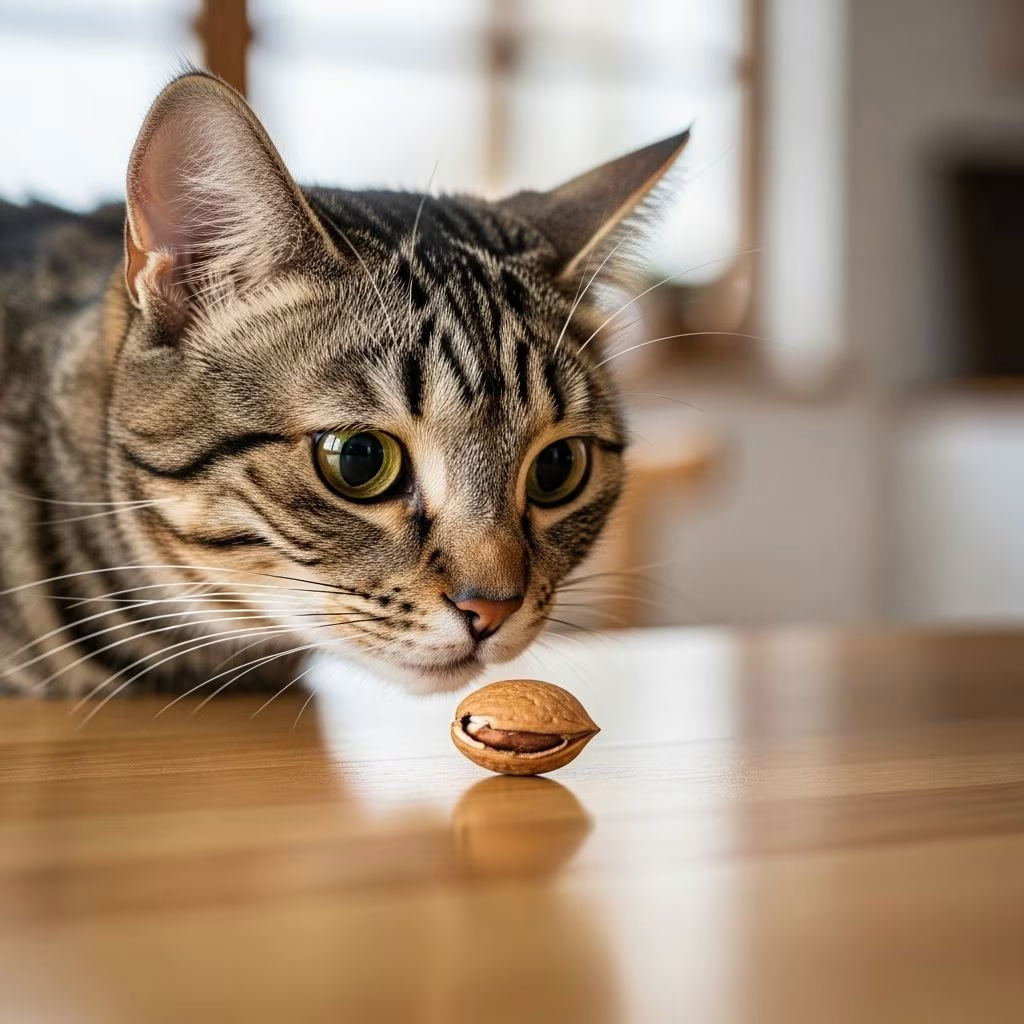
Cats are obligate carnivores, meaning their diet should primarily consist of meat-based proteins rather than plant-based foods like nuts. While some nuts are non-toxic, most pose risks due to high fat content, choking hazards, and potential allergies. This article explores whether cats can eat nuts safely, detailing safe and unsafe varieties, health concerns, and better alternatives.
Quick Answer: Can Cats Eat Nuts?
In general, cats should not eat nuts. Most nuts are high in fat, which can lead to digestive upset, pancreatitis, or obesity in cats. Some nuts like macadamia are toxic, while others like pine nuts or chestnuts may be tolerated in tiny amounts but are not recommended. Cats lack the digestive enzymes to process nuts efficiently, and whole nuts present choking risks since felines swallow food rather than chew.
Why Nuts Aren’t Ideal for Cats
Cats evolved as hunters, relying on prey for nutrition. Their digestive systems are optimized for high-protein, moderate-fat, low-carb diets. Nuts, being calorie-dense and fatty, disrupt this balance:
- High Fat Content: Excess fat can cause vomiting, diarrhea, hyperlipidemia (elevated blood fats), or pancreatitis.
- Choking Hazard: Small, hard nuts are swallowed whole, risking obstruction.
- Mold Toxins: Nuts like pecans or walnuts can harbor aflatoxins from mold, causing liver damage.
- Added Risks: Salted, flavored, or chocolate-coated nuts amplify dangers.
Even “safe” nuts offer no significant nutritional benefits for cats compared to commercial treats or fresh meats.
Safe Nuts for Cats (In Moderation)
A few nuts are considered non-toxic and may be given sparingly as an occasional treat. Always chop finely, offer plain and unsalted varieties, and limit to 1-2 small pieces occasionally.
| Nut Type | Safety Level | Notes |
|---|---|---|
| Pine Nuts | Generally Safe | Non-toxic but high-fat; small size poses choking risk. Limit to tiny amounts. |
| Chestnuts (American) | Generally Safe | Plain, cooked chestnuts only; avoid horse chestnuts which are toxic. |
| Hazelnuts | Low Risk | Not toxic but fatty; potential for GI upset. |
| Peanuts | Low Risk | Plain, unsalted; avoid peanut butter due to stickiness and xylitol. |
These are not daily treats—overfeeding leads to weight gain and health issues.
Unsafe and Toxic Nuts for Cats
Many nuts are outright dangerous. Avoid these completely:
| Nut Type | Risks | Symptoms |
|---|---|---|
| Macadamia Nuts | Toxic (unclear mechanism in cats, proven in dogs) | Vomiting, weakness, hyperthermia, tremors. |
| Walnuts | High fat, mold risk, tannins | GI upset, diarrhea, neurological signs from aflatoxins. |
| Almonds | Choking, hard texture, mold | Obstruction, vomiting, potential toxicity. |
| Cashews | Raw are toxic; high fat | GI distress, possible poisoning. |
| Pistachios | High fat, shell choking | Pancreatitis, obstruction. |
| Pecans | Mold-prone (aflatoxins) | Liver failure, tremors. |
| Brazil Nuts | Extremely high fat | Obesity, pancreatitis. |
| Horse Chestnuts/Black Walnuts | Toxic | Severe GI and neurological symptoms. |
If your cat ingests unsafe nuts, monitor for symptoms and contact a vet immediately.
Can Cats Be Allergic to Nuts?
Yes, though rare. Nut allergies in cats mimic human reactions but are less common than protein allergies (e.g., beef, fish). Symptoms include:
- Rash or hot spots
- Itchy skin, hair loss
- Runny eyes, facial swelling
- Vomiting, diarrhea
- Difficulty breathing (anaphylaxis—emergency!)
Even one nut can trigger a reaction in sensitive cats. Introduce new foods singly and watch closely.
What If My Cat Ate Nuts?
Don’t panic for small amounts of safe nuts, but act quickly for toxic ones:
- Observe: Watch for vomiting, lethargy, or distress 4-24 hours post-ingestion.
- Mild Upset: Withhold food 12 hours, offer water; resume bland diet.
- Severe Symptoms: Call vet or poison hotline (e.g., ASPCA Animal Poison Control).
- Choking/Obstruction: Seek emergency care if coughing or abdomen pain.
Large quantities of any nut warrant a vet visit due to fat overload risks.
Healthier Alternatives to Nuts for Cats
Skip nuts entirely. Opt for cat-appropriate treats:
- Commercial Cat Treats: Low-cal, vet-approved brands.
- Fresh Meats: Cooked chicken, turkey, fish (no bones/seasoning).
- Veggies: Steamed pumpkin, green beans for fiber.
- Freeze-Dried Meats: Pure protein snacks.
- Dental Treats: For oral health without calories.
Limit treats to 10% of daily calories. Consult your vet for personalized advice.
Nutritional Needs of Cats
Cats require taurine, arachidonic acid, and other nutrients from animal sources. Nuts lack these and excess carbs/fats promote diabetes or obesity. Stick to AAFCO-approved cat food.
Frequently Asked Questions
Can cats eat pine nuts?
Yes, in tiny amounts; non-toxic but high-fat and choking risk.
Are macadamia nuts toxic to cats?
Yes, avoid completely—can cause vomiting and weakness.
Can cats have peanut butter?
No, too sticky, high-fat, and risky for xylitol.
What if my cat ate almonds?
Monitor for GI upset or choking; vet if symptoms appear.
Are chestnuts safe for cats?
Plain American chestnuts yes; horse chestnuts no.
Why do nuts upset my cat’s stomach?
High fat overwhelms their carnivore digestion.
References
- Can Cats Eat Pine Nuts? Vet-Reviewed Facts & FAQ — Catster. 2023. https://www.catster.com/nutrition/can-cats-eat-pine-nuts/
- Can Cats Eat Chestnuts? Vet-Approved Diet Precautions & Advice — Catster. 2023. https://www.catster.com/nutrition/can-cats-eat-chestnuts/
- Can Cats Eat Macadamia Nuts? Vet-Approved Facts & FAQ — Catster. 2023. https://www.catster.com/nutrition/can-cats-eat-macadamia-nuts/
- Can Cats Eat Almond Butter? Vet Approved Facts & FAQ — Catster. 2023. https://www.catster.com/nutrition/can-cats-eat-almond-butter/
- Can Cats Eat Walnuts? Vet Approved Facts & FAQ — Catster. 2023. https://www.catster.com/nutrition/can-cats-eat-walnuts/



