

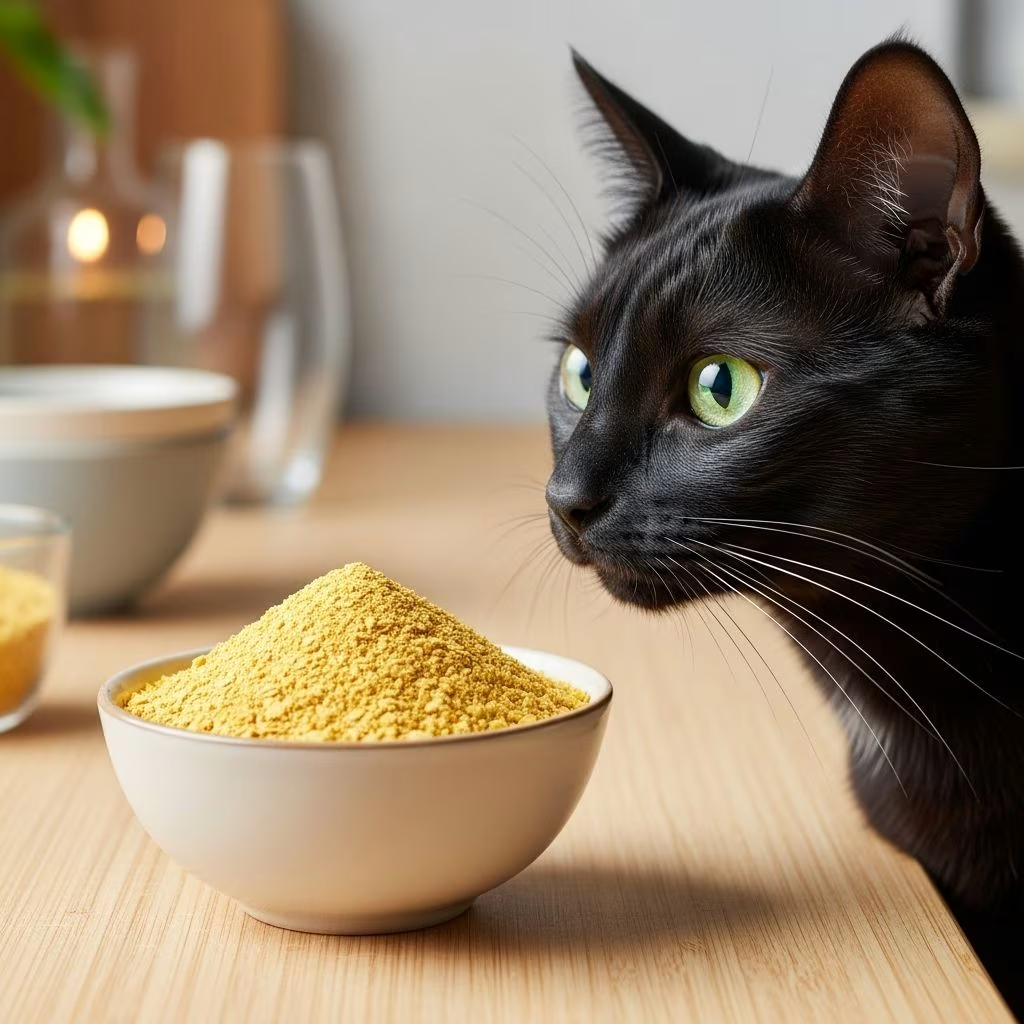
Nutritional yeast is generally safe and healthy for cats when fed in moderation as a meal topper or supplement. Unlike active baker’s yeast, which can cause dangerous bloating and alcohol toxicity, nutritional yeast is deactivated, preventing fermentation in a cat’s stomach.
This vegan, cheesy-flavored powder is rich in B vitamins, protein, and often fortified nutrients, making it appealing for picky eaters or cats needing nutritional boosts. However, its high phosphorus content requires caution, especially for cats with kidney issues.
What Is Nutritional Yeast?
Nutritional yeast is a deactivated form of Saccharomyces cerevisiae yeast, grown on a sugar-rich medium like molasses, then heat-killed, dried, and flaked. It’s distinct from:
- Baker’s yeast: Active leavening agent that ferments and rises, risking gastric dilatation and toxicity in cats.
- Brewer’s yeast: A byproduct of beer production, similar but often unfortified and with different processing.
Fortified versions contain added B vitamins (like B12, essential for cats who can’t synthesize it), protein, and minerals. It’s low in fat, calories, sodium, sugar, gluten, and vegan, ideal for supplements.
Cats, as obligate carnivores, thrive on high-protein, moderate-fat, low-carb diets. Nutritional yeast fills gaps in picky eaters without excess carbs.
Is Nutritional Yeast Safe for Cats?
Yes, nutritional yeast is safe for most cats because it’s inactivated—no live yeast cells to ferment or produce gas/alcohol. Veterinary sources confirm it’s non-toxic and won’t cause the life-threatening bloat from baker’s yeast.
Key safety tips:
- Choose GMO-free, fortified, low-sodium, sugar-free products.
- Start small to monitor for allergies (rare, but possible itching or digestive upset).
- Avoid if your cat has phosphorus restrictions (e.g., kidney disease).
- Consult a vet before adding to any diet, especially for kittens, seniors, or health-compromised cats.
Research supports safety: Studies on yeast derivatives show improved digestion and no adverse effects in healthy cats.
Is Nutritional Yeast Healthy for Cats?
Nutritional yeast provides targeted health benefits, enhancing a complete AAFCO-balanced diet rather than replacing it.
Key Nutritional Profile (per 1-2 tbsp serving, varies by brand):
| Nutrient | Benefit for Cats |
|---|---|
| B Vitamins (B1, B2, B6, B12) | Supports nervous system, red blood cells, energy metabolism; B12 vital as cats can’t produce it. |
| Protein (complete, 50%+ by weight) | High-quality amino acids for muscle maintenance; helps picky eaters feel full. |
| Phosphorus | Bone health in balance, but excess risks calcium depletion/kidney strain. |
| Trace Minerals (Zinc, Selenium) | Immune boost, antioxidant support. |
| Low Fat/Calories | Obesity prevention; aids weight management. |
Health Benefits:
- Immune Support: Beta-glucans and B vitamins activate immune cells; reduces harmful gut bacteria like Clostridium.
- Skin & Coat Health: B vitamins improve fur shine, reduce shedding—great for long-haired or indoor cats.
- Digestion & Gut Health: Enhances fiber/ash digestion, boosts beneficial metabolites like lactic acid for microbiome balance.
- Energy Boost: B vitamins aid metabolism; tempts picky eaters to finish meals.
- Appetite & Satiety: Cheesy flavor encourages eating; protein promotes fullness, curbing obesity.
Studies confirm yeast improves nutrient absorption and gut flora in cats, indirectly supporting overall wellness.
Potential Risks and Side Effects
Moderation is key—excess can harm due to high phosphorus (200-500mg per tbsp).
- Kidney Concerns: High phosphorus may accelerate disease (top killer in cats over 5); depletes calcium, risking bone issues.
- Digestive Upset: Overfeeding causes diarrhea, gas; introduce gradually.
- Allergies: Rare yeast sensitivity leads to itching or vomiting—discontinue if seen.
- Quality Issues: Poor/processed products may contain contaminants; opt for reputable brands.
Not daily for all cats—Dr. Lynn Bahr recommends occasional use. Avoid in renal diets.
How Much Nutritional Yeast Can Cats Have?
Safe dosage: ¼ teaspoon daily for average adult cat (4-10 lbs); adjust by weight (⅛ tsp for small cats, ½ tsp max for large).
- Frequency: 2-3 times/week, not daily to limit phosphorus.
- Monitor: Watch urine output, energy; vet bloodwork for long-term use.
Overdose risks kidney strain—err low.
How to Feed Nutritional Yeast to Cats
Easy integration:
- Sprinkle as Topper: Dust on wet/dry food for cheesy allure; picky eaters love it.
- Mix in Treats: Blend into homemade patties or broth.
- Portion Control: Use measuring spoon; start with ⅛ tsp.
- Storage: Cool, dry place; refrigerate opened flakes.
Pro Tip: Combine with taurine-rich foods for balance.
Nutritional Yeast vs. Other Yeasts for Cats
| Type | Safe? | Benefits | Risks |
|---|---|---|---|
| Nutritional | Yes | B vitamins, protein, immune/gut support | High phosphorus |
| Baker’s | No | None | Bloating, toxicity, death |
| Brewer’s | Yes (similar) | Skin/coat, fleas, digestion | Less fortified |
Conclusion
Nutritional yeast is a nutritious, safe supplement for cats, offering B vitamins, protein, immune strength, and better digestion when used sparingly. Ideal for coat health, energy, or picky appetites, but limit due to phosphorus—especially for at-risk cats. Always vet-approve for personalized advice.
Frequently Asked Questions
Can cats eat nutritional yeast every day?
No, limit to 2-3 times weekly to avoid phosphorus overload; daily may risk kidney issues.
Is nutritional yeast toxic to cats?
Not at all—it’s deactivated and safe, unlike active yeasts.
Does nutritional yeast help with cat fleas?
Brewer’s yeast may deter fleas via B1 excretion in skin oils; nutritional offers similar but milder effects.
Can kittens eat nutritional yeast?
In tiny amounts post-weaning, but consult vet—growing kidneys are sensitive.
Why does my cat love nutritional yeast?
Its nutty, cheesy taste mimics umami; B vitamins boost appeal.
Is it okay for cats with kidney disease?
Generally no—high phosphorus worsens condition; seek low-phosphorus alternatives.
References
- Nutritional Yeast for Cats | Health Benefits and Side Effects — PetAssure. 2023. https://www.petassure.com/maxscorner/is-nutritional-yeast-good-for-cats-benefits-and-side-effects/
- Can Cats Eat Nutritional Yeast? Vet-Reviewed Facts & FAQ — Catster. 2024. https://www.catster.com/nutrition/can-cats-eat-nutritional-yeast/
- Can Cats Eat Nutritional Yeast? Is Nutritional Yeast Safe For Cats? — CatTime. 2023. https://cattime.com/cat-facts/health/43863-can-cats-eat-nutritional-yeast-safe
- Nutritional Yeast for Pets: Benefits and Uses — Food Medicine for Animals. 2024. https://www.foodmedicineforanimals.com/blog/nutritional-yeast
- Why Brewer’s Yeast Is Good for Cats — GoofyTails. 2024. https://goofytails.com/blogs/blog/why-brewer-s-yeast-is-good-for-cats-benefits-uses-safety-and-myths-explained
- Potential benefits of yeast Saccharomyces and their derivatives — PMC (PubMed Central). 2023-10-25. https://pmc.ncbi.nlm.nih.gov/articles/PMC10634211/



