

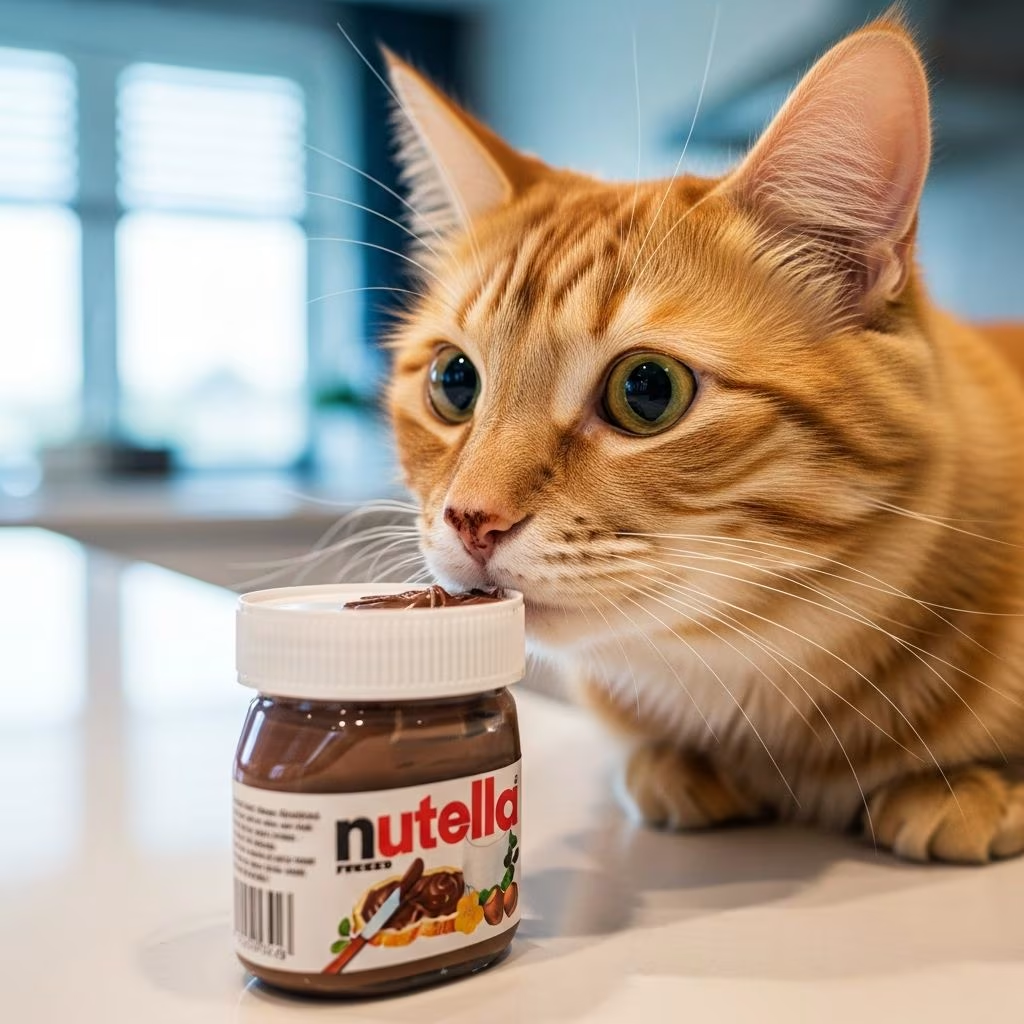
Can Cats Eat Nutella? Vet-Reviewed Safety Guide
Nutella is a beloved chocolate-hazelnut spread enjoyed by millions of people worldwide. As pet owners, it’s natural to want to share our favorite treats with our feline companions. However, the answer to whether cats can eat Nutella is a definitive no. While some individual ingredients in Nutella may seem harmless, the combination of components makes this spread unsafe for cats and potentially toxic to their health.
Understanding why Nutella poses a risk to your cat is essential for responsible pet ownership. This comprehensive guide explores the dangers of Nutella for cats, explains the toxic compounds present in this popular spread, outlines warning signs of poisoning, and provides healthier treat alternatives for your feline friend.
What Is Nutella and What Does It Contain?
Nutella is a spreadable chocolate product made from a combination of ingredients designed to appeal to human taste preferences. The primary components include:
- Hazelnuts
- Sugar
- Palm oil
- Cocoa solids
- Milk powder
- Lecithin
- Vanilla flavoring
While these ingredients create a delicious treat for humans, they present several challenges for feline digestive systems and health. Cats have evolved as obligate carnivores with specific nutritional requirements that differ significantly from human needs. Their bodies are not designed to process many of the components found in Nutella, making it an unsuitable food choice regardless of portion size.
Why Can’t Cats Eat Nutella?
Nutella is dangerous for cats for multiple reasons. The primary concern involves the presence of cocoa and chocolate, which contains toxic compounds. Additionally, other ingredients in Nutella can cause digestive upset and long-term health complications in felines.
The Chocolate Problem: Theobromine and Caffeine
The most significant danger in Nutella for cats stems from its cocoa content. Cocoa and chocolate contain two methylxanthines: theobromine and caffeine. These compounds are toxic to cats and metabolized very slowly by their bodies, making even small amounts potentially dangerous.
The concentration of these toxic substances varies based on the type of chocolate. Dark chocolate and cocoa powder contain much higher levels of theobromine than milk chocolate. Since cats are significantly smaller than humans, a quantity of chocolate that might seem insignificant to a person can represent a substantial dose for a feline.
Theobromine poisoning in cats can cause severe symptoms ranging from mild gastrointestinal distress to life-threatening conditions. The toxicity depends on:
- The amount of Nutella consumed
- Your cat’s body weight
- Your cat’s overall health status
- The concentration of cocoa in the product
High Sugar Content
Nutella contains substantial amounts of sugar, which poses multiple health risks for cats. Unlike humans, cats cannot taste sweetness in the way we do, meaning they derive no enjoyment from the sugar present in this spread. However, the sugar content still affects their health negatively.
Regular consumption of high-sugar foods can disrupt a cat’s metabolism and significantly increase the risk of obesity and diabetes over time. Cats are obligate carnivores and have no biological need for sugar in their diet.
Fat Content and Digestive Issues
Nutella contains substantial amounts of fat from hazelnuts and palm oil. While some dietary fat is necessary for cats, the high fat content in Nutella can trigger digestive problems, including:
- Stomach upset
- Diarrhea
- Nausea
- Pancreatitis in sensitive cats
Pancreatitis, an inflammation of the pancreas, is a particularly serious condition that may require veterinary intervention and can cause lasting complications.
Lactose Content
Nutella contains milk powder as an ingredient. Many cats are lactose intolerant, meaning their digestive systems lack sufficient lactase enzyme to break down lactose properly. This can lead to gastrointestinal distress, diarrhea, and abdominal discomfort in affected cats.
Hazelnuts as a Secondary Concern
While hazelnuts themselves are not toxic to cats in the way chocolate is, they are not an appropriate food for felines. Hazelnuts are high in fat and calories, and since cats are obligate carnivores, nuts are not a natural part of their diet. Very small quantities of hazelnuts on occasion are unlikely to cause serious harm, but they offer no nutritional benefit and can contribute to obesity and digestive upset.
Symptoms of Nutella Toxicity in Cats
If your cat has consumed Nutella, it’s crucial to recognize the warning signs of toxicity. Symptoms may appear within a few hours of ingestion and vary depending on the amount consumed and your cat’s size. Early recognition of these signs can be lifesaving.
Mild to moderate symptoms include:
- Vomiting
- Diarrhea
- Nausea
- Abdominal discomfort
- Restlessness or unusual behavior
- Excessive thirst
- Increased urination
Severe symptoms requiring immediate veterinary attention include:
- Rapid breathing or shortness of breath
- Increased heart rate (tachycardia)
- Tremors or muscle twitching
- Seizures
- Weakness or collapse
- Loss of consciousness
The severity of symptoms depends on several factors. A small cat that ingests a large quantity of Nutella faces greater risk than a larger cat that licks a small amount from a spoon. Additionally, cats with pre-existing health conditions, particularly heart conditions, are at elevated risk for severe reactions.
What to Do If Your Cat Ate Nutella
If you discover that your cat has consumed Nutella, your first action should depend on the amount ingested and your cat’s current state.
Small Amount Ingestion
If your cat only licked a small amount of Nutella off a spoon or finger, the risk of serious complications is relatively low. However, contact your veterinarian for guidance based on your cat’s size, age, and health status. Monitor your cat closely for the next 24 hours and watch for any signs of illness.
Significant Amount Ingestion
If you find your cat with its face in a jar of Nutella or discover that a significant amount has been consumed, take action immediately. Contact your veterinarian or an emergency animal poison control center right away. Provide them with:
- Your cat’s weight
- The approximate amount of Nutella consumed
- The time of ingestion
- Any symptoms your cat is currently displaying
Your veterinarian can assess the situation and determine whether your cat needs to be examined or treated. Some cats may require induced vomiting, activated charcoal, or supportive care depending on the circumstances.
Safe and Healthy Treat Alternatives for Your Cat
Rather than sharing human treats like Nutella with your cat, provide species-appropriate alternatives that support their health and nutrition. Since cats are obligate carnivores, animal-based proteins are the best treat options.
Protein-Based Treats
Lean animal proteins should form the foundation of any cat treat regimen. Safe options include:
- Cooked chicken breast (unseasoned)
- Cooked turkey (unseasoned)
- Cooked fish such as salmon or tuna
- Cooked beef (lean cuts, unseasoned)
These treats are naturally appealing to cats, provide genuine nutritional value, and satisfy their carnivorous instincts. Serve small portions in moderation.
Commercial Cat Treats
Many commercial treat products are specifically formulated to meet feline nutritional needs. Look for treats that:
- List meat as the primary ingredient
- Contain no artificial flavors or colors
- Are designed specifically for cats
- Have undergone quality testing
Caloric Guidelines
Regardless of which treats you choose, remember that treats should account for less than 10% of your cat’s daily caloric intake. The average cat needs approximately 20-35 calories per pound of body weight per day. A cat weighing 10 pounds, for example, requires between 200 and 350 calories daily. This means treats for this cat should provide no more than 20-35 calories.
Fruits and Vegetables (Limited)
While not essential for cats, some felines enjoy small amounts of certain fruits and vegetables. Cat-safe options include small pieces of cooked pumpkin, carrots, or watermelon (without seeds). However, these should never form a significant part of your cat’s diet and should be offered rarely.
How to Prevent Accidental Nutella Ingestion
The best approach to protecting your cat from Nutella toxicity is prevention. Implement these safeguards in your household:
- Secure storage: Keep Nutella and all chocolate products in sealed containers within cabinets or drawers that your cat cannot access.
- Avoid sharing: Never feed your cat food from your plate or allow others to share human snacks with your pet.
- Supervise mealtimes: Keep your cat away from areas where you are eating or preparing food.
- Educate household members: Inform all family members, guests, and pet sitters about the dangers of chocolate and human food for cats.
- Proper disposal: Dispose of empty Nutella jars and other chocolate packaging securely where your cat cannot access them.
- Close supervision: Never leave Nutella or other toxic substances unattended where your cat might investigate.
Frequently Asked Questions About Cats and Nutella
Q: Can a tiny lick of Nutella harm my cat?
A: A single small lick from a spoon is unlikely to cause serious harm to a healthy adult cat, though it should still be avoided. However, the risk increases with repeated exposure or if your cat is very small, young, elderly, or has pre-existing health conditions. When in doubt, contact your veterinarian.
Q: Is there any amount of Nutella that is safe for cats?
A: No. While very small accidental ingestion may not cause severe toxicity, there is no safe amount of Nutella to intentionally feed your cat. The chocolate content alone makes it unsuitable for feline consumption.
Q: Why don’t cats enjoy Nutella anyway?
A: Cats lack the taste receptors to perceive sweetness the way humans do. This means your cat derives no enjoyment or satisfaction from the sugar in Nutella, making them missing nothing by avoiding it.
Q: What should I do if my cat ate Nutella overnight and I’m noticing symptoms?
A: Contact your veterinarian immediately or visit an emergency veterinary clinic. Do not wait for symptoms to worsen. Bring information about the amount consumed if possible.
Q: Are all cats equally susceptible to Nutella toxicity?
A: No. Smaller cats, kittens, elderly cats, and cats with pre-existing health conditions are at greater risk. However, all cats should avoid Nutella regardless of these factors.
Q: Can I give my cat a chocolate-free hazelnut spread instead?
A: Pure hazelnut butter in very small amounts might be less immediately dangerous than Nutella, but it is still not recommended. The high fat and calorie content can cause digestive upset and contribute to obesity. Stick to cat-appropriate treats instead.
Conclusion
Nutella is not a safe treat for cats due to its dangerous combination of toxic and unhealthy ingredients. The chocolate content poses the greatest immediate risk through theobromine and caffeine toxicity, while the high sugar, fat, and milk powder content present additional long-term health concerns.
As a responsible cat owner, avoid sharing Nutella or other chocolate-based products with your feline companion. Instead, provide species-appropriate treats like lean cooked meats or commercial products specifically formulated for cats. These alternatives satisfy your cat’s nutritional needs and support their long-term health and happiness.
If your cat has accidentally consumed Nutella, monitor them closely and contact your veterinarian promptly. With proper precautions and knowledge about cat-safe treats, you can ensure your feline friend enjoys a healthy diet without unnecessary risks.
References
- Can Cats Eat Nutella? Vet-Reviewed Facts & Risks — Hepper. 2024. https://articles.hepper.com/can-cats-eat-nutella/
- Can Cats Eat Chocolate? What To Do if Your Cat Eats Chocolate — PetMD. 2024. https://www.petmd.com/cat/poisoning/can-cats-eat-chocolate
- Can Cats Eat Chocolate? Understand the Risks — Dreamies UK. https://www.dreamiestreats.co.uk/did-you-know/can-cats-eat-chocolate
- Can Cats Eat Nutella? Safety & Risks Explained — Zoorithm. 2024. https://www.zoorithm.com/cats/can-cat-eat-nutella



