

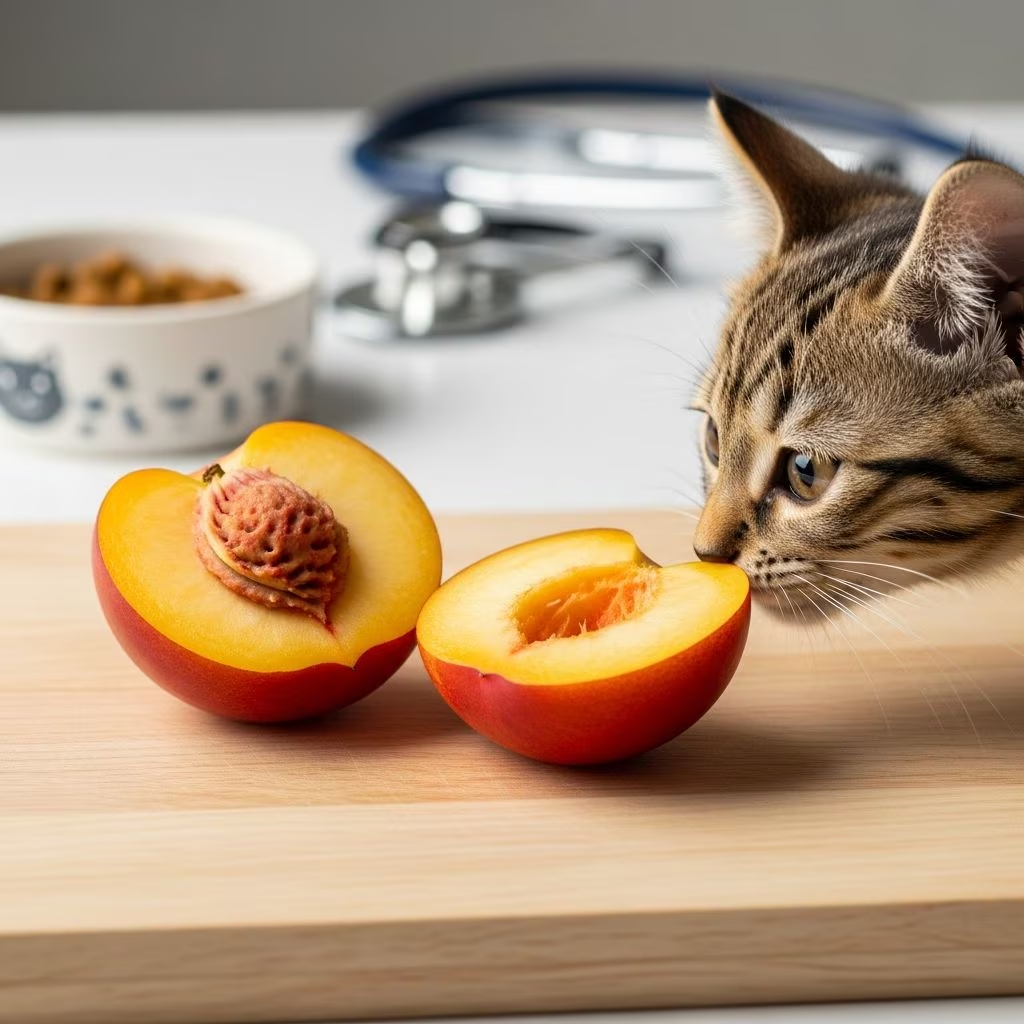
Can Cats Eat Nectarines? Vet Approved Nutritional Facts & FAQ
Nectarine flesh isn’t toxic for cats, and they can enjoy a little bit as a treat. However, there are some important considerations to keep in mind when offering this stone fruit to your feline companion. While cats are obligate carnivores and don’t require fruit in their diet, small amounts of nectarine can be given occasionally as a special treat, provided you take the necessary precautions.
If you’re wondering whether your cat can safely enjoy a piece of nectarine, the answer is yes—but with several important guidelines that every cat owner should understand. This article will explore the nutritional aspects of nectarines for cats, potential health risks, and best practices for offering this fruit safely.
Are Nectarines Safe for Cats?
The good news for cat owners is that the fleshy part of nectarines is completely safe for cats to consume. The flesh contains beneficial nutrients and poses no toxicity concerns when offered in appropriate portions. However, safety extends beyond just determining if a food is toxic—it also involves understanding how your cat’s unique digestive system will respond.
Unlike dogs and humans who enjoy sweet flavors, cats cannot taste sweetness. This genetic difference means your cat won’t naturally crave nectarines the way you might. Many cats show little interest in fruits, though some may be curious about what you’re eating and decide to investigate. If your cat does eat a small piece of nectarine, there’s no need to panic—the fleshy portion is completely benign.
The Dangerous Parts: What to Avoid
While the flesh of nectarines is safe, other parts of the fruit pose serious risks to your cat’s health. Understanding these dangers is crucial for responsible pet ownership:
- The Pit: The nectarine pit is one of the most significant hazards. It serves as both a choking hazard and a potential source of intestinal blockage. Additionally, nectarine pits contain amygdalin compounds that metabolize into cyanide when consumed, though the amount in a single pit is unlikely to cause severe toxicity unless ingested in large quantities.
- Leaves and Stems: Like the pit, the leaves and stems of nectarines contain cyanide and should never be offered to your cat.
- The Skin: While nectarine skin is safe if cut into small pieces, the thick, leathery texture can pose a choking hazard if offered in inappropriate sizes. It’s safest to remove the skin entirely before giving nectarine to your cat.
Always remove the pit completely before offering any nectarine to your cat, and wash the fruit thoroughly to remove any pesticide residue.
How Many Nectarines Can a Cat Have?
Portion control is essential when feeding nectarines to your cat. Experts recommend limiting nectarine consumption to no more than a fingertip worth of flesh once every week or two. This small amount allows your cat to enjoy the treat without overwhelming its digestive system.
Since cats are obligate carnivores, fruit should never comprise a significant portion of their diet. The majority of your cat’s nutrition should come from high-quality meat-based protein sources. Nectarines and other fruits are supplementary treats only, not dietary staples.
If your cat shows interest in nectarines, consider the following guidelines:
- Start with an extremely small amount (smaller than a fingertip) during the first introduction
- Monitor your cat for any adverse reactions over the following 24 hours
- If no negative symptoms occur, you can offer a fingertip-sized portion once weekly
- Never exceed one nectarine treat per week in portion size
- Always maintain nectarines as an occasional treat, not a regular dietary component
Nutritional Benefits of Nectarines for Cats
Although cats don’t require fruit in their diet, nectarines do contain several nutrients that can provide supplementary health benefits when offered in appropriate amounts:
Vitamin Content
Nectarines are rich in vitamins A and C. Vitamin A supports excellent vision and maintains healthy skin and coat quality. Vitamin C acts as a powerful antioxidant, promoting a healthy immune system and helping to combat cellular stress or pain.
It’s worth noting that cats synthesize vitamin C in their liver, so they don’t strictly require dietary sources. However, additional vitamin C from nectarines may still provide some supplementary immune support.
Dietary Fiber
Nectarines contain beneficial dietary fiber that supports digestive health. Fiber aids in maintaining a healthy digestive system and supports intestinal tract function. However, moderation is critical—excessive fiber can actually cause digestive upset in cats.
Hydration Support
The high water content in nectarines can contribute to your cat’s overall hydration levels. This is particularly beneficial for cats that don’t drink enough water throughout the day, though fresh water should always be available as the primary hydration source.
Despite these nutritional benefits, the amounts your cat will consume from an occasional nectarine treat are minimal. The real nutritional support for your cat should come from a balanced, meat-based diet formulated specifically for feline needs.
Potential Health Risks of Nectarines for Cats
Understanding the potential downsides of nectarine consumption is equally important as knowing the benefits. Several health risks warrant careful consideration:
Sugar Content and Obesity
Nectarines are notably high in natural sugars, primarily sucrose and fructose. Cats don’t require sugars in their diet, and excessive sugar consumption can contribute to obesity and even diabetes. This is perhaps the most significant nutritional concern when feeding nectarines to cats. Overweight cats face increased risks of joint problems, metabolic disorders, and reduced lifespan.
Digestive Sensitivity
Cats have sensitive digestive systems, and introducing new foods can lead to gastrointestinal upset. Nectarines, being high in sugar and fiber, can cause diarrhea or other digestive issues in some cats. This is why starting with extremely small portions and monitoring your cat’s response is so important.
Potential Allergic Reactions
While allergies to nectarines are not commonly documented in cats, they cannot be completely ruled out. Each cat is unique, and some individuals may have sensitivities or allergies to certain fruits. Signs of allergic reactions or food intolerance may include:
- Vomiting
- Diarrhea
- Itching or skin irritation
- Lethargy or behavioral changes
- Loss of appetite
If you observe any of these symptoms after offering nectarine, discontinue feeding it immediately and consult your veterinarian.
Choking Hazards
Beyond the obvious danger of the pit, improperly prepared nectarine flesh can also present choking risks. Always cut nectarine into small, manageable pieces appropriate for your cat’s size.
Pesticide Exposure
Nectarines that have been treated with pesticides or chemicals can pose dangers to your cat’s health. Always wash nectarines thoroughly under running water, or select organic varieties to minimize pesticide exposure.
Introduction and Feeding Guidelines
If you decide to introduce nectarines to your cat, follow these careful steps to ensure safety:
- Wash Thoroughly: Rinse the nectarine under clean running water to remove any pesticides or contaminants.
- Remove the Pit: Completely remove and discard the pit, along with any leaves or stems attached to the fruit.
- Peel the Skin: Remove the leathery skin to eliminate choking hazards.
- Cut into Tiny Pieces: Dice the flesh into pieces smaller than a fingernail, or puree it for easier consumption.
- Offer a Minimal Amount: Give your cat only a tiny taste (smaller than a pea) during the first introduction.
- Monitor Closely: Watch your cat carefully over the next 24 hours for any signs of digestive upset, allergic reactions, or behavioral changes.
- Wait Before Repeating: If no adverse reactions occur, you can offer a fingertip-sized portion approximately once per week.
- Consult Your Vet: Before introducing nectarines, especially if your cat has pre-existing health conditions or is on a special diet, consult with your veterinarian.
Can All Cats Eat Nectarines?
While nectarines can be safe for many cats, not all cats might tolerate them well. Individual cats have unique dietary needs and sensitivities. Certain cats should avoid nectarines entirely:
- Kittens: Young cats have developing digestive systems and should not be offered fruits.
- Senior Cats: Older cats with sensitive digestion may not tolerate nectarines well.
- Cats with Diabetes: The high sugar content makes nectarines inappropriate for diabetic cats.
- Cats with Digestive Disorders: Those with inflammatory bowel disease, chronic diarrhea, or other GI conditions should avoid nectarines.
- Overweight Cats: Cats prone to obesity should not consume high-sugar treats.
- Cats with Food Sensitivities: Those with documented food allergies or intolerances require veterinary guidance before trying new foods.
Each cat is unique, so always introduce new foods gradually and monitor your individual pet’s response.
Frequently Asked Questions (FAQs)
Q: Are nectarines safe for all cats?
A: While nectarines can be safe for many cats, not all cats might tolerate them well. Each cat is unique, so you should always introduce new foods gradually and monitor their individual reactions. Cats with certain health conditions, such as diabetes or digestive disorders, should not be given nectarines.
Q: What should I do if my cat eats a nectarine pit?
A: If your cat ingests a nectarine pit, don’t panic immediately. A single pit contains only small amounts of cyanide compounds. However, monitor your cat closely for signs of distress such as vomiting, difficulty breathing, or lethargy. If symptoms develop or if your cat swallows a pit whole (risking blockage), contact your veterinarian immediately.
Q: Will nectarines make my cat sick?
A: Nectarines shouldn’t make cats sick if offered in moderation and prepared safely. However, some cats may experience digestive upset, including diarrhea or vomiting, particularly if they consume too much. This is why introducing them slowly and monitoring your cat’s response is essential.
Q: How often can I give my cat nectarines?
A: Limit nectarines to a fingertip-sized portion no more than once every week or two. They should remain an occasional treat, not a regular part of your cat’s diet.
Q: What’s the best way to prepare nectarines for my cat?
A: Wash the nectarine thoroughly, remove the pit completely, peel away the skin, and cut the flesh into very small pieces or puree it. Always remove leaves and stems, and ensure all pieces are appropriately sized for your cat to prevent choking.
Q: Can kittens eat nectarines?
A: No, kittens should not be given nectarines. Young cats have developing digestive systems that are particularly sensitive to new foods. Focus on providing appropriate kitten nutrition formulated for their developmental needs.
Q: Are there other fruits safer for cats than nectarines?
A: Yes, several fruits are generally considered safer for cats in small amounts, such as small pieces of apple (without seeds), watermelon, or blueberries. However, all fruits should be given sparingly. Always consult your veterinarian before introducing any new food to your cat’s diet.
References
- Can Cats Eat Nectarines? Vet Reviewed Nutrition Facts & FAQ — Hepper. 2024. https://articles.hepper.com/can-cats-eat-nectarines/
- Can Cats Eat Nectarines? Vet-Verified Facts — Hustons Veterinary. 2024. https://hustonveterinary.com/can-cats-eat-nectarines/
- Can Cats Eat Nectarines? — Spot Pet Insurance. 2024. https://spotpet.com/blog/cat-tips/can-cats-eat-nectarines
- Can Cats Eat Nectarines? Vet Approved Nutritional Facts & FAQ — Catster. 2024. https://www.catster.com/nutrition/can-cats-eat-nectarines/
- What Fruits Can Cats Eat? 19 Fruits Safe for Cats — PetMD. 2024. https://www.petmd.com/cat/nutrition/which-fruits-can-cats-eat
- What Fruits Can Cats Eat? Safe Options and Potential Risks — BasePaws. 2024. https://basepaws.com/blog/what-fruit-can-cats-eat



