

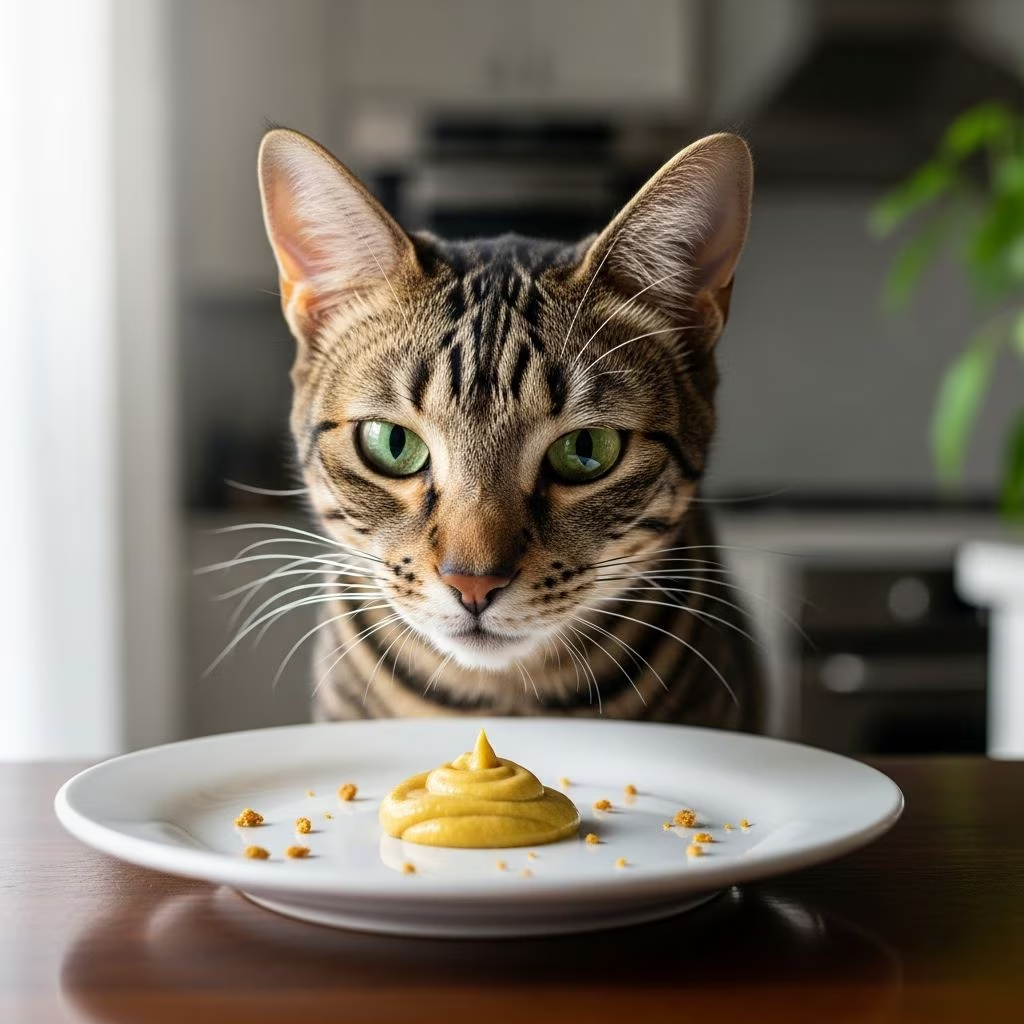
Cats should not eat mustard in any form, as it can cause gastrointestinal upset, vomiting, diarrhea, and more serious issues depending on the ingredients. While a tiny lick might not harm most cats, mustard seeds, vinegar, spices, salt, and potential additives like garlic or onion make it unsafe for felines, who are obligate carnivores with sensitive digestive systems.
The Short Answer
No, cats cannot safely eat mustard. As an obligate carnivore, your cat’s diet should consist primarily of meat-based foods, and mustard offers no nutritional value while posing health risks from its acidic, spicy, and potentially toxic components.
Why Is Mustard Bad for Cats?
Mustard, whether yellow, Dijon, or spicy brown, is made from mustard seeds ground into a paste with vinegar, water, salt, and spices. These ingredients irritate a cat’s delicate stomach lining and lack the enzymes cats need to digest them properly.
- Mustard Seeds: Contain compounds like glucosinolates that can trigger gastroenteritis, leading to inflammation, vomiting, and diarrhea. Dry mustard powder is even used (though not recommended without vet guidance) to induce vomiting in pets due to its irritant effects.
- Vinegar: The high acidity upsets the stomach, causing pain, drooling, and loss of appetite.
- Spices and Salt: Excessive sodium risks dehydration or salt toxicity; spices irritate the gut.
- Hidden Dangers: Many commercial mustards include garlic or onion powder, which are toxic and can cause hemolytic anemia by damaging red blood cells.
Cats derive no benefits from mustard. It provides zero essential proteins, fats, or taurine—nutrients vital for feline health—unlike their commercial or raw meat diets.
Can Cats Eat Mustard Greens?
Mustard greens, the leafy vegetable from the same plant family, are not ideal for cats either. While not outright toxic in tiny amounts, they contain oxalates that may contribute to bladder or kidney stones if overconsumed. Cats’ carnivorous digestive systems struggle to break down plant fibers and greens effectively.
Occasional small nibbles might pass without issue for some cats, but they offer minimal nutrition compared to cat-safe veggies like cooked pumpkin. Always introduce new foods gradually and consult a vet, especially for cats prone to urinary issues.
Can Cats Eat Yellow Mustard?
Yellow mustard, the mildest variety made primarily from yellow mustard seeds, vinegar, turmeric, and salt, is still unsafe. Though less spicy than brown or Dijon mustards, its seeds can cause indigestion, and additives like salt and vinegar lead to diarrhea or vomiting.
No type of table mustard is recommended; even ‘natural’ versions without garlic/onion carry risks from acidity and irritants.
Symptoms of Mustard Poisoning in Cats
If your cat ingests mustard, watch for these signs, which can appear within minutes to hours:
- Excessive drooling or pawing at the mouth
- Vomiting (possibly yellow or foamy)
- Diarrhea
- Abdominal pain (hunched posture, whining)
- Lethargy or loss of appetite
- Dehydration (dry gums, sunken eyes)
- In severe cases: tremors, difficulty breathing, or anemia symptoms from garlic/onion (pale gums, weakness)
Symptoms are usually mild and self-limiting with small amounts, but sensitive cats, kittens, or seniors may react strongly.
What to Do If Your Cat Eats Mustard
Don’t panic if it’s a small lick—many cats recover quickly. However, act promptly:
- Remove Access: Prevent further ingestion.
- Monitor Closely: Note symptoms and timing.
- Hydrate: Offer fresh water; avoid forcing food.
- Contact a Vet: Call your veterinarian or an animal poison hotline (e.g., ASPCA at 888-426-4435) immediately, especially if symptoms worsen or large amounts were eaten. Provide mustard type and quantity.
- Never Induce Vomiting: Home remedies like mustard powder or hydrogen peroxide can cause more harm without professional advice.
Treatment may involve fluids, anti-nausea meds, or monitoring. Most cases resolve within 24-48 hours with supportive care.
How Much Mustard Is Toxic to Cats?
There’s no exact ‘safe’ threshold—toxicity varies by cat size, health, and mustard type. A lick (under 1 tsp) often causes only mild upset, but 1-2 tablespoons can lead to severe vomiting/diarrhea. Mustard with garlic/onion is riskier even in tiny amounts due to cumulative toxicity.
| Mustard Amount | Potential Effects | Action Needed |
|---|---|---|
| Tiny lick (<1 tsp) | Mild drooling, possible vomit | Monitor at home |
| 1-2 tsp | Vomiting, diarrhea, pain | Call vet |
| 1+ tbsp or with garlic/onion | Severe symptoms, anemia risk | Emergency vet visit |
Cats and Human Foods: Safe Alternatives to Mustard
Skip human condiments; opt for cat-safe treats comprising <10% of their diet:
- Commercial cat treats or kibble
- Plain cooked meat (chicken, turkey—unseasoned)
- Fish like salmon (cooked, boneless, occasional)
- Catnip or silver vine for fun
- Veggies: steamed carrot, green beans (small amounts)
Always check labels and introduce slowly to avoid allergies.
Conclusion
Mustard tantalizes human taste buds but spells trouble for cats due to its irritants and lack of feline nutritional value. Keep it off counters and plates to prevent mishaps. A meat-rich, vet-approved diet keeps your cat thriving—when in doubt, consult your veterinarian for personalized advice. Your furry companion will thank you with purrs and playfulness.
Frequently Asked Questions (FAQs)
Is mustard toxic to cats?
Mustard isn’t directly poisonous but can cause severe gastrointestinal distress; varieties with garlic/onion are truly toxic.
What happens if a cat licks mustard?
Expect drooling, vomiting, or diarrhea; monitor and contact a vet if symptoms persist.
Can cats eat honey mustard?
No—honey adds sugar risks, plus standard mustard hazards.
Is Dijon mustard safe for cats?
No, it’s spicier with wine/vinegar, worsening irritation.
How do I prevent my cat from eating mustard?
Store food securely, feed in separate rooms, and use puzzle feeders for distraction.
References
- Can Cats Eat Mustard? Benefits and Risks — Dial A Vet. 2023. https://www.dialavet.com/blog/can-cats-eat-mustard
- Can Cats Eat Mustard? Safety & Health Guide — Zoorithm. 2024. https://www.zoorithm.com/cats/can-cat-eat-mustard
- Can Cats Eat Mustard? Vet-Verified Health & Safety Guide — Hepper. 2024. https://articles.hepper.com/can-cats-eat-mustard/
- Can Cats Eat Mustard? Vet-Verified Risks & Precautions — Catster. 2024. https://www.catster.com/nutrition/can-cats-eat-mustard/
- Can Cats Eat Mustard? Vet-Verified Facts — Huston Veterinary Clinic. 2023. https://hustonveterinary.com/can-cats-eat-mustard/
- Dangerous Foods for Pets — Pureform Pet Health. 2024. https://pureformpethealth.com/blogs/pureform-pet-care/dangerous-foods-for-pets



