

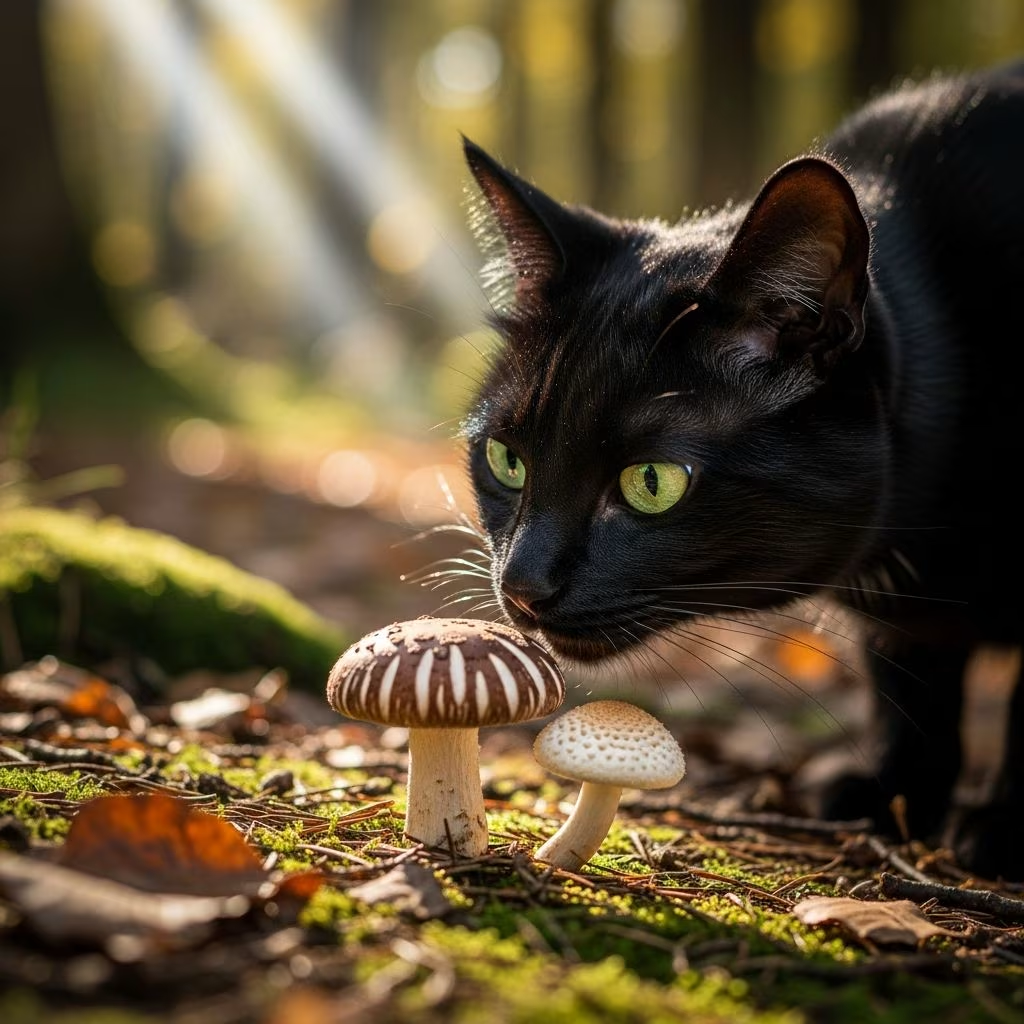
Cats are obligate carnivores, thriving primarily on animal-based proteins, but many owners wonder if mushrooms can be a safe occasional treat. The answer depends on the type: common store-bought mushrooms like white button, portobello, and shiitake are generally safe in small amounts, while wild or certain specialty mushrooms pose serious risks, including toxicity that can lead to liver failure or death. This comprehensive guide covers safe varieties, dangers, nutritional benefits, preparation methods, symptoms of poisoning, and expert advice to keep your cat healthy.
Are Mushrooms Safe for Cats?
Store-bought mushrooms are typically safe for cats when fed plainly and in moderation, offering minor nutritional perks without major harm. However, wild mushrooms found in yards, forests, or parks can be deadly, containing toxins that affect the liver, kidneys, and nervous system. Veterinary experts emphasize that while safe mushrooms won’t kill your cat, they aren’t essential to a feline diet and could encourage foraging for dangerous types. Always prioritize commercial varieties from reputable sources to minimize risks.
Types of Mushrooms Safe for Cats
Not all mushrooms are created equal for feline consumption. Stick to these proven safe options, available at grocery stores:
- White button mushrooms: Mild flavor, low in calories, and easily digestible when cooked.
- Portobello mushrooms: Larger caps provide texture; safe in tiny portions.
- Shiitake mushrooms: Contain antioxidants; offer in small, cooked slices.
- Cremini (baby bella): Similar to white buttons, nutrient-rich with fiber.
These varieties lack the potent toxins found in wild species and can be occasional treats comprising no more than 10% of a meal. Avoid exotic or dried mushrooms unless vet-approved, as processing can concentrate compounds cats tolerate poorly.
Toxic Mushrooms for Cats
Wild mushrooms represent the greatest danger, with over 10,000 species in the UK alone, many unidentified and poisonous. Key toxic types include:
- Amanita phalloides (Death Cap): Causes rapid liver and kidney failure; even small amounts are fatal.
- Amanita muscaria (Fly Agaric): Induces hallucinations, tremors, seizures, and gastrointestinal distress.
- Psilocybin (Magic Mushrooms): Triggers neurological symptoms like disorientation, vocalization, and seizures.
- Inocybe and Clitocybe species: Muscarine toxin leads to salivation, vomiting, and organ damage.
These grow commonly in woodlands, gardens, and lawns, especially after rain. Cats may nibble curiously, but symptoms can appear within hours or days, often too late for full recovery. Landscape with pet-safe plants and fence off wild areas to prevent access.
Health Benefits of Mushrooms for Cats
While not a dietary staple, safe mushrooms provide trace benefits backed by veterinary nutrition insights:
- Antioxidants and vitamins: Beta-glucans in shiitake support immune function.
- Amino acids: Aid brain, eye, and heart health.
- Anti-inflammatory properties: Help with arthritis or IBD in senior cats.
- Fiber: Promotes digestion in small doses.
Some pet supplement companies offer mushroom extracts for immune boosting, but whole mushrooms should be limited. Cats derive no significant protein from fungi, so they complement—not replace—high-quality kibble or wet food. Overfeeding risks digestive upset without proportional gains.
Risks and Dangers of Feeding Mushrooms to Cats
Beyond toxicity, even safe mushrooms carry caveats:
- Digestive issues: Raw or excessive amounts cause vomiting, diarrhea, or bloating due to chitin (tough fiber).
- Bacterial contamination: Raw store mushrooms may harbor pathogens.
- Seasoning hazards: Salt, garlic, onions, or butter in cooked dishes lead to sodium poisoning or anemia.
- Foraging behavior: Tasty treats may train cats to seek wild fungi.
Obligate carnivores like cats process plants inefficiently; mushrooms offer minimal calories (about 20 per 100g) and no taurine, essential for heart health. Monitor for allergies: rare but possible itching or lethargy.
How to Prepare Mushrooms for Cats
To safely offer mushrooms, follow these vet-recommended steps:
- Wash thoroughly: Remove dirt and potential pesticides.
- Cook plainly: Boil, steam, or sauté without oils, salts, or spices to break down fibers and kill bacteria.
- Slice small: Cut into tiny, bite-sized pieces to prevent choking.
- Cool completely: Serve at room temperature.
- Limit portions: Start with 1-2 teaspoons; no more than once weekly.
Table: Safe Preparation Methods
| Method | Pros | Cons | Best For |
|---|---|---|---|
| Boiling | Kills bacteria, softens texture | Nutrient loss in water | All safe varieties |
| Steaming | Retains nutrients | Takes longer | Shiitake, portobello |
| Sautéing (no oil) | Enhances flavor mildly | Risk of overcooking | White button |
Avoid raw, canned with additives, or mixed dishes like pizza toppings.
Can Cats Eat Raw Mushrooms?
Raw mushrooms are riskier than cooked ones. Cats can technically eat small amounts of raw store-bought varieties, but the tough chitin is hard to digest, potentially causing GI upset or bacterial issues. Cooking neutralizes these concerns, making it the safer choice. Never offer raw wild mushrooms, as toxins remain active.
Can Cats Eat Cooked Mushrooms?
Yes, cooked mushrooms are preferable, provided they’re plain and from safe types. Boiling or steaming improves digestibility and palatability without introducing harms. Steer clear of human recipes containing toxic additives.
Can Cats Eat Canned Mushrooms?
Canned mushrooms are okay if packed in water without salt, preservatives, or flavors, but fresh-cooked is ideal to avoid excess sodium. Rinse thoroughly and offer sparingly, as processing may reduce nutritional value.
How Many Mushrooms Can Cats Eat?
No universal amount exists due to varying cat sizes and tolerances, but limit to a small slice or two (under 10g) occasionally—not daily. Treats should never exceed 10% of calories; consult a vet for personalized advice based on weight and health.
Symptoms of Mushroom Poisoning in Cats
If your cat ingests toxic mushrooms, watch for:
- Early (0-6 hours): Vomiting, diarrhea, drooling, abdominal pain.
- Neurological (6-24 hours): Tremors, seizures, hallucinations, incoordination.
- Late (24+ hours): Liver failure signs like jaundice, lethargy, bleeding.
Act fast: Induce vomiting only if vet instructs, then seek emergency care with a mushroom sample or photo.
What to Do If Your Cat Eats a Mushroom
Don’t panic for safe types, but monitor 24-48 hours. For unknowns or wild:
- Remove access and note details (type, amount, time).
- Call vet or poison hotline immediately.
- Avoid home remedies like milk or hydrogen peroxide.
- Provide supportive care as directed (IV fluids, activated charcoal).
Prognosis improves with early intervention; some toxins have no antidote.
Frequently Asked Questions
Are store-bought mushrooms safe for cats?
Yes, white button, portobello, and similar varieties are safe in moderation when plain and cooked.
Can cats eat wild mushrooms?
No, many are highly toxic and potentially fatal; always prevent access.
Are magic mushrooms safe for cats?
Absolutely not; psilocybin causes severe neurological damage—seek vet help if ingested.
Do mushrooms benefit cat health?
Safe ones offer minor antioxidants and fiber, but they’re not essential.
How often can I give my cat mushrooms?
Occasionally as a treat, not weekly, to avoid GI issues.
References
- Mushroom Toxicity — VCA Animal Hospitals. 2023-05-15. https://vcahospitals.com/know-your-pet/mushroom-toxicity
- Can Cats Eat Mushrooms? — WagWalking. 2024-02-10. https://wagwalking.com/wellness/can-cats-eat-mushrooms
- Can Cats Eat Mushrooms? — BasePaws. 2023-11-20. https://basepaws.com/blog/can-cats-eat-mushrooms
- Can Cats Eat Mushrooms? — Cats.com. 2024-01-05. https://cats.com/can-cats-eat-mushrooms
- Can Cats Eat Mushrooms? — Pet Poison Helpline. 2023-08-12. https://www.petpoisonhelpline.com/pet-tips/can-cats-eat-mushrooms/



