

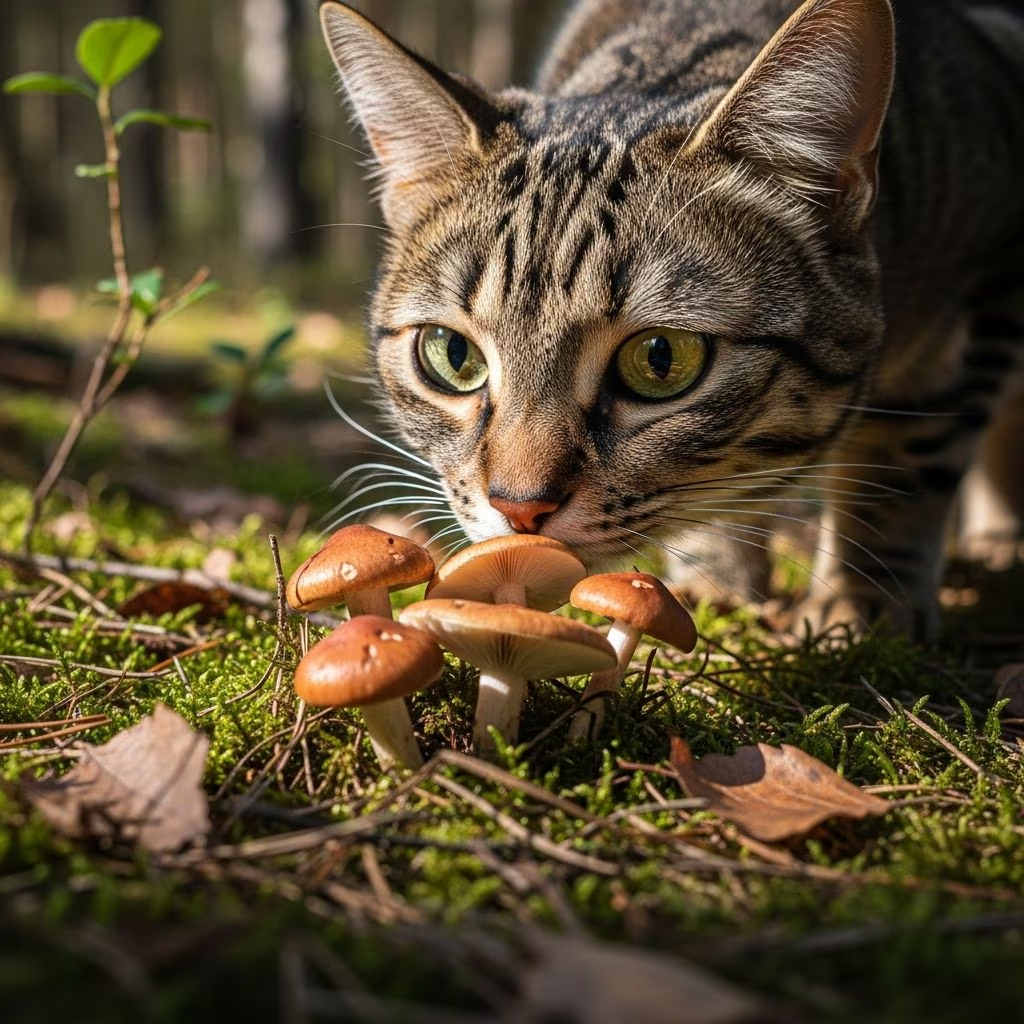
Can Cats Eat Mushrooms?
The answer to whether cats can eat mushrooms is both yes and no. While certain store-bought mushrooms are safe for cats in moderation, many wild and toxic varieties can cause serious harm or even be fatal. As a responsible cat owner, understanding which mushrooms are safe and how to prepare them is essential for protecting your feline companion’s health.
Which Mushrooms Are Safe for Cats?
Several common, store-bought mushroom varieties are generally safe for cats when prepared properly. These safe options include:
- White button mushrooms
- Cremini mushrooms
- Portobello mushrooms
- Shiitake mushrooms
These varieties can be offered to your cat occasionally as treats, provided they are plain, cooked, and served in small portions. However, it’s important to note that while these mushrooms are technically safe, they do not offer significant nutritional benefits to cats, who are obligate carnivores requiring primarily animal protein.
Toxic Mushrooms Your Cat Must Avoid
Certain mushroom varieties are extremely poisonous to cats and can cause severe illness or death, even in small amounts. The most dangerous toxic mushrooms include:
- Amanita phalloides (death cap mushrooms)
- Amanita muscaria
- Psilocybin mushrooms (magic mushrooms)
- Other wild mushroom varieties
Wild mushrooms are particularly hazardous because they grow in yards, gardens, and outdoor areas where cats may encounter them. Amanita mushrooms are especially dangerous as they cause liver failure, which can be deadly. If your cat has access to outdoor spaces, it’s crucial to safely dispose of any mushrooms growing in your yard to prevent accidental ingestion.
Raw vs. Cooked Mushrooms: Which Is Better?
When offering mushrooms to your cat, preparation method matters significantly for safety and digestibility.
Raw Mushrooms
While cats can technically eat raw mushrooms, this is not the recommended approach. Raw mushrooms present several risks:
- Difficult for cats to digest
- May contain surface bacteria or mold
- Could have come in contact with harmful substances like raw meat or dairy
- May cause gastrointestinal irritation
If your cat accidentally ingests a raw store-bought mushroom from your plate, there’s generally no need for concern, but it’s best to monitor them for 24 hours.
Cooked Mushrooms
Cooked mushrooms are significantly safer for cats than raw varieties. Cooking provides several benefits:
- Breaks down tough fibers for easier digestion
- Kills bacteria and pathogens
- Makes nutrients more bioavailable
- Reduces digestive upset risk
To safely prepare cooked mushrooms for your cat, wash them thoroughly and boil them in plain water without any added spices, seasonings, butter, or oils. Allow the cooked mushrooms to cool completely, then slice them into small, manageable pieces before serving.
How to Safely Prepare Mushrooms for Your Cat
If you decide to offer mushrooms to your cat, following proper preparation guidelines is essential:
- Select only store-bought mushroom varieties known to be safe
- Wash mushrooms thoroughly under running water
- Boil in plain water with no added ingredients
- Allow to cool completely before handling
- Cut into small, bite-sized pieces
- Serve in small portions as an occasional treat
Ingredients to Avoid When Preparing Mushrooms for Cats
Many common cooking ingredients are harmful to cats and should never be used when preparing mushrooms for your feline companion:
- Garlic and onions: Toxic to cats and can cause damage to red blood cells
- Butter and oils: Can upset your cat’s stomach
- Salt and spices: Unnecessary for cats and can cause digestive issues
- Seasonings: Most seasoning blends contain ingredients harmful to cats
- Sauces: Often contain garlic, onions, or salt
Never offer your cat mushrooms from seasoned dishes like pizza, stir-fry, or other prepared foods. Additionally, what is safe for dogs is not always safe for cats, so avoid assuming that dog-friendly mushroom products are appropriate for your feline.
How Many Mushrooms Can Your Cat Eat?
There is no specific “safe” amount of mushrooms for cats due to the wide variety of mushroom species and individual cat variations. However, general guidelines suggest:
- Mushrooms should not be a regular part of your cat’s diet
- Offer only as an occasional treat, approximately once monthly or less
- Provide only a couple of mushroom caps per serving
- Monitor for any signs of digestive upset
Cats are obligate carnivores and should derive their nutrition primarily from high-quality animal proteins. Mushrooms can be given occasionally without causing harm, but they should never form a significant portion of your cat’s diet.
Health Benefits of Mushrooms for Cats
While mushrooms are not necessary for cats, certain safe varieties do offer some nutritional benefits when consumed in moderation:
- Amino acids: Support brain, eye, and heart health
- Fiber: Aids digestive health
- Vitamins and antioxidants: Support overall immune function
- Anti-inflammatory compounds: May help cats with arthritis or inflammatory bowel disease
Some pet companies even sell mushroom supplements formulated specifically for cats and dogs to improve health and prevent disease. However, consult your veterinarian before introducing any supplements to your cat’s diet.
Signs of Mushroom Poisoning in Cats
If your cat ingests a toxic mushroom, symptoms can vary depending on the type and amount consumed. Watch for these warning signs:
- Severe vomiting or diarrhea
- Agitation or restlessness
- Decreased appetite and lethargy
- Excessive drooling
- Tremors or sensitivity to stimuli
- Disorientation or confusion
- Seizures
- Bleeding from mouth, nose, or other orifices
- Hallucinations (with psilocybin mushrooms)
If you suspect your cat has ingested a toxic mushroom, do not attempt to induce vomiting at home, as this is unsafe for cats. Instead, contact your veterinarian immediately or call the ASPCA Animal Poison Control Center at 888-426-4435 for life-saving guidance. Emergency veterinary care is often necessary for mushroom toxicity cases.
Special Considerations for Magic Mushrooms
Psilocybin mushrooms, commonly known as magic mushrooms, are highly toxic to cats and should never be consumed. These mushrooms contain psilocybin, a hallucinogenic substance that can cause:
- Hallucinations
- Tremors and muscle weakness
- Seizures
- Sensitivity to touch and sound
- Vocalization and agitation
- Nausea and disorientation
If you believe your cat has ingested magic mushrooms, seek immediate veterinary care as this is a serious medical emergency.
Can Cats Eat Canned or Tinned Mushrooms?
Canned mushrooms stored in water may be safe for cats in small amounts, provided they are a safe variety. However, avoid tinned mushrooms that contain:
- Preservatives
- Added salt or sodium
- Artificial flavorings
- Sauce or liquid with seasonings
Always rinse canned mushrooms thoroughly under clean water to remove excess salt and preservatives before offering them to your cat.
Why Some Vets Advise Against Feeding Mushrooms
Many veterinarians caution against regularly feeding mushrooms to cats for several reasons:
- Mushrooms offer no significant nutritional benefit to obligate carnivores
- They may encourage cats to seek out and consume wild mushrooms
- The risk of accidental toxic mushroom consumption increases if cats associate mushroom scent with food
- Better protein sources exist for cats
- Individual cats may have sensitivities or digestive issues
If you choose to offer mushrooms despite these considerations, do so sparingly and only under veterinary guidance.
Keeping Your Yard Safe From Wild Mushrooms
Preventing access to wild mushrooms is one of the most important steps you can take to protect your cat. Consider these safety measures:
- Regularly inspect your yard and garden for mushrooms
- Safely remove and dispose of any mushrooms growing in your outdoor spaces
- Keep cats indoors or in enclosed outdoor spaces where mushrooms cannot grow
- If mushrooms frequently appear in your yard, consult a lawn care professional about treatment options
- Educate family members and visitors about the dangers of wild mushrooms
Frequently Asked Questions
Q: Are all mushrooms toxic to cats?
A: No, not all mushrooms are toxic. Common store-bought varieties like white button, cremini, portobello, and shiitake mushrooms are generally safe for cats in small amounts. However, many wild mushrooms are extremely toxic and can be fatal, so it’s best to avoid all wild varieties.
Q: What should I do if my cat eats a wild mushroom?
A: Contact your veterinarian or the ASPCA Animal Poison Control Center immediately at 888-426-4435. Do not attempt to induce vomiting at home. Seek emergency veterinary care as soon as possible, as some wild mushrooms can be fatal.
Q: Can I give my cat mushroom supplements?
A: Some pet companies sell mushroom supplements for cats, but consult your veterinarian first to ensure they are appropriate for your individual cat and to determine proper dosing.
Q: Is it safe to give my cat mushrooms from my dinner plate?
A: Only if the mushroom is a safe variety and was prepared without garlic, onions, butter, oils, or seasonings. Monitor your cat for 24 hours afterward. It’s generally better to avoid this practice.
Q: How often can I feed my cat mushrooms?
A: Mushrooms should be offered very occasionally, approximately once monthly or less, and only in small portions. They are not necessary for a cat’s diet and should not be a regular feature.
Q: Are mushroom benefits worth the risk?
A: For most cats, the minimal nutritional benefits do not outweigh the potential risks, particularly the risk of encouraging cats to eat wild mushrooms. Focus on providing balanced, cat-appropriate nutrition instead.
References
- Can Cats Eat Mushrooms? What Every Cat Owner Should Know First — Fully Healthy. 2024. https://fullyhealthy.com/blogs/news/can-cats-eat-mushrooms
- Can Cats Eat Mushrooms? — Wag Walking. 2024. https://wagwalking.com/wellness/can-cats-eat-mushrooms
- Fungi for Felines: Can Cats Eat Mushrooms? — Lolahemp. 2024. https://lolahemp.com/blogs/cat-health/can-cats-eat-mushrooms
- Can Cats Eat Mushrooms? — Cats.com. 2024. https://cats.com/can-cats-eat-mushrooms
- Can Cats Eat Mushrooms? — Basepaws. 2024. https://basepaws.com/blog/can-cats-eat-mushrooms
- Can Cats Eat Mushrooms? — Whisker. 2024. https://www.whisker.com/blog/can-cats-eat-mushrooms
- Mushroom Toxicity — VCA Animal Hospitals. 2024. https://vcahospitals.com/know-your-pet/mushroom-toxicity
- Can Cats Eat Mushrooms? — Pet Poison Helpline. 2024. https://www.petpoisonhelpline.com/pet-tips/can-cats-eat-mushrooms/



