

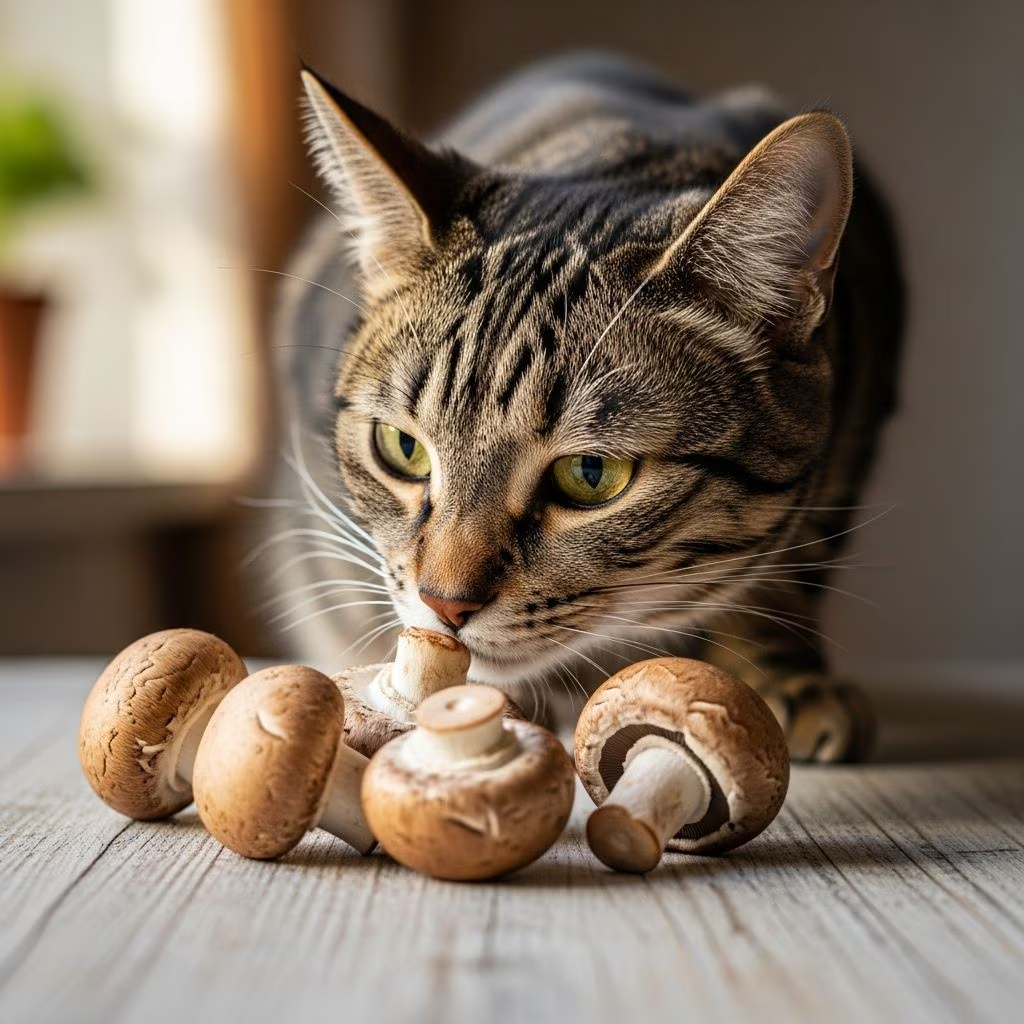
Can Cats Eat Mushrooms? Vet-Verified Facts, Risks & FAQ
As a cat owner, you may wonder whether it’s safe to share your food with your feline companion. Mushrooms are a common ingredient in many dishes, and your curious cat might show interest in them. The straightforward answer is that some store-bought mushrooms can be safe for cats to taste in very small quantities, but most cats prefer meat-based snacks, and mushrooms are not suitable as a regular part of your cat’s diet. If you decide to share a small piece of mushroom with your cat, speak to a vet first and serve it cooked without any seasonings.
Are Mushrooms Safe for Cats?
The safety of mushrooms for cats depends entirely on the type of mushroom in question. Store-bought mushrooms from grocery stores are generally safe for cats in small quantities, but wild mushrooms pose serious risks. Understanding the difference between safe and toxic varieties is crucial for protecting your feline friend.
Plain, cooked mushrooms are safe for your cat, but you must proceed with caution. When cooking them, don’t add other ingredients like onions, garlic, or spices, as these ingredients aren’t safe for your cat’s consumption. To safely serve mushrooms, wash them thoroughly, boil them in water without additional spices, let them cool, and slice them into smaller sizes before serving. The safest mushrooms for your cat are the ones bought from the store.
Safe Mushroom Varieties for Cats
If you’re looking to give your cat a mushroom treat, several varieties are considered safe when obtained from reputable grocery stores. Any variety that you’d use in your kitchen is also safe for cats. The following mushrooms are safe options:
- White button mushroom
- Portobello mushroom
- Maitake mushroom
- Shiitake mushroom
- Cremini mushroom
- Hedgehog mushroom
- Enoki mushroom
- Oyster mushroom
Besides being non-toxic, these mushrooms are a source of beneficial nutrients like B vitamins and minerals. Mushrooms are rich in amino acids, selenium, vitamin B, and antioxidants. However, it’s important to understand that while mushrooms contain these nutrients, your cat’s primary nutritional needs should be met through high-quality animal protein sources.
Toxic Mushrooms to Avoid
While some mushrooms are safe, others are extremely dangerous and can be fatal to cats even in small amounts. Wild mushrooms are particularly hazardous, and some of these toxic mushrooms, like death cap mushrooms (Amanita phalloides) and Amanita muscaria, are extremely poisonous to cats. These are among the most dangerous mushrooms and can cause severe poisoning with potentially fatal consequences.
Never offer raw mushrooms from outside to your cats. Cats eat raw mushrooms out of curiosity, but wild ones may cause mushroom toxicity. The problem with wild mushrooms is that there are hundreds of varieties, many of which are difficult to identify correctly. Even experienced foragers can make fatal mistakes, so it’s best to assume all wild mushrooms are dangerous.
It’s also important not to let your cat eat mushrooms that come with human food dishes. Don’t let them eat mushrooms from dishes like pizza or stir-fry, as these often contain harmful ingredients.
How to Serve Mushrooms to Cats Safely
If you’ve consulted with your veterinarian and decided that mushrooms are appropriate for your cat, proper preparation is essential. Cooked mushrooms are safer than raw mushrooms. Cooking breaks down tough fibers and kills bacteria. Raw mushrooms may have mold or bacteria on them and are harder to digest.
When preparing mushrooms for your cat, follow these guidelines:
- Cook mushrooms thoroughly by boiling in plain water
- Allow them to cool completely before serving
- Slice into small, manageable pieces
- Serve plain mushrooms with no seasonings, sauces, or added ingredients
- Avoid any mushroom dishes containing garlic, onions, or other human food harmful for cats
If your cat loses their whiskers every time you’re making creamy mushroom soup, consider giving them a taste—but only if it’s been prepared according to these safety guidelines and you’ve consulted your veterinarian first.
Ingredients to Avoid When Preparing Mushrooms for Cats
Certain ingredients commonly used with mushrooms are toxic to cats and should always be avoided. Skip salt and sauces, as these can lead to kidney problems or sodium poisoning. No flavored mushroom dishes should be given to cats, as mushrooms on pizza or with herbs are not safe. Avoid feeding leftovers, as some dishes contain dairy products or spices unsafe for pets.
The safest approach is to prepare plain, boiled mushrooms using only water, with no additional seasonings whatsoever. This ensures your cat receives only the mushroom itself without any potentially harmful additives.
Proper Portion Sizes for Cats
When considering how many mushrooms to give your cat, moderation is key. Watch the quantity carefully—keep it to a small piece, no more than 10% of your cat’s meal. In fact, mushrooms can be given to your cat every once in a while as a treat and shouldn’t form a significant part of your cat’s diet.
Cats are obligate carnivores and should have a diet of high-quality animal protein and little else. That said, giving your cat a couple of caps once a month or so shouldn’t cause your cat any harm and may even benefit their health. You’ll even find companies that sell mushroom supplements for cats and dogs to improve health and prevent disease.
Due to the number of mushroom species, no specific amount of mushrooms is “safe” for cats to eat universally. The general guideline is to keep portions minimal and infrequent.
Health Benefits of Mushrooms for Cats
When served appropriately, mushrooms can offer some nutritional benefits to cats. Understanding these benefits can help you decide whether mushrooms are appropriate treats for your feline companion.
Amino Acids
Amino acids are essential nutrients in the feline diet responsible for their heart, brain, and eye function. However, it’s crucial to understand that while some plants and fungi contain non-essential and essential amino acids, their bioavailability is limited. Animal protein is the only viable source of essential nutrients, like taurine and arginine, that sustain your cat’s metabolism, so it can’t be replaced with plant protein. This means mushrooms should never be considered a substitute for meat-based proteins in your cat’s diet.
Immune System Support
Mushrooms may help boost a cat’s immune-modulating response and their ability to fight off viruses. This is because mushrooms contain beta-glucans, which are soluble fibers that help fight infection. These properties mean that mushrooms may be able to help fight off various diseases, including FIV. However, as the old saying goes, an ounce of prevention is worth a pound of cure. Vaccinating your cat against deadly diseases like FIV is always the best way to keep your cat healthy and safe.
Anti-Inflammatory Properties
Some mushrooms have anti-inflammatory compounds that help with inflammation. They’re good for cats with arthritis and inflammatory bowel disease, making them potentially beneficial for senior cats or those with specific health conditions.
Signs of Mushroom Poisoning in Cats
Despite your best efforts to keep mushrooms away from your cat, accidental ingestion can happen. Knowing the signs of mushroom poisoning is essential for prompt veterinary intervention. If your cat has eaten wild mushrooms, the Animal Poison Control Center (APCC) and the ASPCA warn you to watch out for the following signs:
Gastrointestinal Issues
Vomiting or diarrhea within a few hours of consumption should be a warning sign that you need to contact your vet. Mild cases can resolve themselves in time, but severe cases can cause dehydration and electrolyte imbalances. If your cat eats excess mushrooms, it will lead to gastrointestinal upset, and your cat will show signs like lethargy, diarrhea, and vomiting.
Serious Toxicity Symptoms
A cat that has ingested psilocybin mushrooms can display various symptoms, including hallucinations, tremors, sensitivity, vocalization, nausea, disorientation, and seizures. Contact your vet immediately if you believe your cat has ingested psilocybin mushrooms. While mushrooms have health benefits for your cat, the biggest threat comes with wild mushrooms. If your cat eats them, it will lead to liver and kidney failure.
Why Wild Mushrooms Are Dangerous
Trying human food can be risky—accidental ingestion of toxic mushrooms can lead to liver failure, neurological damage, or death. The concern is also that feeding your cat mushrooms might encourage them to eat dangerous wild mushrooms. It’s also a question of whether it’s a good idea to feed your cat mushrooms, as it might encourage them to eat dangerous wild mushrooms.
Raw vs. Cooked Mushrooms
A common question cat owners ask is whether it’s safe to feed their cats raw mushrooms. Yes, it’s safe for cats to eat raw mushrooms. That said, it’s safer to feed your cat cooked mushrooms—raw mushrooms are harder for cats to digest. Plus, raw mushrooms may have come in contact with raw meat, dairy products, or toxins that might make your cat sick.
Some domesticated cats might try to eat mushrooms raw, but it’s better to give them cooked mushrooms. Raw mushrooms may have mold or bacteria on them and are harder to digest. Cats eat raw mushrooms out of curiosity, but these can cause gastrointestinal irritation or bacterial contamination risk.
Important Safety Considerations
There are several important factors to keep in mind when considering mushrooms for your cat. The texture of cooked mushrooms feels like meat, which can make them appealing to cats. Cats explore with their mouth, especially curious kittens or indoor cats. This natural curiosity makes it important to prevent access to any mushrooms your cat might find.
If your cat eats a cooked mushroom off your dinner plate, you probably don’t need to worry about their health, provided that the mushroom isn’t cooked in sauce containing garlic, onions, or other human food harmful for cats. Keep an eye on your cat for the next 24 hours to be safe.
Don’t confuse dog mushrooms—what’s safe for dogs isn’t always safe for cats. Different species have different metabolisms and tolerances, so recommendations for one pet may not apply to another.
When to Contact Your Veterinarian
Before introducing mushrooms into your cat’s diet, it’s essential to consult with your veterinarian. This is especially important if your cat has any pre-existing health conditions or is taking medications. Your vet can provide personalized advice based on your individual cat’s health status and dietary needs.
If you suspect your cat has eaten wild mushrooms or is showing any symptoms of poisoning, contact your veterinarian immediately or call an animal poison control center. Time is critical in cases of mushroom toxicity, and prompt treatment can be life-saving.
Overall Mushroom Safety Summary
Overall, store-bought mushrooms are usually safe for cats to eat in moderation. Some cats even enjoy the taste, and mushrooms can provide a few minor health benefits. But it’s also a good idea to avoid feeding your cats mushrooms on a regular basis. Mushrooms aren’t a part of a cat’s ordinary diet, and your cat might be encouraged to eat potentially dangerous wild mushrooms if they associate the smell with food. If you want to feed your mushrooms, do so as an occasional treat.
Frequently Asked Questions (FAQs)
Q: Can cats eat store-bought mushrooms?
A: Yes, common store-bought mushrooms like white button, portobello, and shiitake mushrooms are generally safe for cats in very small quantities when cooked plain without any seasonings or additives.
Q: What mushrooms are toxic to cats?
A: Toxic mushrooms include Amanita phalloides (death cap) and Amanita muscaria, along with many other wild mushroom varieties. Never allow your cat to eat wild mushrooms as they can be fatal even in small amounts.
Q: How should I prepare mushrooms for my cat?
A: Cook mushrooms thoroughly by boiling in plain water without any salt, spices, or sauces. Allow them to cool completely and cut into small pieces. Always consult your veterinarian before offering mushrooms to your cat.
Q: Can cats eat raw mushrooms?
A: While technically safe, cooked mushrooms are safer for cats because they’re easier to digest and cooking kills bacteria. Raw mushrooms may harbor mold or bacteria that could cause digestive upset.
Q: How often can I give my cat mushrooms?
A: Mushrooms should be given as an occasional treat only—perhaps a couple of small pieces once a month. They should never form a regular part of your cat’s diet since cats are obligate carnivores that require primarily animal protein.
Q: What are the signs my cat ate a toxic mushroom?
A: Watch for vomiting, diarrhea, lethargy, tremors, disorientation, or seizures. Contact your veterinarian or animal poison control immediately if you suspect mushroom poisoning.
Q: Are mushroom supplements safe for cats?
A: Some companies sell mushroom supplements for cats designed to improve health. Always consult your veterinarian before giving any supplements to your cat to ensure they’re appropriate for your pet’s individual health needs.
References
- Can Cats Eat Mushrooms? What Every Cat Owner Should Know First — Fully Healthy. https://fullyhealthy.com/blogs/news/can-cats-eat-mushrooms
- Can cats eat mushrooms? Let’s find out! — Untamed Cat Food. https://untamed.com/blogs/nutrition/can-cats-eat-mushrooms
- Can Cats Eat Mushrooms? — Wag! https://wagwalking.com/wellness/can-cats-eat-mushrooms
- Can Cats Eat Mushrooms? — Basepaws. https://basepaws.com/blog/can-cats-eat-mushrooms
- Can Cats Eat Mushrooms? — Now Fresh. https://nowfresh.com/en-us/blog/can-cats-eat-mushrooms
- Can Cats Eat Mushrooms? — Whisker. https://www.whisker.com/blog/can-cats-eat-mushrooms
- Can Cats Eat Mushrooms? Vet-Verified Facts, Risks & FAQ — Catster. https://www.catster.com/nutrition/can-cats-eat-mushrooms/



