

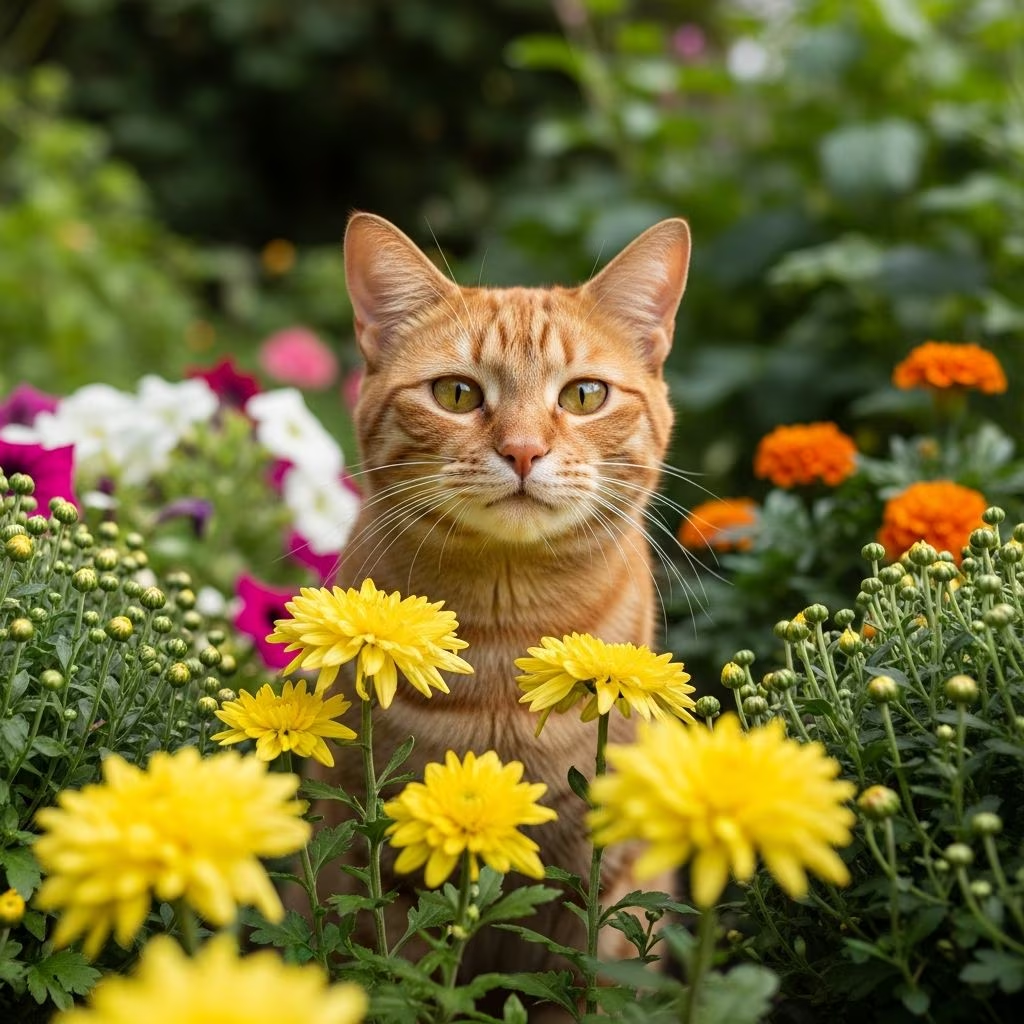
Chrysanthemums, commonly known as mums, are vibrant fall flowers that brighten gardens and homes with their colorful blooms. However, if you share your space with a curious cat, you may wonder: can cats eat mums? The short answer is no—mums are toxic to cats, and all parts of the plant pose a risk. This comprehensive guide explores the dangers of chrysanthemums for felines, drawing from veterinary expertise and poison control resources to help you protect your pet.
Are Mums Toxic to Cats?
Yes, mums are toxic to cats. Both the ASPCA and Pet Poison Helpline classify chrysanthemums as harmful to cats, dogs, and horses. These plants belong to the Compositae family and contain multiple toxic compounds that affect the gastrointestinal tract, skin, and nervous system.
The primary toxins include:
- Sesquiterpene lactones: These irritants cause inflammation in the eyes, nose, mouth, and digestive system, leading to discomfort and allergic-like reactions.
- Pyrethrins: Natural insecticides found in mums, highly toxic to cats. Even small amounts can trigger neurological symptoms, as cats lack efficient enzymes to metabolize them.
- Essential oils: These contribute to oral irritation, excessive drooling, and dermatitis upon contact.
All parts of the mum plant—leaves, stems, flowers, and sap—are dangerous. Toxicity levels are generally mild to moderate, but symptoms can escalate with larger ingestions. Cats often nibble plants out of curiosity or to aid digestion, making exposure common in households with indoor greenery.
Symptoms of Mum Poisoning in Cats
Symptoms typically appear within 2 hours of ingestion, starting mild but potentially worsening based on the amount consumed. Prompt recognition is crucial for timely intervention.
Common signs include:
- Vomiting
- Diarrhea
- Excessive drooling or hypersalivation
- Decreased appetite or anorexia
- Loss of balance or incoordination (ataxia)
- Lethargy or depression
- Skin irritation, rash, or dermatitis from sap contact
In severe cases, especially with high pyrethrin exposure, cats may experience seizures, tremors, or respiratory distress. While fatal outcomes are rare, discomfort can last days without treatment. Monitor your cat closely if they’ve been near mums, as subtle changes like reduced eating can signal early poisoning.
| Symptom | Onset Time | Severity | Associated Toxin |
|---|---|---|---|
| Vomiting/Diarrhea | 1-2 hours | Mild-Moderate | Sesquiterpene lactones |
| Drooling/Skin rash | Immediate | Mild | Essential oils |
| Incoordination/Seizures | 2-6 hours | Moderate-Severe | Pyrethrins |
This table summarizes key symptoms for quick reference, helping cat owners identify risks early.
Diagnosis of Mum Poisoning
Diagnosing mum poisoning starts at home: inspect your cat’s mouth, teeth, gums, and fur for plant debris and gently remove any visible pieces with a damp cloth. Avoid forcing the mouth open to prevent stress or bites.
Before rushing to the vet, contact poison hotlines for guidance:
- ASPCA Animal Poison Control: (888) 426-4435
- Pet Poison Helpline: (855) 764-7661
Fees apply (around $75-$100), but 24/7 experts can assess severity and advise on next steps. Bring a plant sample to the vet—leaves, flowers, or photos aid identification, as over 700 plants share similar appearances.
Veterinary diagnosis may include:
- Physical exam for dehydration, abdominal pain, or dermatitis
- Blood tests (CBC, chemistry panel) to check organ function
- Urinalysis for kidney involvement
- Fecal analysis if diarrhea persists
These rule out other conditions like infections or different toxicities. Early diagnosis improves outcomes, with most cases resolving fully.
Treatment of Mum Poisoning
Treatment focuses on symptom relief, toxin elimination, and supportive care. Vets tailor plans based on ingestion amount and symptom severity.
Standard protocols include:
- Decontamination: Inducing vomiting (if within 2 hours) using apomorphine or hydrogen peroxide (vet-administered only). Activated charcoal binds remaining toxins in the gut.
- Fluid therapy: IV or subcutaneous fluids combat dehydration from vomiting/diarrhea.
- Anti-emetics: Medications like maropitant (Cerenia) stop nausea.
- Antihistamines or steroids: For allergic reactions, skin irritation, or inflammation.
- Gastroprotectants: Sucralfate coats the stomach lining.
Hospitalization (1-2 nights) may be needed for monitoring severe cases. At home, provide a quiet space, bland food (boiled chicken/rice), and plenty of water. Most cats recover within 24-72 hours with prompt care.
Never induce vomiting at home without vet approval—cats aspirate easily.
Avoiding Mum Poisoning
Prevention is the best strategy. Remove all mums from cat-accessible areas. This includes gardens, vases, and hanging baskets—cats are expert climbers.
- Opt for cat-safe plants like spider plants, cat grass, or Boston ferns (check ASPCA lists).
- Use pet gates or cat-proof rooms for plants.
- Elevate vases high or use anti-tip planters.
- Train with deterrents: citrus sprays, aluminum foil, or motion-activated air puffs.
- Grow mums outdoors in fenced yards away from fences cats can scale.
For fall decor, choose non-toxic alternatives like sunflowers or marigolds. Educate household members on risks, especially with kids who pick flowers.
Conclusion
Mums add beauty to autumn but spell trouble for cats due to their toxic compounds. By recognizing symptoms like vomiting and drooling, seeking swift veterinary care, and opting for safe plants, you ensure your feline thrives. Always consult resources like the ASPCA for plant safety—your cat’s health is worth it.
Frequently Asked Questions (FAQs)
Q: Are all chrysanthemum varieties toxic to cats?
A: Yes, all mums (Chrysanthemum spp.) contain pyrethrins and lactones, making every variety unsafe.
Q: How much mum does it take to poison a cat?
A: Even small nibbles cause mild symptoms; larger amounts lead to severe effects. Kittens and small cats are most vulnerable.
Q: Can cats die from eating mums?
A: Fatalities are rare with prompt treatment, but untreated severe cases risk complications like dehydration.
Q: What if my cat only touched a mum plant?
A: Sap causes skin irritation; wash with mild soap and water, monitor for licking/ingestion.
Q: Are there mum-safe flea treatments for cats?
A: Avoid pyrethrin-based products; use vet-recommended alternatives like fipronil or selamectin.
References
- Toxic and Non-toxic Plants: Mum — ASPCA. Accessed 2026. https://www.aspca.org/pet-care/aspca-poison-control/toxic-and-non-toxic-plants/mum
- Plants That are Toxic to Cats — VCA Animal Hospitals. Accessed 2026. https://vcahospitals.com/know-your-pet/plants-that-are-toxic-to-cats
- Mum Plant Poisoning in Cats — WagWalking. Accessed 2026. https://wagwalking.com/cat/condition/mum-plant-poisoning



