

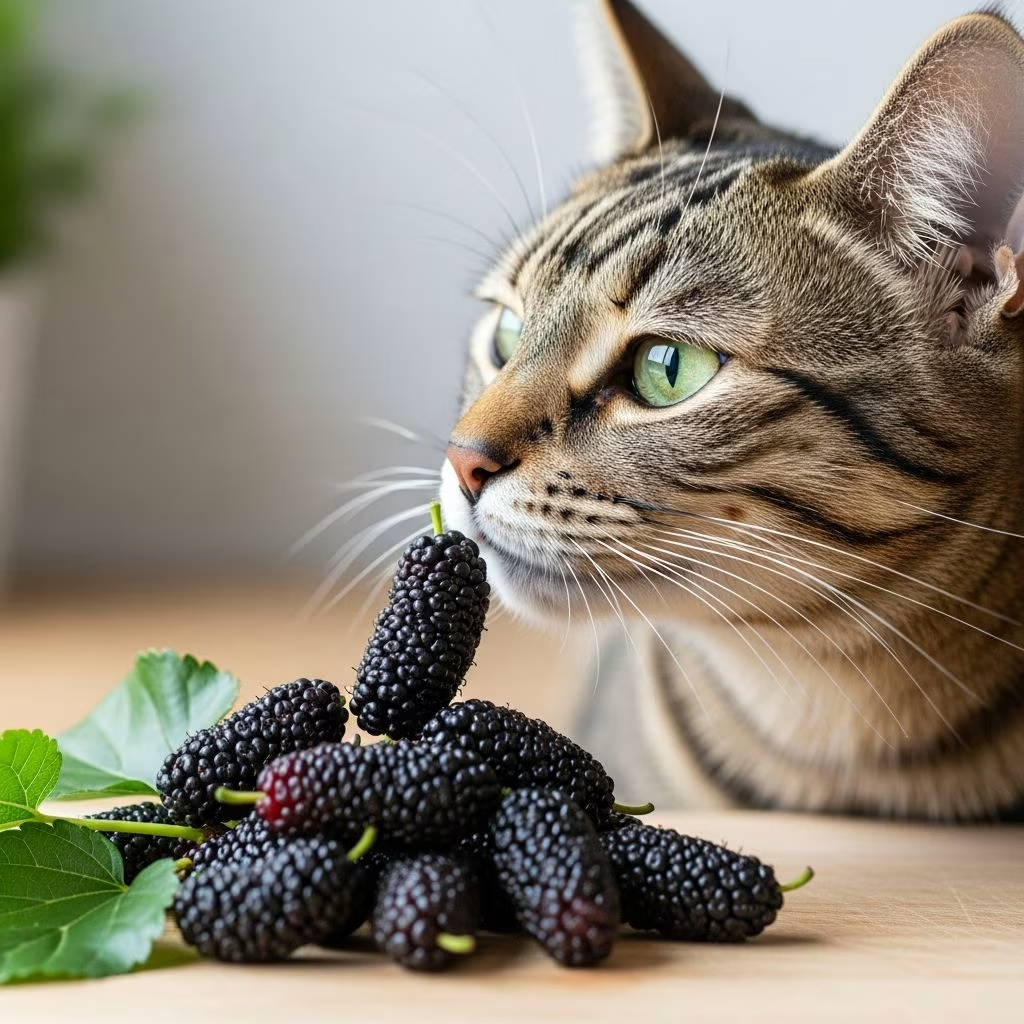
Mulberries are sweet, juicy fruits that grow on mulberry trees, ranging in color from white and red to deep purple or black. While humans enjoy them for their rich flavor and antioxidants, many cat parents wonder if these berries are safe for their feline companions. The short answer is yes, cats can eat mulberries in moderation. They are non-toxic and can provide some nutritional perks, but they should never replace a balanced cat diet.
This comprehensive guide dives into the safety, benefits, risks, and proper ways to feed mulberries to cats, drawing from veterinary insights and nutritional science on similar superfoods for felines.
What Are Mulberries?
Mulberries come from the Morus genus of deciduous trees, native to temperate regions worldwide. Unlike cultivated berries like strawberries, mulberries grow wild on trees and resemble elongated blackberries. They are harvested in late spring to summer and are known for their sweet-tart taste.
Nutritionally, mulberries are low in calories (about 43 per 100g) and packed with vitamins C and K, iron, potassium, and dietary fiber. For humans, they support immunity, digestion, and heart health due to high antioxidant levels like anthocyanins and resveratrol. Cats, as obligate carnivores, have different needs, but small amounts can offer supplementary benefits without harm.
- Types of mulberries: White (sweetest), red (tart), black (richest in antioxidants).
- Forms: Fresh, dried, or powdered; fresh is best for cats to avoid added sugars in processed versions.
- Availability: Found fresh seasonally or dried year-round in stores.
Are Mulberries Safe for Cats?
According to veterinary consensus, mulberries are safe and non-toxic for cats. The ASPCA lists mulberry trees as non-toxic to pets, with no known compounds like cyanogenic glycosides (found in some fruits) that could cause cyanide poisoning. Unlike grapes or raisins, which are nephrotoxic to cats, mulberries pose no renal risks.
However, safety depends on moderation. Cats lack the amylase enzyme to efficiently digest fruit sugars (fructose), so overfeeding can lead to digestive upset. Always introduce new foods gradually and monitor for reactions.
| Aspect | Safe? | Notes |
|---|---|---|
| Fresh mulberries | Yes | Wash thoroughly; remove stems. |
| Dried mulberries | Yes, sparingly | High sugar concentration; avoid sweetened varieties. |
| Mulberry leaves | Yes | Safe but not nutritious for cats; silkworms eat them. |
| Mulberry jam/pie | No | High sugar, xylitol, or spices harmful to cats. |
Nutritional Benefits of Mulberries for Cats
While cats derive most nutrients from meat-based proteins, mulberries offer trace benefits as an occasional treat. Their profile aligns with vet-approved superfoods like blueberries and cranberries.
- Antioxidants: Anthocyanins combat oxidative stress, supporting immune health and reducing inflammation, similar to blueberries.
- Fiber: Soluble fiber aids digestion, prevents constipation, and promotes gut bacteria balance, much like pumpkin or flaxseed.
- Vitamins: Vitamin C boosts immunity (though cats synthesize it); vitamin K supports clotting; small amounts of iron aid blood health.
- Low calorie: Ideal for weight management in overweight cats.
- Hydration: High water content (88%) helps with fluid intake.
Studies on berries for pets show they enhance overall wellness when fed alongside AAFCO-approved cat food, providing essential protein, fats, taurine, and arachidonic acid that plants can’t fully supply.
Potential Risks and Side Effects
Mulberries aren’t risk-free. Common issues stem from overfeeding or improper preparation.
- Choking hazard: Small seeds and skin can pose risks; mash or chop finely.
- Digestive upset: Excess fiber or sugar causes diarrhea, vomiting, or gas. Start with 1-2 berries.
- Pesticides: Wild or store-bought berries may have residues; always wash.
- Allergies: Rare, but watch for itching, swelling, or lethargy.
- Sugar content: Fructose can lead to obesity or diabetes in prone cats.
Kittens, seniors, or cats with conditions like IBD, diabetes, or urinary issues should avoid them or consult a vet. No evidence links mulberries to toxicity, but they’re not a cure-all.
How to Feed Mulberries to Cats
Feed mulberries as a treat: no more than 10% of daily calories. A 5kg cat needs about 200-250 calories/day; limit to 2-4 small berries.
- Select ripe, fresh berries: Firm, vibrant color; avoid moldy or unripe green ones (higher tannins).
- Wash thoroughly: Rinse under cool water; pat dry.
- Prepare: Remove stems, mash into puree, or chop small to prevent choking.
- Serve: Mix with wet food or offer alone; freeze for treats.
- Frequency: 2-3 times/week max.
Recipe idea: Mulberry Cat Treat Puree
Blend 5 mulberries + 1 tsp plain yogurt + dash pumpkin puree. Serve 1 tsp portions.
Alternatives to Mulberries for Cats
If mulberries aren’t available, try these vet-approved superfoods.
| Superfood | Benefits | Preparation |
|---|---|---|
| Blueberries | Antioxidants, fiber | Raw, whole or mashed |
| Cranberries | UTI prevention, antibacterial | Raw or supplement |
| Pumpkin | Digestion, fiber | Cooked, plain |
| Flaxseed | Omega-3s, coat health | Ground |
| Pomegranate | Vitamins, anti-inflammatory | Raw, ground |
These provide similar perks without risks.
When to See a Vet
Contact a vet if your cat shows signs after eating mulberries: persistent vomiting, bloody stool, lethargy, or breathing issues. Better safe than sorry—err on caution with new foods.
Frequently Asked Questions (FAQs)
Q: Can cats eat mulberry leaves?
A: Yes, mulberry leaves are non-toxic but offer little nutrition. They’re safe if nibbled but not a food source.
Q: Are dried mulberries okay for cats?
A: Yes, in tiny amounts. They’re concentrated in sugar, so limit to a pinch; avoid candied versions.
Q: How many mulberries can I give my cat?
A: 1-4 small berries, 2-3 times weekly, based on size. Adjust for weight and health.
Q: Do mulberries help with cat constipation?
A: The fiber can mildly help, like pumpkin. For issues, vet advice first.
Q: Can kittens eat mulberries?
A: Wait until 8-12 weeks; start smaller portions.
Final Thoughts
Mulberries can be a safe, antioxidant-rich treat for cats when fed properly. Prioritize a high-quality, meat-based diet for optimal health. Consult your vet for personalized advice, especially for special needs cats. Superfoods like these enhance life but aren’t essentials.
References
- 5 Types of Superfoods for Cats: Vet-Approved Foods to Benefit Their Health — Catster. 2024. https://www.catster.com/cat-health-care/types-of-superfoods-for-cats/
- Can Cats Eat Tacos? Vet-Verified Facts & FAQ — Catster. 2024. https://www.catster.com/nutrition/can-cats-eat-tacos/
- Essential Nutrients for Cats to Thrive — Catster (embedded in taco article). 2024. https://www.catster.com/nutrition/can-cats-eat-tacos/
- Could Vegan Cats Help Feed 70 Million People? Exploring the Veganuary Debate — Catster. 2024. https://www.catster.com/weekly-mews/could-vegan-cats-help-feed-70-million-people-exploring-the-veganuary-debate/
- Pet Nutrition Guidelines — AAFCO (referenced in Catster articles). 2024. https://www.aafco.org/



