

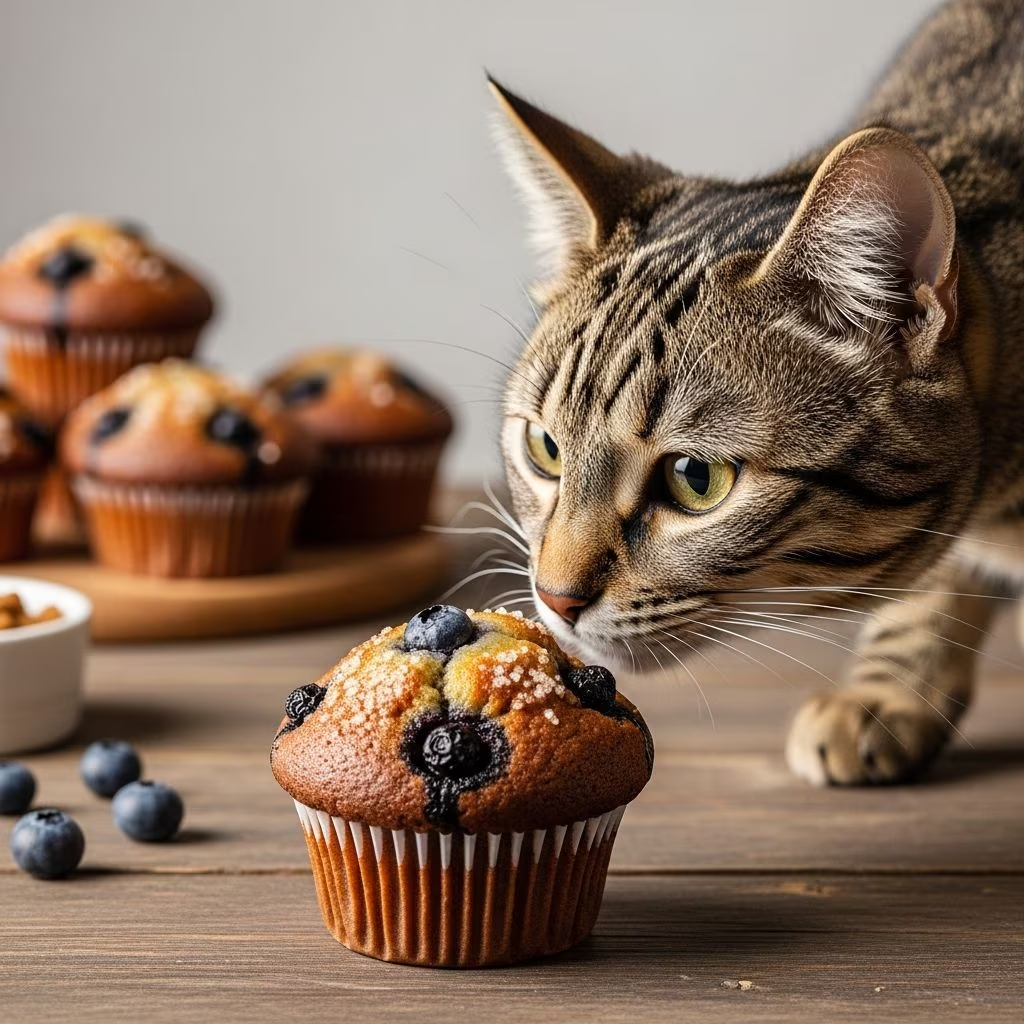
Can Cats Eat Muffins? Vet-Reviewed Risks & Safe Alternatives
Muffins contain ingredients that aren’t good and even toxic for cats, so muffins aren’t recommended for cats. While plain muffins aren’t strictly toxic, they aren’t the safest things to give to your cat. In this article, we’ll discuss why muffins aren’t suitable for cats and healthier options to consider instead.
Why Shouldn’t Cats Eat Muffins
A cat’s diet doesn’t really allow for eating items like muffins. Felines are obligate carnivores, which means they must eat meat to survive. This is why putting a cat on a vegan or vegetarian diet is dangerous. Cats must have a diet that comprises at least 70% meat, which is why their bodies can struggle to properly digest plants. Generally speaking, cats need a diet that has a high amount of protein, a moderate amount of fat, and only a minimal amount of carbohydrates.
Let’s go over what’s in a muffin to understand why they aren’t suitable for cats.
1. Sugar
Most muffins are high in sugar, which is an ingredient that cats don’t need. A diet high in sugar could lead to obesity, which, in turn, could lead to health conditions like pancreatitis or diabetes. Cats can’t taste anything sweet, anyway, so giving them something with sugar isn’t actually a treat for them. The excessive sugar in muffins serves no nutritional purpose for your feline companion and only contributes to unnecessary calorie consumption.
2. Caffeine
Some muffins, particularly coffee-flavored varieties, contain caffeine, which is toxic to cats. Caffeine can cause serious health issues including increased heart rate, restlessness, and in severe cases, cardiac arrhythmias. Always avoid offering your cat any muffin variety that contains coffee flavoring or other caffeine sources.
3. Flour
Muffins are made with flour, which makes them high in carbohydrates. A cat’s diet only requires a minimal amount of carbs, so eating a muffin might cause stomach upset. The high carbohydrate content is simply not aligned with what cats’ digestive systems are designed to process efficiently.
4. Dairy
Most muffins are made with milk. Many cats are lactose intolerant, so eating a muffin could set off an upset stomach, which can include diarrhea, bloating, gas, and vomiting. Even if your cat doesn’t have severe lactose intolerance, the dairy content in muffins can cause digestive distress.
Toxic Ingredients in Muffins for Cats
Beyond the standard problematic ingredients, certain muffin varieties contain truly dangerous substances for cats:
- Chocolate: Contains theobromine and caffeine, which are highly toxic to cats and can lead to vomiting, diarrhea, tremors, and even seizures.
- Raisins and Grapes: Even a small amount can cause kidney failure in cats, making these particularly dangerous ingredients.
- Xylitol (Artificial Sweetener): Often found in sugar-free muffins, xylitol is extremely toxic to cats and can cause a rapid drop in blood sugar, leading to weakness and potentially liver damage.
- Macadamia Nuts: These nuts can lead to lethargy, vomiting, and tremors in cats.
- Butter and Oils: The high-fat content can upset your cat’s stomach and lead to pancreatitis, a serious inflammatory condition.
- Citrus Peel: Some muffin recipes include citrus, which can be toxic to cats and cause gastrointestinal upset.
Health Risks Associated with Muffins for Cats
The risks of giving muffins to your cat are numerous and can range from mild gastrointestinal upset to serious health emergencies. Here’s what you need to know:
| Health Risk | Cause | Symptoms |
|---|---|---|
| Obesity | High sugar and calorie content | Weight gain, reduced mobility, increased health issues |
| Pancreatitis | High fat content and poor digestion | Vomiting, lethargy, abdominal pain |
| Diabetes | High sugar intake over time | Increased thirst, frequent urination, weight loss |
| Gastrointestinal Upset | Lactose intolerance and high carbs | Vomiting, diarrhea, bloating, gas |
| Kidney Failure | Raisins or grapes in muffin | Loss of appetite, lethargy, increased urination |
| Toxicity | Chocolate, caffeine, or xylitol | Varies from mild to severe depending on toxin and amount |
What Should You Do if Your Cat Eats a Muffin?
If your cat manages to eat a muffin, don’t panic immediately. The appropriate action depends on several factors:
If the Muffin Is Plain or Non-Toxic
If your cat is healthy with no known health conditions or food allergies and the muffin doesn’t contain any toxic ingredients, they will likely be fine. There is a chance of an upset stomach, though, so they might have diarrhea and vomiting. Monitor your cat closely for the next 24 hours.
If the Muffin Contains Toxic Ingredients
If your cat has any health problems or food allergies or eats a muffin with a toxic ingredient like chocolate, raisins, xylitol, or macadamia nuts, you should bring them to a vet as soon as possible. Don’t wait to see if symptoms develop—contact your veterinarian immediately for guidance on what to do next.
Steps to Take
- Identify the type of muffin and its ingredients by checking the packaging or recipe
- Monitor your cat for symptoms like vomiting, diarrhea, lethargy, tremors, or difficulty breathing
- Contact your veterinarian if the muffin contained toxic ingredients or if symptoms develop
- Bring the packaging or ingredient list to the vet for reference if needed
- Provide information about the amount of muffin consumed if possible
Safe Alternatives to Muffins for Your Cat
Instead of muffins, consider these healthier treat options that align with your cat’s nutritional needs:
- Plain cooked chicken: High in protein and easily digestible for cats
- Commercial cat treats: Specifically formulated to meet feline nutritional requirements
- Small amounts of plain cooked fish: Rich in omega-3 fatty acids and protein
- Plain cooked turkey: Another lean protein option cats typically enjoy
- Cat-specific treats: Available at pet stores and formulated for optimal feline health
- Freeze-dried meat treats: Minimal processing while maintaining nutritional value
Understanding Your Cat’s Dietary Needs
To better understand why muffins are problematic, it’s important to recognize what cats actually need nutritionally. As obligate carnivores, cats require:
- High levels of animal-based protein (amino acids like taurine are essential)
- Moderate amounts of fat for energy and nutrient absorption
- Minimal carbohydrates (unlike humans, cats have no dietary requirement for carbs)
- Specific vitamins and minerals found primarily in animal tissues
Muffins provide none of these necessary nutrients and instead contribute empty calories and potentially harmful substances.
Frequently Asked Questions (FAQs)
Q: Can my cat eat a plain muffin?
A: While a plain muffin may not be immediately toxic, it is not a healthy or appropriate treat for cats. The high sugar and fat content can still upset your cat’s stomach and contribute to weight gain and other health issues.
Q: What should I do if my cat eats a chocolate muffin?
A: If your cat eats a chocolate muffin, contact your veterinarian immediately. Chocolate is toxic to cats and can cause serious health issues including vomiting, diarrhea, tremors, and seizures. Provide your vet with information about the type of chocolate and amount consumed.
Q: Are blueberry muffins safe for cats?
A: Blueberry muffins may seem healthier, but they still contain sugar, butter, and other ingredients that are not suitable for cats. While blueberries themselves are safe in small amounts, the muffin as a whole should be avoided due to its other problematic ingredients.
Q: How can I stop my cat from eating muffins?
A: Keep muffins and other baked goods out of your cat’s reach by storing them in sealed containers or high cabinets. Training your cat to stay off counters can also help prevent accidental ingestion. Always supervise your cat when you’re enjoying baked goods.
Q: Can my cat have a taste of blueberry muffin if it’s homemade?
A: Even if a blueberry muffin is homemade, it’s not a good choice for cats. Muffins contain sugar, butter or oil, flour, and sometimes milk—all ingredients that offer no nutritional value to cats and can upset their stomachs.
Q: What are the symptoms of muffin toxicity in cats?
A: Symptoms vary depending on the toxic ingredient and amount consumed. Common signs include vomiting, diarrhea, lethargy, tremors, increased heart rate, and difficulty breathing. Seek veterinary care immediately if you notice any of these symptoms.
Q: Are there any muffins that are safe for cats?
A: Generally, it’s best to avoid all muffins for cats. There are no muffin varieties that are specifically beneficial for cats or recommended by veterinarians as treats. Stick with foods designed for feline nutrition instead.
Conclusion
If your cat eats a tiny bit of your muffin, it’s likely nothing to worry about. But if your cat eats an entire muffin and it contains a toxic ingredient, see your vet immediately. While blueberries and cranberries in muffins are fine, as they are considered safe fruits, there are other ingredients in muffins that won’t do your cat any favors. Stick with treats specifically formulated for cats and anything else that your vet suggests. This way, you can still spoil your beloved feline while keeping them healthy and safe.
References
- Can Cats Eat Muffins? Vet-Reviewed Risks & Safe Alternatives — Catster. 2024. https://www.catster.com/nutrition/can-cats-eat-muffins/
- Can Cats Eat Muffins? Vet-Reviewed Facts & Risks — Hepper. 2024. https://articles.hepper.com/can-cats-eat-muffins/
- Can Cats Eat Muffins? Dangers and Alternatives — Dial A Vet. 2024. https://www.dialavet.com/blog/can-cats-eat-muffins
- Can Cats Eat Blueberry Muffins? Vet-Verified Facts — Huston Veterinary. 2024. https://hustonveterinary.com/can-cats-eat-blueberry-muffins/



