

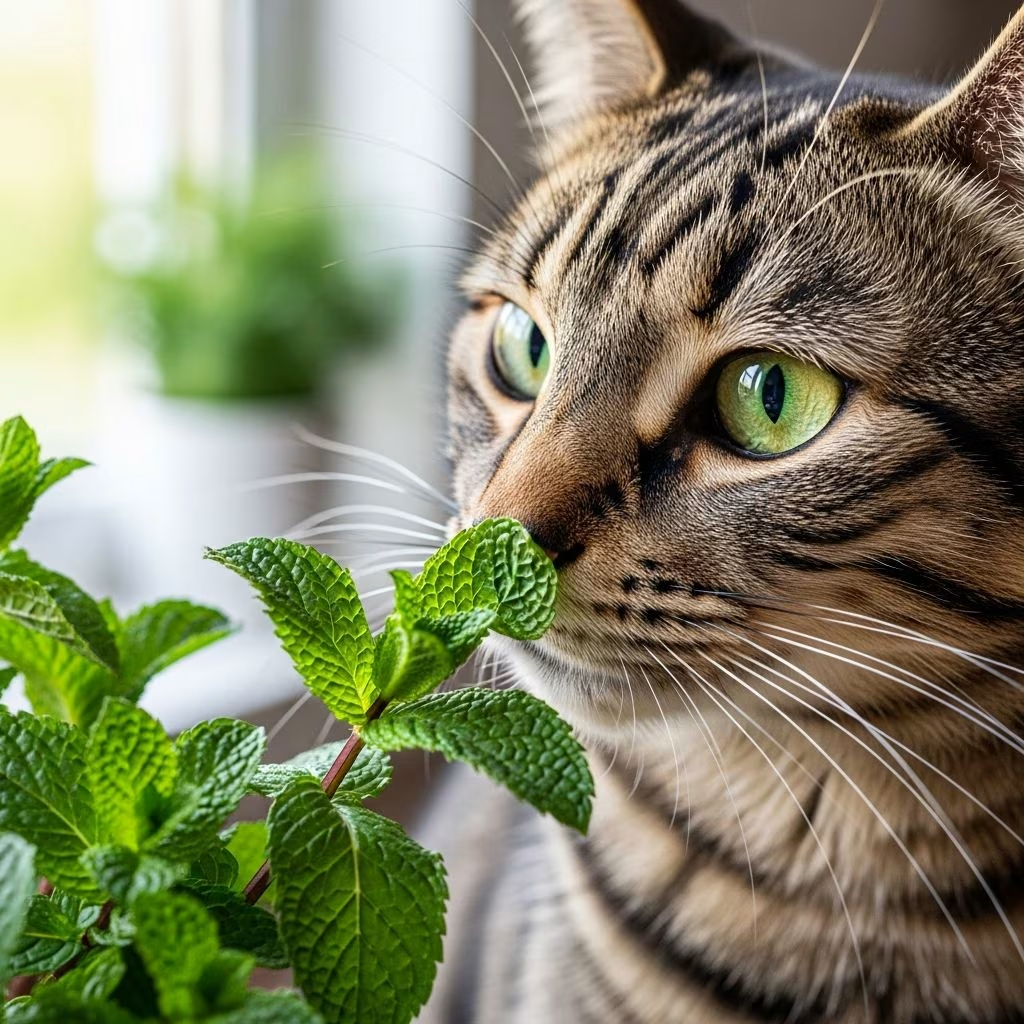
Mint is a popular herb enjoyed by humans for its refreshing flavor and aroma, but cat owners often wonder if it’s safe to share with their feline friends. While small amounts of fresh mint leaves like spearmint or peppermint are generally not toxic to cats, concentrated forms such as essential oils pose serious risks due to cats’ unique liver enzymes that struggle to metabolize certain compounds. This article breaks down the safety of mint for cats, potential health effects, symptoms of poisoning, and practical advice from veterinary perspectives.
The Short Answer: Can Cats Eat Mint?
In moderation, yes—cats can nibble on small amounts of fresh mint leaves without severe harm, though it may cause mild digestive upset like vomiting or diarrhea. However, avoid giving mint intentionally, as some varieties like pennyroyal are highly toxic, and essential oils from any mint can lead to liver damage, respiratory issues, or seizures. Cats’ sensitivity stems from lacking glucuronyl transferase enzymes in their livers, making them vulnerable to phenols and other compounds in mint.
Is Mint Toxic to Cats?
Mint toxicity in cats varies by type and form. Most common mints (Mentha species like spearmint and peppermint) are not highly toxic but can irritate the gastrointestinal tract if overconsumed. Pennyroyal (Mentha pulegium), however, contains pulegone, a compound that causes severe liver damage, seizures, and even death in cats.
- Fresh mint leaves: Low risk; cats might vomit from irritation, but large quantities are needed for serious effects.
- Mint essential oils: Highly dangerous—even diffused or topical use can cause respiratory distress, skin burns, or systemic poisoning.
- Mint-flavored products: Candies or treats often contain xylitol, which is deadly for cats, compounding risks.
According to veterinary sources, cats rarely ingest enough fresh mint to reach toxic levels, as they typically just nibble curiously. Still, prevention is key, especially in homes with herb gardens.
Types of Mint and Their Safety for Cats
| Mint Type | Safety Level | Potential Effects |
|---|---|---|
| Spearmint (Mentha spicata) | Low risk in small amounts | Mild GI upset, vomiting |
| Peppermint (Mentha piperita) | Low risk fresh; high risk oil | Irritation, breathing issues from oils |
| Pennyroyal (Mentha pulegium) | Toxic | Liver failure, seizures |
| Catnip (Nepeta cataria) | Safe and beneficial | Stimulation or sedation; mild GI if excessive |
Catnip, often confused with mint (same family, Lamiaceae), is safe and appealing to about 70% of cats, causing playful behavior without toxicity. Unlike true mints, it doesn’t pose the same phenol risks.
Why Are Cats Sensitive to Mint?
Cats’ livers lack key enzymes to break down essential oils’ phenolic compounds, leading to buildup and toxicity. Their acute sense of smell draws them to mint’s strong scent, prompting nibbling despite the bitter taste. Sensitive mucous membranes amplify risks from inhalation or contact, causing drooling, coughing, or skin irritation. Individual reactions vary—some cats ignore mint, while others experience nausea from minimal exposure.
Symptoms of Mint Poisoning in Cats
Monitor for these signs after mint exposure, acting quickly as symptoms can escalate:
- Mild symptoms: Vomiting, diarrhea, drooling, nausea.
- Moderate symptoms: Lethargy, weakness, wobbly gait, low body temperature.
- Severe symptoms: Difficulty breathing, tremors, seizures, low heart rate (especially from pennyroyal or oils).
Early intervention improves outcomes; even mild cases warrant vet observation if persistent.
What to Do If Your Cat Eats Mint
Stay calm—most cases from fresh leaves resolve without treatment. Steps include:
- Remove access to mint and note the type/amount ingested.
- Monitor for 24-48 hours; offer water to prevent dehydration.
- Contact a vet or pet poison hotline (e.g., ASPCA at 888-426-4435) if symptoms appear.
- Do not induce vomiting unless instructed; treatment may involve fluids, activated charcoal, or anti-nausea meds.
For essential oil exposure, seek emergency care immediately due to rapid absorption.
Mint Essential Oils: A Major No for Cats
Peppermint and other mint oils are 100% toxic—phenols overwhelm feline livers, causing liver damage, wobbliness, seizures, and breathing difficulties. Diffusers pose inhalation risks; never use around cats. Safer alternatives: catnip toys or pheromone diffusers.
Safe Alternatives to Mint for Cats
Redirect chewing instincts with these vet-approved options:
- Catnip/catgrass: Safe, stimulates play without toxicity.
- Valerian root: Calming herb, use sparingly.
- Silver vine: Similar to catnip, appealing to non-responders.
- Commercial treats: Mint-free dental chews formulated for cats.
These satisfy curiosity while avoiding mint’s pitfalls.
How to Mint-Proof Your Home
- Place mint plants out of reach or use hanging pots.
- Avoid mint oils, candles, or sprays entirely.
- Educate household members; supervise gardens.
- Offer cat-safe greens indoors for grazing.
Proactive steps prevent 99% of incidents.
Frequently Asked Questions (FAQs)
Can cats eat peppermint safely?
Fresh peppermint leaves are low-risk in tiny amounts but can upset stomachs; essential oils are toxic—avoid completely.
Is pennyroyal mint safe for cats?
No, it’s highly toxic, causing liver damage and seizures—remove immediately if present.
What if my cat smells mint but doesn’t eat it?
Smelling is usually fine; the scent may intrigue or repel them without harm.
Can I give my cat mint tea or treats?
Avoid—concentrated forms and additives like xylitol are dangerous.
Is catmint the same as mint for cats?
Catmint (Nepeta) is safer than true mint; it causes euphoria in many cats without toxicity.
This comprehensive guide equips cat owners with knowledge to keep their pets safe around mint. Always prioritize veterinary advice for specific cases.
References
- Can Cats Eat Mint? Safety & Effects Explained — Zoorithm. 2023-05-15. https://www.zoorithm.com/cats/can-cat-eat-mint
- Can Cats Eat Mint? Vet-Verified Facts & Advice — Catster. 2024-08-20. https://www.catster.com/nutrition/can-cats-eat-mint/
- Is Mint Safe for Cats? Understanding the Differences — Oreate AI. 2023-11-10. https://www.oreateai.com/blog/is-mint-safe-for-cats-understanding-the-differences/f7ec7887c2a761cef974efed1c1d156f
- Beneficial Plants for Dogs and Cats: Mint and Rosemary — Maven Pet. 2024-02-28. https://maven.pet/all-about-pets/pet-care/dog-diet/can-dogs-eat-vegetables/plants-for-dogs-cats/
- Is Peppermint Oil Safe for Cats? — Untamed. 2024-06-12. https://untamed.com/blogs/nutrition/is-peppermint-oil-safe-for-cats



