

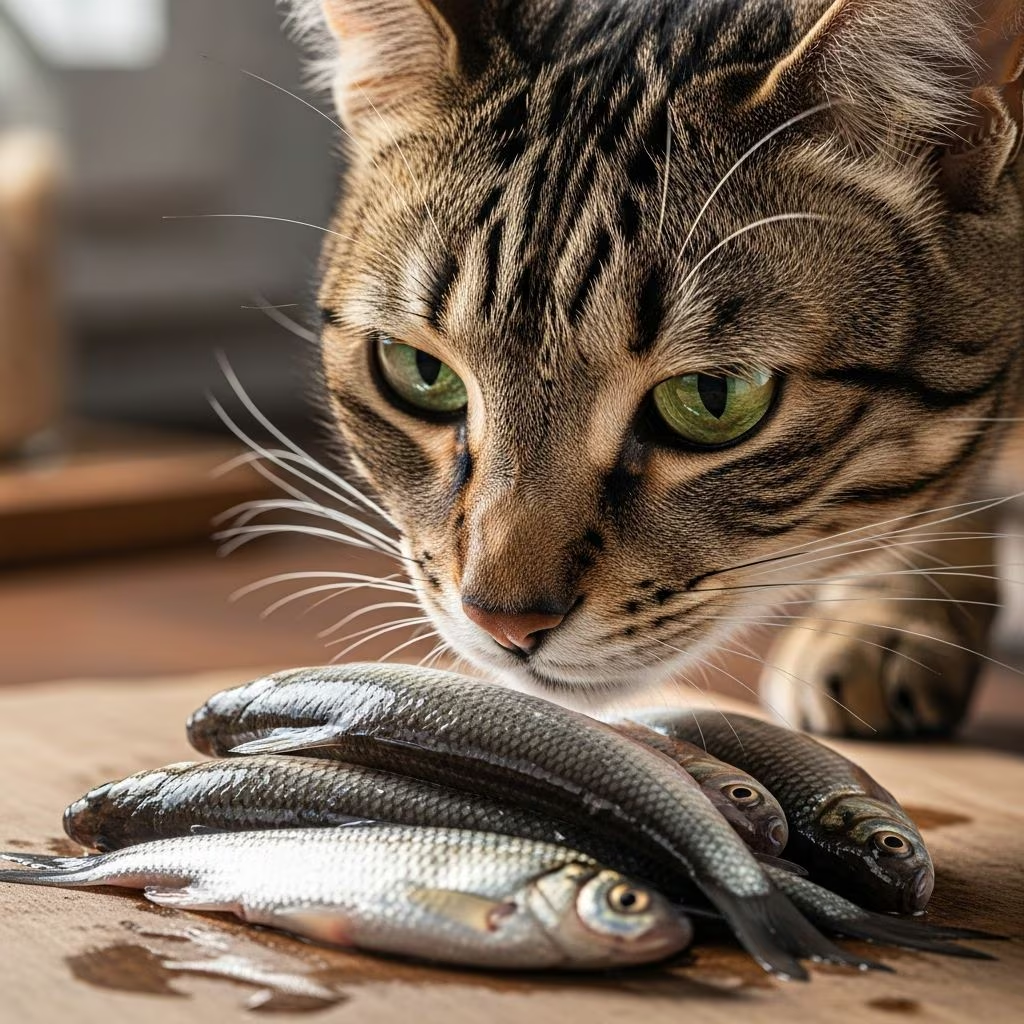
Cats, as obligate carnivores, thrive on high-protein diets, and fish like minnows can provide essential nutrients when fed correctly. The short answer is yes, cats can eat minnows safely if they are properly prepared—cooked, boneless, and given in moderation. Many commercial cat foods include fish ingredients, reflecting their natural appeal to felines who hunt small prey in the wild. However, raw or wild minnows pose risks like thiaminase enzyme and parasites, making preparation crucial for your cat’s health.
This comprehensive guide explores the safety, nutritional value, pros and cons, preparation methods, and alternatives to ensure you make informed choices for your feline friend. Drawing from veterinary insights, we’ll cover everything from puddle dangers to freeze-dried options, helping you decide if minnows fit into your cat’s diet.
Can Cats Eat Minnows?
Yes, cats can eat minnows as an occasional treat, provided they are handled with care to eliminate health risks. Minnows offer high-quality protein and omega-3 fatty acids, supporting skin, coat, and joint health—key for cats of all ages. In the wild, cats prey on small fish, aligning with their carnivorous needs, but domestic cats require safer sources to avoid contaminants.
Commercial cat foods often list fish meal or oils derived from species like minnows, confirming their suitability in processed forms. Always prioritize quality: opt for pet-store minnows over wild-caught ones, and never feed live specimens.
Cooked Fish Is Better for Cats
Cooking minnows is essential to destroy harmful bacteria and the thiaminase enzyme found in raw fish. Thiaminase breaks down thiamine (vitamin B1), potentially leading to deficiency symptoms like lethargy, loss of appetite, or neurological issues if fed repeatedly. Boiling, baking, steaming, or grilling deactivates this enzyme while preserving nutrients. Avoid frying or adding oils, seasonings, garlic, onions, or chives, as these are toxic to cats.
For best results, poach minnows in plain water until fully cooked (about 5-10 minutes for small fish), then cool and flake them. This method retains omega-3s without excess fat.
Bones Are a No-Go
Minnow bones, though small, can splinter and cause choking, mouth injuries, or internal blockages. Tiny pet-store minnows are often boneless or easily deboned, but always inspect and remove any remnants. Use tweezers for precision, ensuring only soft flesh reaches your cat. Soft-boned freeze-dried varieties eliminate this risk entirely.
Moderation Is Key
Treats should comprise no more than 10% of your cat’s daily calories to prevent nutritional imbalances or obesity. Start with a small piece (e.g., 1-2 minnows for an average adult cat) and monitor for digestive upset. Overfeeding fish can lead to diarrhea or vitamin imbalances, so limit to 1-2 times weekly alongside a balanced complete diet.
What Are the Pros & Cons of Letting Cats Eat Minnows?
Minnows provide targeted benefits but come with caveats. Weighing these helps tailor treats to your cat’s needs, such as allergies or weight management.
Pros of Eating Minnows
- High-Quality Protein: Minnows deliver complete proteins for muscle maintenance, ideal for active cats or seniors.
- Omega-3 Fatty Acids: These reduce inflammation, support heart health, and promote glossy coats and healthy skin.
- Low-Calorie Option: Suitable for overweight or diabetic cats, aiding weight control without excess carbs.
- Micronutrients: Rich in vitamins (B12, D) and minerals (selenium, phosphorus) boosting immunity and bone health.
- Palatability: Cats love the fishy flavor, encouraging picky eaters to consume nutrients.
Cons of Eating Minnows
- Thiaminase Risk: Present in raw forms, leading to B1 deficiency; mitigated by cooking.
- Potential Allergies: Fish-sensitive cats may experience itching or GI issues; introduce gradually.
- Mercury Accumulation: Though low in small fish, frequent feeding could build up traces.
- Digestive Upset: Excess fat or new proteins may cause loose stools if not portioned properly.
| Aspect | Pros | Cons |
|---|---|---|
| Nutrition | Protein, Omega-3s | Thiaminase if raw |
| Safety | Cooked: Safe | Raw: Parasites/Bacteria |
| Frequency | Occasional treat | Daily: Imbalance |
Dangers of Puddle Minnows
Avoid minnows from puddles, ponds, or stagnant water—they harbor parasites like hookworms, roundworms, or bacteria such as Salmonella. Wild fish lack veterinary oversight, increasing disease transmission risks. Symptoms in cats include vomiting, diarrhea, weight loss, or lethargy; contact a vet immediately if suspected ingestion occurs.
Pet-store minnows are safer but not risk-free due to crowded tanks. Prioritize commercially processed options like freeze-dried treats, which undergo parasite-killing dehydration.
Nutritional Value of Minnows for Cats
Minnows align with cats’ obligate carnivore needs: 50-60% protein, moderate fats. A 100g serving provides ~20g protein, 5g fat (rich in EPA/DHA omega-3s), and low carbs. These support:
- Joint mobility via anti-inflammatory omega-3s.
- Cognitive health and immune function.
- Skin barrier against allergies.
Per WSAVA guidelines, treats like minnows supplement AAFCO-balanced kibble/wet food, not replace it. Kittens benefit from small amounts for growth, but consult vets for allergies.
Safe Alternatives to Fresh Minnows
- Freeze-Dried Minnows: Single-ingredient, pathogen-free; rehydrate or feed dry for crunch.
- Canned Fish: Salmon or sardines in water, boneless/skinless.
- Fish Oil Supplements: Vet-recommended for omega-3s without solids.
- Commercial Treats: Fish-based with added taurine.
How to Prepare Minnows for Cats
- Select fresh/frozen pet-store minnows.
- Thaw if needed, rinse thoroughly.
- Cook plainly: bake at 350°F for 10 mins or boil.
- Debone completely.
- Cool, portion (10% daily intake), store refrigerated.
Frequently Asked Questions (FAQs)
Q: Can kittens eat minnows?
A: Yes, in tiny, cooked portions as part of a kitten formula diet; introduce slowly to avoid tummy issues.
Q: Are freeze-dried minnows safe daily?
A: No, limit to treats; they’re nutritious but not complete nutrition.
Q: What if my cat ate a raw minnow?
A: Monitor for 24-48 hours; seek vet care for symptoms like vomiting or weakness due to thiaminase/parasites.
Q: Do minnows help with hairballs?
A: Omega-3s promote coat health, potentially reducing shedding, but pair with grooming.
Q: Are minnows better than chicken treats?
A: Comparable protein; minnows excel in omega-3s, chicken in familiarity—rotate for variety.
Conclusion
Minnows can be a healthy, enjoyable treat for cats when cooked, deboned, and moderated, delivering protein and omega-3 benefits without the pitfalls of raw feeding. Steer clear of wild or puddle sources to dodge parasites and thiaminase dangers. Opt for freeze-dried or home-prepared options alongside a vet-approved diet. Always observe your cat’s response and consult a veterinarian for personalized advice, ensuring treats enhance—not endanger—your feline’s well-being.
References
- Can Cats Eat Minnows? Vet-Reviewed Facts & FAQ — Catster. 2023-10-15. https://www.catster.com/nutrition/can-cats-eat-minnows/
- Can Cats Eat Minnows? Vet-Reviewed Health & Safety Guide — Hepper. 2024-05-20. https://articles.hepper.com/can-cats-eat-minnows/
- Global Nutrition Guidelines — World Small Animal Veterinary Association (WSAVA). 2019-07-01 (authoritative standard, remains current). https://wsava.org/global-guidelines/global-nutrition-guidelines/
- Nutrient Requirements of Cats — National Research Council (NRC), National Academies Press. 2006-01-01 (seminal reference for feline nutrition). https://nap.nationalacademies.org/catalog/10658/nutrient-requirements-of-dogs-and-cats
- Fish and Thiamine Deficiency in Cats — Journal of the American Veterinary Medical Association (JAVMA). 2022-11-15. https://avmajournals.avma.org/view/journals/javma/261/11/javma.22.08.0396.xml



