

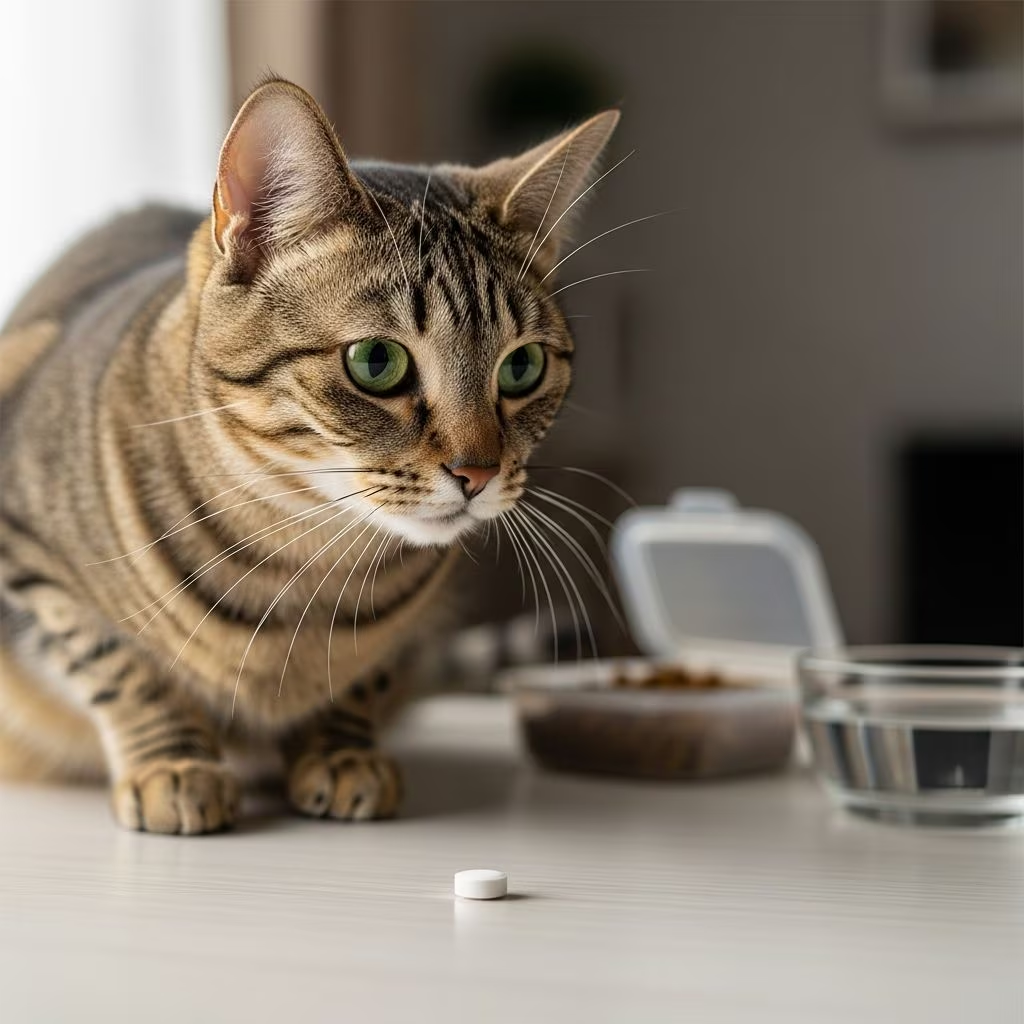
Melatonin is a hormone naturally produced by cats to regulate sleep-wake cycles, and supplemental forms can help with issues like anxiety, sleep disturbances, and hair loss in felines. While generally safe when used correctly under veterinary guidance, it’s not suitable for all cats and requires careful consideration of dosage, product quality, and individual health factors.
What Is Melatonin?
Melatonin, often called the ‘sleep hormone,’ is secreted by the pineal gland in response to darkness, signaling the body to prepare for rest. In cats, it plays a key role in maintaining circadian rhythms, promoting calmness, and supporting reproductive health. Supplemental melatonin mimics this natural process and is available as treats, chews, liquids, or tablets formulated for pets.
Cats produce melatonin endogenously, but stressors like travel, fireworks, or environmental changes can disrupt levels, leading to insomnia or hyperactivity. Veterinary sources note its use in short-term scenarios rather than as a long-term cure.
Is Melatonin Safe for Cats?
Melatonin is considered safe for most adult cats when administered properly, with veterinary approval. Experts from VCA Animal Hospitals and Pet Poison Helpline affirm low risk of serious adverse effects, primarily mild sedation. However, safety depends on product selection, dosage, and the cat’s health status.
- Adult Cats: Generally well-tolerated, with benefits outweighing risks for targeted issues.
- Kittens: Avoid, as their developing systems need natural regulation.
- Pregnant/Nursing Cats: Use cautiously due to potential impacts on fertility hormones.
Always select pet-specific products free of xylitol, artificial flavors, or human additives that could harm cats.
Benefits of Melatonin for Cats
Melatonin offers several evidence-based benefits for feline health, particularly in behavioral and physiological contexts.
Sleep Regulation
It restores disrupted sleep patterns from stress or aging, helping cats sleep through the night instead of nocturnal prowling.
Anxiety and Stress Relief
Effective for situational anxiety like vet visits, thunderstorms, or moving. It promotes relaxation without heavy sedation.
Hair Loss (Alopecia)
Supports fur regrowth in cases of psychogenic alopecia from overgrooming due to stress.
Other Uses
- Jet lag or shift work in multi-pet households.
- Adjunct for cognitive dysfunction in senior cats.
- Potential aid in estrus cycle regulation (vet-supervised).
Studies and vet toxicologists report high tolerability, making it a first-line natural option.
Melatonin Dosage for Cats
Standard dosage is 1-6 mg per cat, based on weight and condition, given 1-2 times daily. Start low to assess tolerance.
| Cat Weight | Starting Dose | Max Daily Dose |
|---|---|---|
| Under 10 lbs | 1 mg | 3 mg |
| 10-20 lbs | 3 mg | 6 mg |
| Over 20 lbs | 3-6 mg | Consult vet |
Administer orally, ideally 30-60 minutes before stressful events or bedtime. Forms include flavored chews for palatability. Adjust based on response; do not exceed without vet input.
Side Effects of Melatonin in Cats
Side effects are rare and mild, mirroring its natural role in the body.
- Common: Drowsiness, daytime lethargy (desired for sleep aid).
- Gastrointestinal: Vomiting, diarrhea, appetite changes if overdosed.
- Skin: Itchiness or mild irritation.
- Rare: Hormonal shifts affecting reproduction in intact cats; disorientation.
Monitor for 24-48 hours post-dose. Discontinue if symptoms persist and contact a vet.
Risks and Contraindications
While low-risk, certain cats should avoid melatonin.
- Liver/Kidney Disease: Impaired metabolism increases side effect risk.
- Medications: May interact with sedatives, steroids, or thyroid drugs.
- Working Cats: Could impair alertness.
- Overdose: Excess causes prolonged sleepiness but rarely toxicity; seek emergency care if severe.
Pet Poison Helpline notes no significant overdoses reported, emphasizing product variability as the main concern.
How to Give Melatonin to Your Cat
- Consult Vet: Rule out underlying issues and confirm interactions.
- Choose Quality: Pet-formulated, third-party tested products.
- Administer Safely: Hide in treats or use liquid droppers for picky eaters.
- Monitor: Track behavior and adjust as needed.
Combine with environmental enrichment like pheromone diffusers for best results.
When to See a Vet
Seek professional advice if sleep/anxiety persists beyond 1-2 weeks, or if accompanied by weight loss, aggression, or lethargy unrelated to dosing. Vets may recommend diagnostics for thyroid issues or pain.
Frequently Asked Questions (FAQs)
Can cats eat melatonin?
Yes, cats can safely take melatonin supplements under vet guidance for sleep and anxiety.
Is melatonin safe for kittens?
No, reserve for cats over 1 year; kittens need natural development.
How much melatonin can I give my cat?
1-6 mg based on weight; vet determines exact dose.
Does melatonin make cats sleepy?
Yes, mild sedation is common and often intended.
Can melatonin cause vomiting in cats?
Possible with high doses; reduce and consult vet.
Is human melatonin safe for cats?
No, avoid due to potentially toxic additives like xylitol.
This comprehensive guide equips cat owners with knowledge on melatonin’s role in feline wellness. Prioritize veterinary consultation for personalized care.
References
- Melatonin for Cats: Is It Safe? Why, How, and When to Use It — Paw CBD. 2023. https://www.pawcbd.com/blogs/posts/melatonin-for-cats-is-it-safe-why-how-and-when-to-use-it
- Melatonin for Cats: Benefits, Risks, and Safe Use — Chewy. 2024-05-15. https://www.chewy.com/education/cat/health-and-wellness/melatonin-for-cats
- Melatonin for Cats: Overview, Dosage, & Side Effects — Cats.com. 2023-11-20. https://cats.com/melatonin-for-cats
- Melatonin for Cats: Uses, Dosage, Side Effects — GoodRx. 2024. https://www.goodrx.com/pet-health/cat/melatonin
- Melatonin in Dogs and Cats — WebMD. 2023. https://www.webmd.com/pets/pet-meds/melatonin-dogs-cats
- Melatonin — VCA Animal Hospitals. 2024-01-10. https://vcahospitals.com/know-your-pet/melatonin
- Keep Calm: What to Do If Your Pet Gets into Calming Aids or Treats — ASPCA. 2023. https://www.aspca.org/news/keep-calm-what-do-if-your-pet-gets-calming-aids-or-treats



