

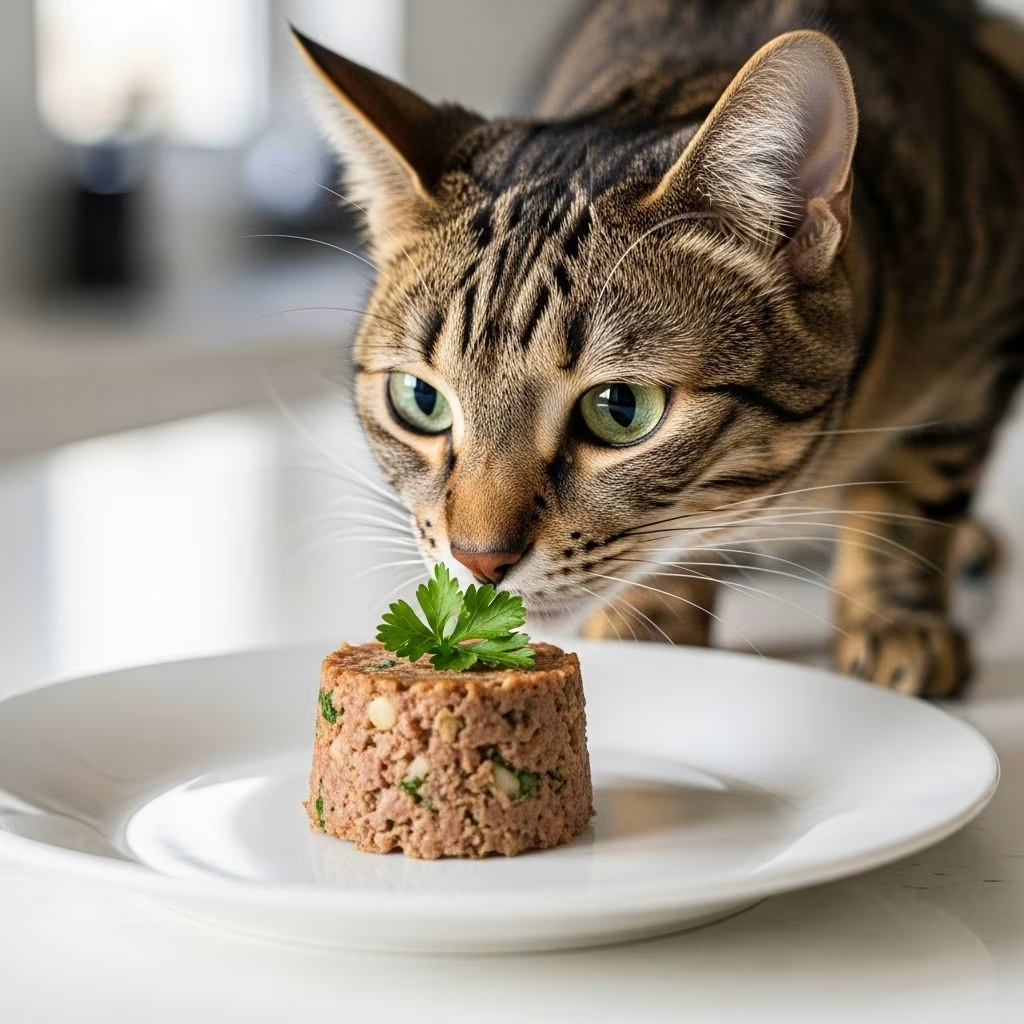
Meatloaf is a beloved human comfort food made primarily from ground meat, but it is generally unsafe for cats due to common toxic ingredients like onions and garlic, excessive sodium, and disruptive seasonings. While the plain cooked meat component is safe in moderation, the full dish can cause digestive upset, anemia, or worse, making it essential to avoid sharing it with your feline companion.
Can Cats Eat Meatloaf?
No, cats should not eat meatloaf. Although it contains cooked meat that aligns with a cat’s carnivorous needs, most recipes include harmful additives. Onions and garlic, staples in many meatloaf preparations, are toxic to cats, damaging red blood cells and potentially leading to hemolytic anemia. Even small amounts—such as 0.2 ounces of onion per 2 pounds of body weight—can trigger issues, with clinical signs appearing after about 0.5% of body weight in onions.
High sodium levels from seasonings, ketchup, or gravy can cause sodium ion poisoning, leading to excessive thirst, vomiting, or seizures in severe cases. Dairy like milk or breadcrumbs soaked in it often leads to lactose intolerance symptoms, including diarrhea. Spices such as pepper, paprika, or mustard irritate the gastrointestinal tract, while preservatives and fats in processed versions like Stouffer’s exacerbate risks.
Cats are obligate carnivores requiring a diet high in animal protein and specific nutrients like taurine, which human foods rarely provide in balance. Feeding meatloaf disrupts this, potentially causing nutritional deficiencies over time. Vet experts unanimously advise against it, recommending commercial cat food or plain meat treats instead.
What’s in Meatloaf?
Traditional meatloaf recipes typically blend ground beef or a meat mix with binders like breadcrumbs, eggs, and milk, flavored by onions, garlic, ketchup, Worcestershire sauce, and herbs. Gravy accompaniments add flour thickeners, fats, and more salt. Processed varieties, such as Stouffer’s, amplify dangers with preservatives, artificial flavors, and concentrated sodium.
- Ground meat: Beef, pork, or turkey—safe if plain and cooked.
- Onions/garlic: Toxic; cause oxidative damage to red blood cells.
- Breadcrumbs/milk: Fillers causing digestive issues from carbs and lactose.
- Seasonings/ketchup: High salt, sugar, spices irritating the gut.
- Gravy/preservatives: Fats and chemicals hard to digest, promoting obesity or toxicity.
These elements make even homemade meatloaf risky, as “secret ingredients” often hide alliums or spices unsafe for cats.
The Dangers of Meatloaf for Cats
Onions
Onions in any form—raw, cooked, or powdered—are highly toxic to cats, belonging to the Allium family that produces N-propyl disulfide. This compound destroys red blood cells, impairing oxygen transport and causing anemia. Symptoms emerge 1-5 days post-ingestion: vomiting, diarrhea, pale gums, weakness, rapid breathing. Fatal doses vary, but cumulative small exposures from occasional meatloaf bites accumulate danger.
Garlic
Garlic is even more potent than onions, with higher concentrations of toxic sulfoxides. Often minced into meatloaf for flavor, it amplifies anemia risk. Cats metabolize it poorly, leading to quicker onset of lethargy, elevated heart rate, and collapse.
High Sodium Content
Processed or seasoned meatloaf packs sodium, risking hypernatremia. Symptoms include thirst, tremors, seizures, and kidney strain. Gravy-soaked slices are worst offenders.
Seasonings & Spices
Pepper, paprika, mustard, and herbs irritate sensitive cat stomachs, causing vomiting or bloody stools. Fat content promotes pancreatitis.
Dairy & Fillers
Many recipes use milk or cheese, triggering lactose intolerance: gas, diarrhea, cramps. Breadcrumbs add unnecessary carbs, leading to obesity.
What Happens If a Cat Eats Meatloaf?
If your cat sneaks meatloaf, effects depend on quantity, ingredients, and health. Small nibbles might cause mild upset; larger amounts trigger toxicity. Watch for:
- Vomiting or diarrhea (within hours).
- Lethargy, weakness, or hiding.
- Loss of appetite or drooling.
- Pale gums, rapid heartbeat/breathing.
- Abdominal pain, tremors, collapse (severe cases).
Onion/garlic toxicity peaks in days, with anemia signs like jaundice. Prompt vet care is crucial—induce vomiting only under guidance, as it risks aspiration.
Can Cats Eat Ground Meat?
Yes, plain cooked ground meat is safe as an occasional treat, mimicking a cat’s natural prey. Use lean beef, chicken, or turkey, boiled or baked without salt, onions, or oils. Limit to 10% of calories to avoid imbalance.
- Cooked chicken/turkey: High-protein, low-fat.
- Beef: Nutrient-rich, remove excess fat.
- Fish (occasional): Salmon/tuna, cooked, deboned—avoid raw due to bacteria/thiaminase.
Never raw meat due to Salmonella, E. coli risks. Consult vets for raw diets, ensuring hygiene and taurine supplementation.
Cat-Safe Alternatives to Meatloaf
For meatloaf cravings, offer vet-approved options:
| Treat | Preparation | Benefits |
|---|---|---|
| Plain chicken | Boiled, shredded | High protein, hydrating |
| Turkey meatballs | Baked, unseasoned | Low-cal, fun texture |
| Beef heart | Cooked, diced | Taurine-rich |
| Commercial treats | As labeled | Balanced nutrition |
Homemade “cat loaf”: Mix ground turkey, egg, cook plain. Freeze portions for treats.
What to Do If Your Cat Eats Meatloaf
- Assess ingredients: Check for onions/garlic—highest risk.
- Monitor 24-72 hours: Note symptoms like vomiting.
- Call vet: Describe amount/ingredients; they may recommend activated charcoal or fluids.
- Prevent access: Elevate food, use counters.
- Urgent signs: Seizures, breathing issues—ER immediately.
Final Thoughts
Meatloaf tempts with its meaty aroma, but skip sharing with cats. Toxic onions, garlic, sodium, and fillers outweigh benefits. Opt for plain proteins or quality cat food ensuring health. Responsible feeding prevents emergencies, letting your cat thrive.
Frequently Asked Questions (FAQs)
Q: Can cats eat any type of meatloaf?
A: No, most contain toxic onions/garlic/seasonings. Plain meat only.
Q: How much meatloaf is toxic?
A: Small amounts cause upset; onion at 0.5% body weight triggers anemia.
Q: Can I make cat-friendly meatloaf?
A: Yes—plain ground meat/egg, baked. No additives.
Q: What if my cat ate a lot?
A: Vet ASAP—risks severe toxicity.
Q: Safe human foods for cats?
A: Plain cooked meats/fish in moderation. Avoid seasoned/dairy.
Q: Signs of onion toxicity?
A: Vomiting, pale gums, weakness—vet urgently.
References
- Can Cats Eat Stouffer’s Meatloaf? Meat and Gravy Risks — Dial A Vet. 2023. https://www.dialavet.com/blog/can-cats-eat-stouffers-meatloaf
- Cat Ate Meatloaf — Dial A Vet. 2023. https://www.dialavet.com/vet-answers/cat-ate-meatloaf-17592
- Can Cats Eat Meatloaf? Vet-Reviewed Facts & Advice — Hepper. 2024. https://articles.hepper.com/can-cats-eat-meatloaf/
- Can Cats Eat Meatloaf? Vet-Reviewed Diet Facts & FAQ — Catster. 2024. https://www.catster.com/nutrition/can-cats-eat-meatloaf/
- Meatloaf Safe for Cats? — Dial A Vet. 2023. https://www.dialavet.com/vet-answers/meatloaf-safe-cats-21596



