

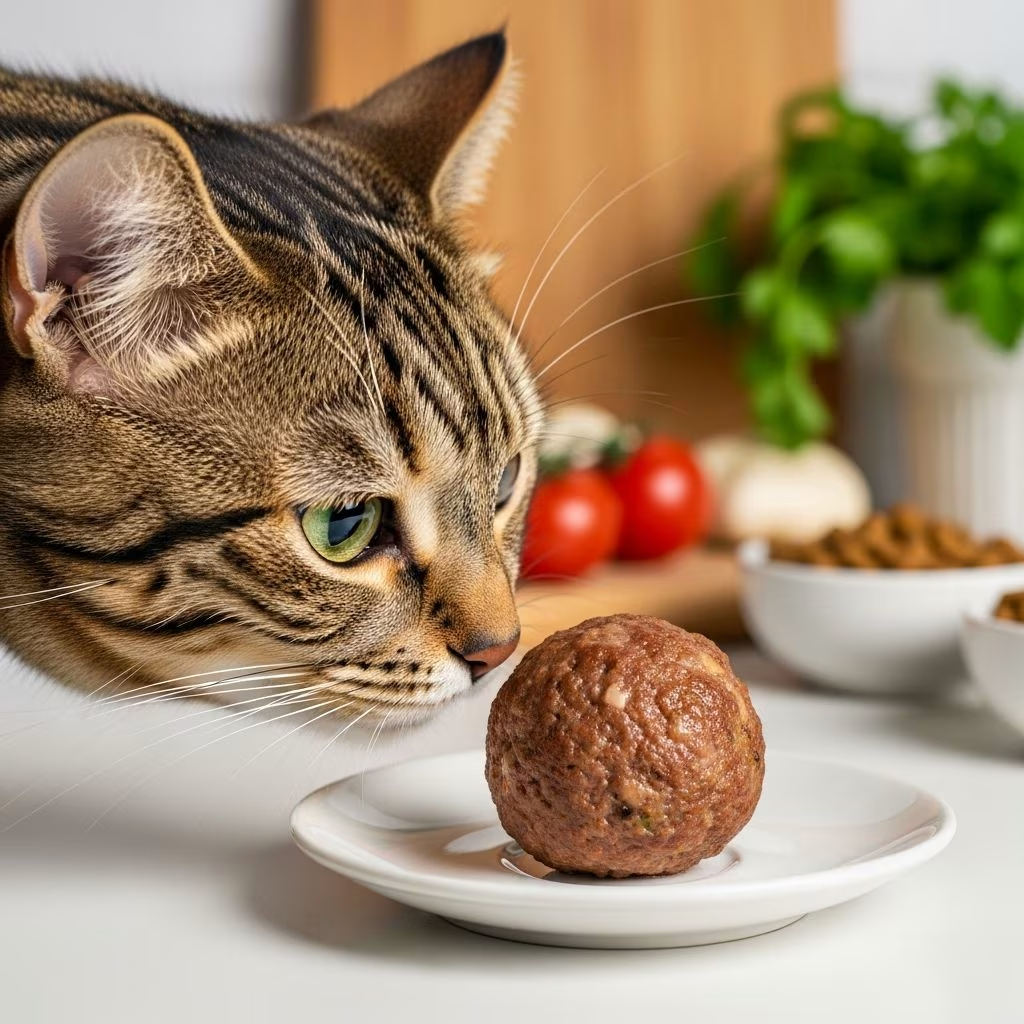
Can Cats Eat Meatballs? Vet-Reviewed Dangers & Facts
Most cats can eat meatballs occasionally as a treat if they are fully cooked and don’t contain any dangerous ingredients. However, not all meatballs are suitable for feline consumption. The key to safely feeding meatballs to your cat lies in understanding what goes into them and how they’re prepared. Your cat’s health and safety should always be the top priority when introducing any human food.
Understanding Your Cat’s Digestive System
Cats are obligate carnivores, meaning their entire digestive system is specifically designed to process meat and animal-based proteins. Unlike humans or even dogs, cats have a digestive tract that is fine-tuned to extract maximum nutrition from animal products. This biological reality makes meat-based treats like meatballs potentially suitable for cats, provided they meet specific nutritional requirements.
For optimal health, cats require high levels of protein, moderate levels of fats, and low amounts of carbohydrates. Their bodies are built to thrive on meat-based nutrition, and their digestive enzymes are specifically adapted to break down animal proteins efficiently. Understanding this fundamental aspect of feline nutrition is crucial when deciding what human foods are appropriate for your pet.
Dangerous Ingredients in Meatballs
While plain meat is generally safe for cats, many meatball recipes contain ingredients that can be harmful or even toxic to your feline friend. Before offering any meatballs to your cat, you must carefully examine what’s in them.
1. Onions and Garlic
Onions and garlic, including their powdered forms, are frequently included in meatball recipes to add flavor. Unfortunately, they are also toxic to cats. These ingredients contain compounds that can damage a cat’s red blood cells, potentially leading to hemolytic anemia. Eating meatballs with onions or garlic can upset your cat’s stomach or lead to more serious health issues such as anemia. Cats are particularly sensitive to the effects of garlic, so eating even a small number of meatballs made with these ingredients can be dangerous. Signs of toxicity may include lethargy, weakness, and pale gums.
2. Milk and Dairy Products
Milk or parmesan cheese may be included in meatball recipes to help hold the meat and other ingredients together. While not toxic to cats, milk and other dairy products may cause digestive issues. Cats don’t have the enzyme needed to digest lactose, the sugar found in milk. Some cats may be able to tolerate eating dairy products, but it’s usually best to avoid feeding dairy to them. Most adult cats are lactose intolerant, and consuming dairy can lead to stomach upset, vomiting, or diarrhea.
3. Other Harmful Seasonings
Beyond onions and garlic, meatballs often contain other seasonings that aren’t appropriate for cats. Salt, pepper, and various spices can be problematic in large quantities. These additives serve no nutritional purpose for your cat and can potentially cause health issues. Even seemingly innocent ingredients like excessive salt can contribute to dehydration and other health problems in cats.
Why Cooking Matters: The Safety Imperative
In addition to making sure there are no toxic ingredients in your meatballs, you’ll also want to ensure they’re fully cooked before feeding them to your cat. Meatballs contain one or more types of meat and usually eggs as well. Both raw meat and raw eggs can be dangerous to your cat.
Uncooked or partially cooked meat and eggs frequently contain dangerous bacteria such as salmonella or E. coli. Eating them could make your cat sick, or they could become carriers of the organisms and pass them to humans or other pets. Kids, older people, and those with weak immune systems are most at risk when bacteria is transmitted through pets.
Ground or minced meat poses a higher risk if not thoroughly cooked. The majority of harmful pathogens found in meat are on the surface, which is why searing the outside of a steak is enough to render it safe to eat. When meat is ground, the outsides mix with the insides, so any bacteria may also be mixed throughout. To avoid this danger, cook meatballs to the recommended internal temperature (160-165°F for most meats) before feeding any to your cat or eating them yourself.
Benefits of Plain Meatballs for Cats
When prepared correctly, meatballs do offer some nutritional benefits for cats. Cats require high amounts of protein to thrive. Protein helps cats grow strong muscles, maintain a healthy coat, and give them energy. Protein from animal products is the easiest for a cat to digest, and therefore, the most beneficial.
Meatballs provide a high-protein, low-carbohydrate treat for cats. They also contain healthy vitamins and minerals that are used in your cat’s everyday functions. However, high-quality cat food will provide all the nutrients that your cat needs. Plain meatballs should only be given as an occasional treat and should never replace a balanced, feline-specific diet.
How to Feed Meatballs to Your Cat
To keep your kitty healthy, they should eat a nutritionally balanced diet formulated for cats. Despite containing protein and other nutrients, meatballs still don’t contain all the nutrition your cat needs and should be considered a treat only. Treats of any type, including meatballs, should make up only 10-15% of your cat’s daily calories.
If you aren’t sure how many calories your cat should eat, you can find resources online, or ask a vet to help you calculate the number. Many meatball recipes provide a calorie count to help you determine how many your cat can eat safely. As a rough guide, a 10-pound cat could safely eat half a meatball per day (with no other treats), or one meatball with no other treats for 2 days. But, this needs to be factored into their daily allowance.
Making the Perfect Meatballs for Your Cat
The most beneficial part of a meatball for a cat is the meat. So, meatballs that are simply that, are considered safe. Your cat doesn’t need the extra seasonings, like salt, garlic, or onion to make them taste good. In fact, some of these spices can actually be toxic if consumed in high amounts. Making your own meatballs that contain just lean, ground meat is the best option for your cat.
Assuming your cat doesn’t have any protein allergies, you can make them plain meatballs out of any ground meat, including beef, pork, and even poultry. Some ground meats, like beef, can contain high amounts of fat. Extra fat in a cat’s diet can lead to weight gain and obesity, which can also increase the likelihood of diseases such as diabetes and joint issues. When making meatballs for your cat, choose the leanest versions of ground meat that you can find.
You’ll also want to avoid slathering the meatballs in sauces. Again, cats don’t need them to add flavor to the meatballs and they can contain harmful spices or sugar that your cat just doesn’t need. Plain, simple meatballs made with nothing but lean ground meat are the safest and most nutritionally appropriate option for your feline friend.
What to Do If Your Cat Eats Unsafe Meatballs
Chances are your cat will be fine if they accidentally consume a meatball with questionable ingredients, but you may need to monitor them for signs of digestive issues, such as vomiting, diarrhea, and stomach pain. If they happen to eat quite a few meatballs that contain potentially harmful spices, your vet may want you to bring your cat in for an evaluation. Don’t panic if your cat sneaks a meatball from your plate, but do watch for any changes in behavior or digestive health over the next 24-48 hours.
Healthy Meatball Alternatives for Cats
Since there are many variations of meatballs that can be harmful to cats, searching for a healthy alternative treat might be your best option. There are numerous safe foods that provide similar nutritional benefits without the risks associated with traditional meatballs.
- Cooked turkey or turkey treats
- Lean, cooked beef
- Ground chicken, cooked
- Cooked eggs
- Lean cooked lamb
- Cooked liver
It’s best if your cat doesn’t eat undercooked or raw meat, as it may lead to illnesses. These alternatives provide the protein and nutritional value your cat needs without the complications that can come from meatball seasonings and additives. Each of these options can be easily portioned and stored for convenient treat serving throughout the week.
Frequently Asked Questions
Q: Can Cats Eat Spaghetti?
A: Provided that the sauce and meatballs don’t contain any harmful ingredients, spaghetti can be considered safe for cats to eat. However, it’s not recommended. Pasta is high in carbohydrates that can lead to weight gain in cats and spaghetti sauce often contains a lot of sugar that cats also don’t need. If you want to give your cat the meat component of a spaghetti dish, remove the meatball and pasta and serve only the plain meat.
Q: Can Cats Eat Cooked Meat?
A: Yes, most types of cooked meat are safe for your cat. However, you’ll want to choose lean cuts and only feed in moderation. Cooked chicken, turkey, beef, and lamb are all appropriate protein sources for cats. Always ensure the meat is plain with no added seasonings, sauces, or oils.
Q: Can Cats Eat Ground Beef?
A: Yes, ground beef is safe for your cat as long as it’s cooked and doesn’t have added seasonings like salt, pepper, or other spices. Feed ground beef in moderation and choose a lean variety to prevent unwanted weight gain. Ground beef makes an excellent base for homemade cat treats when prepared properly.
Q: How often can I give my cat meatballs?
A: Meatballs should only be offered as occasional treats, not as a regular part of your cat’s diet. They should comprise no more than 10-15% of your cat’s daily caloric intake. This means most cats should have meatballs only a few times per week at most, if at all.
Q: What should I do if my cat has a sensitive stomach?
A: Check with your vet before offering any new human food to your cat. This precaution is especially vital if your cat has a history of a sensitive stomach or suffers from chronic health issues. Your veterinarian can provide personalized recommendations based on your cat’s individual health status and dietary needs.
Q: What if my cat isn’t interested in meatballs?
A: It’s possible that your cat won’t be interested in eating meatballs, and that is okay. If your cat eats a balanced diet, they don’t need to eat treats or other extra snacks. Not all cats enjoy the same foods, and individual preferences vary widely among feline companions.
Conclusion
Provided they are fully cooked and don’t contain any toxic ingredients, your cat may be able to enjoy meatballs as an occasional treat. The key to safely feeding meatballs to your cat is preparation—homemade meatballs made with lean ground meat and absolutely no seasonings are the safest option. Always check with your vet before offering any new human food to your cat, and remember that treats should never replace a complete and balanced feline diet. Your cat’s health and longevity depend on proper nutrition, so it’s always better to err on the side of caution when introducing new foods.
References
- Can Cats Eat Meatballs? Vet-Verified Nutrition Facts & FAQ — Hepper. 2024. https://articles.hepper.com/can-cats-eat-meatballs/
- Why Portioned Meatballs Are the Best for Raw Feeding Cats — Poppy’s Picnic. 2024. https://poppyspicnic.co.uk/blogs/raw-pet-food/portion-control-meatballs-raw-feeding-cats
- Can Cats Eat Meatballs? Vet-Reviewed Dangers & Facts — Catster. 2024. https://www.catster.com/nutrition/can-cats-eat-meatballs/
- Can Cats Eat Meatballs? Safety & Nutrition Guide — PetsCare.com. 2024. https://www.petscare.com/en-au/news/post/can-cats-eat-meatballs-guide
- Can Cats Eat Meatballs? — YouTube Shorts. 2024. https://www.youtube.com/shorts/5VDyG0-ac8E



