

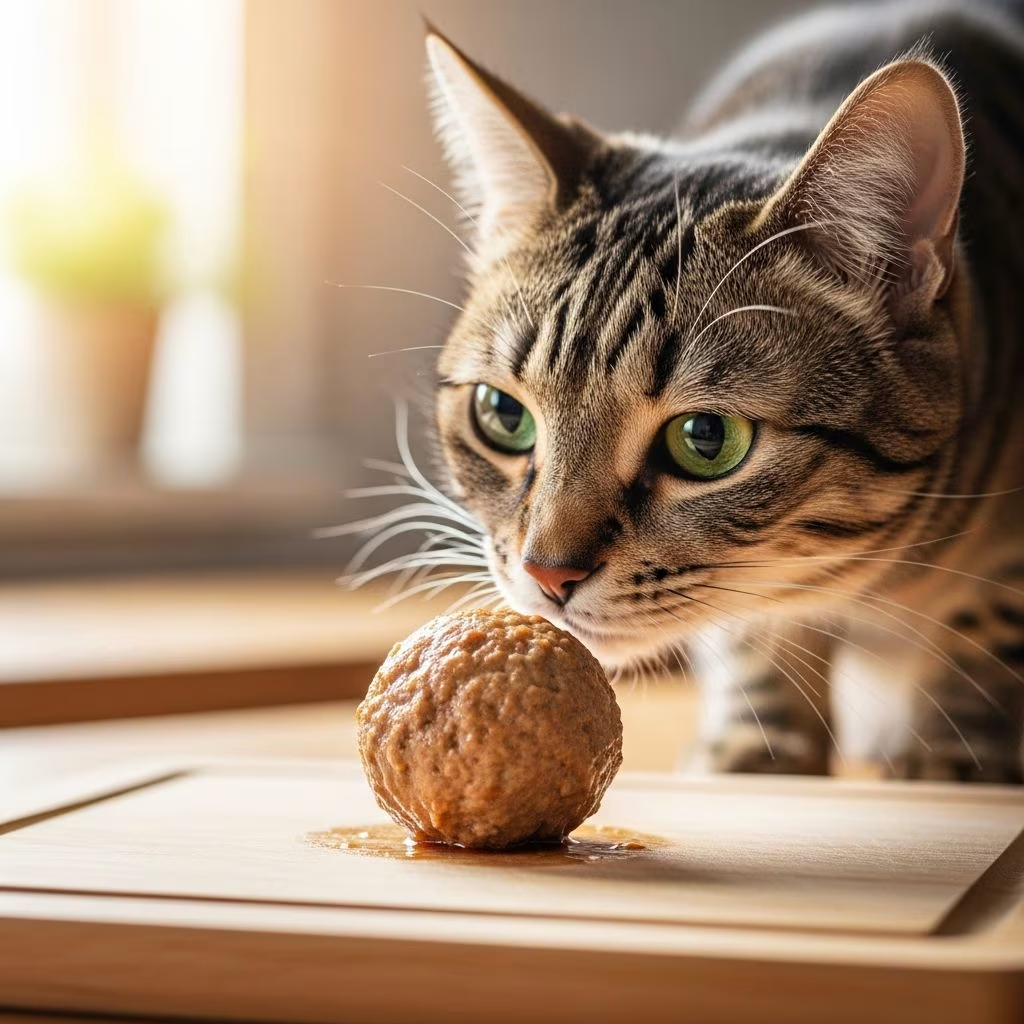
Cats are obligate carnivores with a digestive system optimized for meat-based proteins, making meatballs potentially appealing but risky due to common human ingredients. Most cats can eat plain, fully cooked meatballs occasionally as treats if free from toxic additives like onions and garlic, but they should never replace balanced cat food.
The Short Answer
Yes, cats can eat **plain, cooked meatballs** made from lean ground meat without seasonings, onions, garlic, salt, or dairy, but only in small amounts as an occasional treat—not exceeding 10% of daily calories. Always prioritize commercial cat food for complete nutrition including taurine.
Why Meatballs Tempt Cats (And Why Caution Is Needed)
Cats crave high-protein foods, and meatballs offer digestible animal proteins that support muscle growth, energy, and coat health. However, traditional recipes often include toxic elements harmful to felines. A cat’s short digestive tract efficiently processes meat but struggles with carbs, spices, and fats, risking obesity or toxicity.
Safe vs. Dangerous Meatball Ingredients for Cats
Not all meatballs are cat-friendly. Here’s a breakdown:
| Safe Ingredients | Dangerous/Toxic Ingredients |
|---|---|
| Plain lean ground beef, chicken, or turkey | Onions and garlic (cause anemia) |
| Small amounts of plain breadcrumbs (minimal) | Excessive salt (dehydration, hypertension) |
| Minimal cat-safe herbs like parsley (tiny doses) | Dairy like milk or cheese (lactose intolerance) |
| Fully cooked eggs (in moderation) | Spicy peppers, chives |
| Oils, fats, sugary sauces |
Onions and garlic are the biggest culprits, damaging red blood cells even in powdered form. Dairy causes diarrhea in most adult cats lacking lactase. High-fat meats lead to pancreatitis or weight gain.
Health Risks of Unsafe Meatballs
- Toxicity: Onions/garlic trigger hemolytic anemia, with symptoms like vomiting, weakness, and pale gums.
- Digestion Issues: Salt, spices, or dairy cause diarrhea, vomiting, or bloating.
- Bacterial Danger: Raw or undercooked meatballs risk salmonella or E. coli, especially in ground meat where bacteria spreads internally.
- Obesity & Deficiencies: Fatty treats displace nutrient-rich food, leading to taurine deficiency (heart/eye issues), diabetes, or joint problems.
Cats need precise nutrition; treats like meatballs lack balanced vitamins, minerals, and taurine.
Cook Your Meatballs: Essential Safety Steps
Always fully cook meatballs to an internal temperature of 165°F (74°C) to kill pathogens. Ground meat’s higher risk demands thorough cooking—searing steaks suffices, but grinding mixes surface bacteria throughout. Avoid raw eggs or meat entirely.
How to Feed Meatballs to Your Cat Safely
- Choose Lean Meat: Opt for 90-95% lean ground meat to prevent fat buildup.
- No Seasonings: Skip salt, garlic, onions, herbs, or sauces.
- Portion Control: Limit to 1-2 small meatballs (pea-sized for kittens) weekly, under 10-15% daily intake.
- Monitor Reactions: Watch for vomiting, lethargy, or allergies; consult a vet if issues arise.
- Balance Diet: Pair with AAFCO-approved cat food.
Introduce gradually, especially for picky or sensitive cats.
Benefits of Plain Meatballs as Treats
Plain meatballs provide bioavailable protein for muscle repair and energy, plus natural fats for skin/coat health. They’re low-carb, aligning with feline needs, and mentally stimulating as novel treats. However, they don’t replace fortified kibble or wet food.
Healthier Alternatives to Human Meatballs
- Commercial Cat Treats: Meatball-shaped options with taurine.
- Homemade Cat-Safe Meatballs: Puree lean turkey, bake plain.
- High-Quality Wet Food: Shredded meat mimics texture.
- Freeze-Dried Raw Meats: Safe, nutrient-dense (vet-approved brands).
- Plain Cooked Meats: Chicken breast chunks.
Recipe: Simple Cat-Safe Meatballs
Ingredients (makes 20 small balls):
- 1 lb lean ground turkey or chicken
- 1 egg (optional binder)
- 2 tbsp plain oats or breadcrumbs (optional)
Instructions:
- Mix ingredients gently.
- Form 1/2-inch balls.
- Bake at 350°F for 15-20 mins until internal temp hits 165°F.
- Cool, serve 1-2 cooled balls.
- Freeze extras.
Store in fridge 3 days or freezer 3 months. Adjust for allergies.
Nutritional Considerations for Cats
Cats require 26-30% protein, 9-15% fat, minimal carbs. Meatballs fit protein needs but lack taurine, arachidonic acid, and vitamins A/D/E from commercial formulas. Over-reliance causes deficiencies; use as enrichment only.
Frequently Asked Questions (FAQs)
Can cats eat IKEA meatballs?
No, avoid due to salt, onions, and additives; small amounts unlikely fatal but nutritionally poor.
Can cats eat raw meatballs?
No, raw meat/eggs risk bacterial infections like salmonella; always cook fully.
Is ground beef safe for cats?
Yes, if plain, cooked, lean, and occasional—no seasonings.
What if my cat ate toxic meatballs?
Contact vet immediately; induce vomiting only if advised. Watch for symptoms 24-48 hours.
How often can cats have meatballs?
Once weekly max, tiny portions; prioritize balanced diet.
Final Thoughts on Cats and Meatballs
While tempting, meatballs are risky unless meticulously prepared plain and sparingly. Consult your vet for personalized advice, especially for health-compromised cats. Stick to feline-formulated foods for thriving pets—treats enhance bonds without compromising health.
References
- Can Cats Eat Meatballs? Vet-Reviewed Dangers & Facts — Catster. 2023-10-15. https://www.catster.com/nutrition/can-cats-eat-meatballs/
- Can Cats Eat Meatballs? Vet-Verified Nutrition Facts & FAQ — Hepper. 2024-05-20. https://articles.hepper.com/can-cats-eat-meatballs/
- Nutrient Requirements of Cats — National Research Council (National Academies Press). 2006 (authoritative standard, unchanged for core feline needs). https://nap.nationalacademies.org/catalog/10668/nutrient-requirements-of-dogs-and-cats
- Toxicity of Onions and Garlic in Cats — ASPCA Animal Poison Control. 2024-01-10. https://www.aspca.org/pet-care/animal-poison-control/toxic-and-non-toxic-plants/onion
- Salmonella and Cats — CDC (Centers for Disease Control). 2023-11-05. https://www.cdc.gov/healthypets/pets/salmonella.html
- Lactose Intolerance in Cats — Merck Veterinary Manual. 2024-08-12. https://www.merckvetmanual.com/cat-owners/disorders-affecting-multiple-body-systems-of-cats/lactose-intolerance-in-cats



