

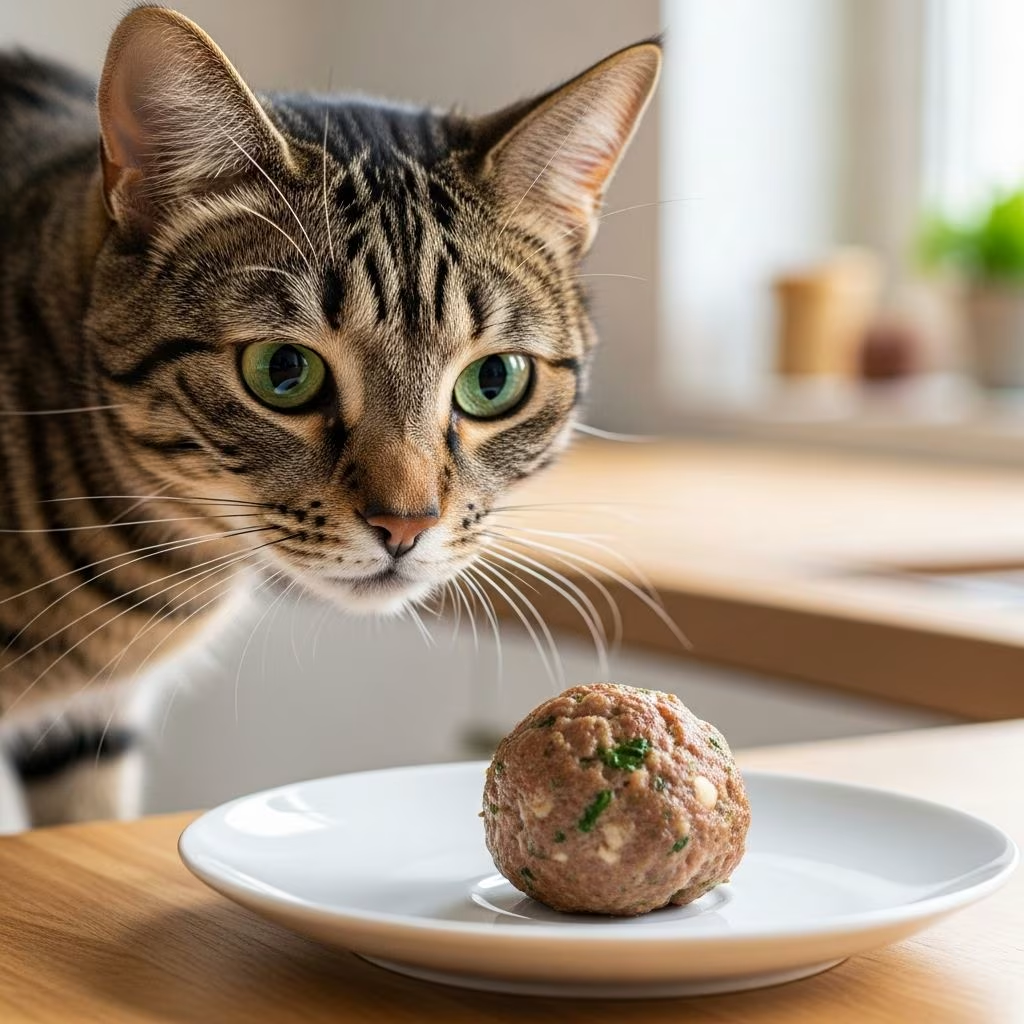
Cats are obligate carnivores, thriving on a meat-based diet high in protein and low in carbohydrates. Meatballs, primarily made from ground meat, might seem like a suitable treat, but many contain harmful additives like onions, garlic, seasonings, and breadcrumbs that can cause serious health issues in cats. Plain, lean meatballs without toxic ingredients can be offered occasionally in small amounts, but they should never replace a balanced commercial cat food diet.
A Cat’s Digestive System
Cats possess a specialized digestive system optimized for processing animal proteins efficiently. Their short digestive tract is designed to break down meat quickly, absorbing high levels of protein and moderate fats while handling minimal carbohydrates. This makes plain meat appealing, but human-prepared meatballs often include fillers and spices incompatible with feline biology.
Protein remains the cornerstone of a cat’s nutrition, supporting muscle maintenance, skin and coat health, immune function, and energy levels. Fats provide essential fatty acids and energy, but excess can lead to obesity. Carbohydrates, abundant in breadcrumbs or sauces, offer little nutritional value and may contribute to weight gain or digestive upset in cats unaccustomed to them.
Benefits of Bland Meatballs for Cats
Plain meatballs crafted from lean ground meat deliver high-quality animal protein, which cats digest more readily than plant-based sources. This protein aids in building strong muscles, promoting a glossy coat, and sustaining daily energy needs. Meatballs may also supply vitamins like B12 and minerals such as iron and zinc, essential for red blood cell production and overall vitality.
- High Protein Content: Supports muscle growth and repair, crucial for active cats.
- Low Carbohydrates: Aligns with cats’ natural low-carb dietary needs, reducing risks of diabetes.
- Palatability: The meaty texture and flavor can entice picky eaters, making treat time enjoyable.
- Nutrient Boost: Provides bioavailable taurine and arachidonic acid if made from quality meats.
Despite these perks, high-quality commercial cat food already meets all nutritional requirements. Bland meatballs should constitute no more than 10% of daily calories to avoid nutritional imbalances or excessive fat intake.
How to Feed Your Cat Meatballs
To safely share meatballs, prioritize plain preparations using lean ground meats like turkey, chicken, beef, or pork. Cook thoroughly to eliminate bacteria risks such as salmonella, and avoid all seasonings, sauces, onions, garlic, salt, or binders like eggs and breadcrumbs if possible. Opt for the leanest meat varieties (e.g., 93% lean ground turkey) to minimize fat content, which can lead to obesity, pancreatitis, or joint problems.
Step-by-Step Feeding Guide:
- Select lean, unseasoned ground meat.
- Cook meatballs plainly by baking, boiling, or pan-frying without oil.
- Cool completely and cut into small, bite-sized pieces to prevent choking.
- Offer 1-2 small meatballs (pea-sized for kittens) as an occasional treat, 1-2 times weekly.
- Monitor for allergies or digestive issues like vomiting or diarrhea.
Portion control is vital: A 5-kg cat needs about 200-250 calories daily; one small plain meatball might provide 20-30 calories. Overfeeding disrupts balanced nutrition and promotes weight gain. Always introduce new foods gradually and consult a vet for cats with health conditions like obesity or food sensitivities.
Dangers of Meatballs for Cats
Most store-bought or restaurant meatballs pose significant risks due to toxic or irritating ingredients. Onions and garlic, common in sauces, contain N-propyl disulfide, which damages red blood cells leading to hemolytic anemia. Even small amounts can cause weakness, pale gums, rapid breathing, or collapse.
| Ingredient | Risk to Cats | Symptoms |
|---|---|---|
| Onions/Garlic | Toxic; causes anemia | Vomiting, lethargy, pale gums |
| Excess Salt | Dehydration, poisoning | Thirst, tremors, seizures |
| Breadcrumbs/Wheat | Allergies, digestive upset | Diarrhea, itching, gas |
| High Fat | Obesity, pancreatitis | Weight gain, abdominal pain |
| Spices (e.g., chili) | GI irritation | Vomiting, diarrhea |
If your cat consumes a seasoned meatball, watch for 24-48 hours. Mild cases may resolve, but severe toxicity requires immediate veterinary care, possibly including induced vomiting, fluids, or blood transfusions.
Meatball Alternatives
Safer, vet-recommended options mimic meatballs’ appeal while aligning better with feline needs. Focus on cooked, lean proteins served in small portions.
- Cooked Turkey or Chicken: Lean, protein-rich, and highly digestible.
- Lean Ground Beef: Plain and cooked; limit to avoid fat buildup.
- Cooked Eggs: Excellent protein source; scramble without butter.
- Lean Lamb or Liver: Nutrient-dense; liver provides vitamin A but use sparingly.
- Commercial Cat Treats: Formulated for complete nutrition, like freeze-dried meat bites.
Avoid raw meats due to bacterial risks, and dairy like cheese, as most cats are lactose intolerant.
Frequently Asked Questions
Can Cats Eat Spaghetti with Meatballs?
No, spaghetti is not ideal due to high carbohydrates promoting weight gain, and sauces often contain sugar, onions, or garlic. Plain pasta might be tolerated in tiny amounts but offers no benefits.
Can Cats Eat Cooked Meat?
Yes, most plain cooked meats are safe in moderation. Choose lean cuts and avoid bones or seasonings.
Can Cats Eat Ground Beef?
Yes, if cooked plainly and lean. Feed sparingly to prevent obesity.
Can Kittens Eat Meatballs?
Avoid; kittens need specialized growth formulas. Their stomachs are sensitive to human foods.
Are Store-Bought Meatballs Safe?
Generally no, due to preservatives, salt, and spices. Homemade plain versions are preferable.
What If My Cat Eats a Meatball?
Monitor for symptoms like vomiting or lethargy. Contact a vet if seasoned ingredients were involved.
How Often Can Cats Have Treats?
No more than 10% of daily calories; prioritize balanced kibble or wet food.
In summary, while plain lean meatballs can delight your cat occasionally, risks from common ingredients make caution essential. Prioritize vet-approved nutrition for optimal health.
References
- Can Cats Eat Meatballs? Vet-Verified Nutrition Facts & FAQ — Hepper. 2024-05-15. https://articles.hepper.com/can-cats-eat-meatballs/
- Can Cats Eat Meatballs? Safe Feeding Tips — Dial A Vet. 2024-08-22. https://www.dialavet.com/blog/can-cats-eat-meatballs
- Can Cats Eat Meatballs? Safety & Nutrition Guide — PetsCare.com. 2024-03-10. https://www.petscare.com/en-au/news/post/can-cats-eat-meatballs-guide
- Advisory on Onions and Garlic Toxicity in Pets — ASPCA Animal Poison Control Center. 2023-11-01. https://www.aspca.org/pet-care/animal-poison-control/people-foods-avoid-feeding-your-pets
- Nutrient Requirements of Cats — National Research Council (NRC), National Academies Press. 2022-07-14. https://nap.nationalacademies.org/catalog/10658/nutrient-requirements-of-dogs-and-cats



