

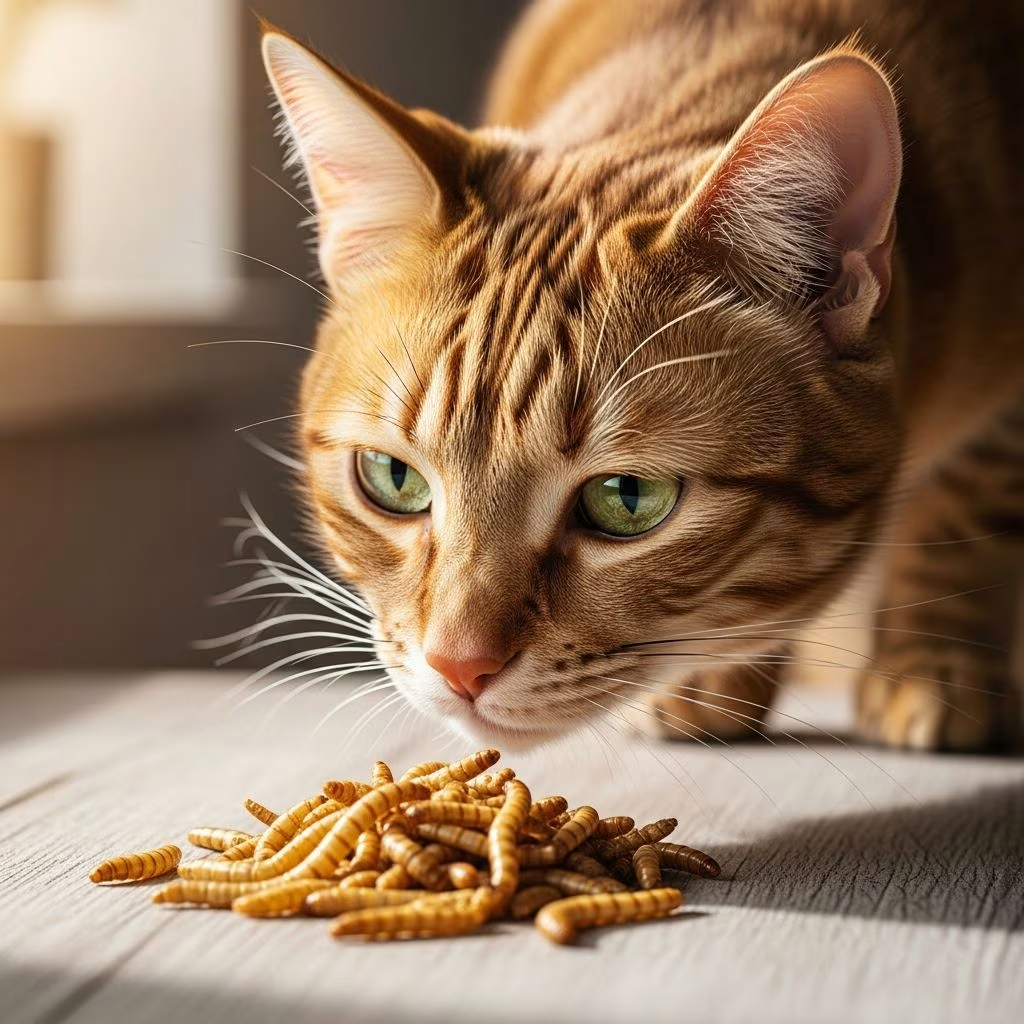
Cats can safely eat mealworms in moderation, provided they are farm-raised and free from parasites. These insects offer a high-protein treat that appeals to a cat’s natural carnivorous instincts, but they should not replace a balanced commercial diet.
Why Does Your Cat Keep Eating Mealworms?
Cats are obligate carnivores with a strong prey drive, making insects like mealworms highly attractive. Mealworms are commonly used to feed chickens, reptiles, and fish, often stored in accessible containers that curious cats can raid. This behavior stems from their ancestral hunting instincts, where small prey provided quick energy and nutrition.
Observing your cat batting at or consuming mealworms is normal, but ensure the source is reliable to avoid health issues. Farm-raised mealworms are cleaner and safer than wild-caught ones, reducing risks of contamination.
Do Mealworms Have Any Nutritional Value for Cats?
Mealworms are nutrient-dense, primarily composed of high-quality protein, healthy fats, and essential amino acids, making them a valuable occasional snack for cats. Research from the University of Illinois shows mealworm-based ingredients, such as those from Tenebrio molitor and Alphitobius diaperinus, have protein content ranging from 58.9% to 75.3% on a dry matter basis, with organic matter up to 96.9%.
Key nutritional highlights include:
- High Protein: Defatted lesser mealworm offers 75.3% crude protein, ideal for muscle maintenance in cats.
- Amino Acids: Indispensable amino acids like lysine and methionine show digestibilities over 90%, though histidine and valine may be slightly lower (77.9%-88.8%).
- Fats and Minerals: Contain unsaturated fatty acids beneficial for skin and coat health, plus calcium and lauric acid for energy and wellness.
Dried mealworms are preferable to live ones for better nutrient retention and storage. A 2020 study on insect-based diets (including superworms) confirmed cats digest proteins, fats, and dry matter from insects as effectively as chicken-based foods, with no negative impact on fecal scores or metabolic markers.
However, mealworms lack complete vitamins, minerals, and taurine—essential for cats. They cannot replace balanced cat food but complement it well, especially in novel protein diets for allergies.
| Mealworm Type | Protein (DM %) | Organic Matter (DM %) | Key AA Digestibility |
|---|---|---|---|
| Defatted Lesser Mealworm | 75.3 | 96.9 | >90% most AA |
| Whole Lesser Mealworm | 58.9 | 87.2 | 79.7-88.8% select AA |
| Hydrolyzed Yellow Mealworm | Intermediate | Intermediate | >90% most AA |
DIAAS-like values indicate mealworms are high-quality proteins, potentially needing synthetic amino acid supplementation if used as sole sources, but excellent when blended.
How to Safely Feed Mealworms to Cats
To feed mealworms safely:
- Source Quality: Choose farm-raised, dried or live from pet stores; avoid wild insects.
- Portion Control: Limit to 5-10 small mealworms weekly for an average adult cat (4-5kg), as treats should not exceed 10% of calories.
- Preparation: Dry-roast or freeze live ones to kill parasites; rehydrate if needed.
- Monitor: Introduce gradually, watching for allergies or digestive upset.
Kittens, seniors, or cats with health issues should consult a vet. Combine with complete foods for taurine and nutrient balance.
Potential Risks and Dangers of Mealworms for Cats
While generally safe, risks include:
- Choking: Live mealworms’ hard shells pose hazards, especially for kittens; opt for chopped dried ones.
- Parasites/Pesticides: Wild or poorly sourced mealworms may carry pathogens; stick to reputable suppliers.
- Nutritional Imbalance: High fat can lead to obesity if overfed; lacks full feline requirements.
- Allergies: Rare, but possible reactions to chitin (exoskeleton).
- Toxicity: Not inherent to mealworms, but contaminated sources could harm.
Studies confirm high digestibility (>90% for most amino acids), but palatability and long-term safety need more cat-specific research.
Mealworms vs. Other Insects for Cats
| Insect | Protein Source | Safety for Cats | Notes |
|---|---|---|---|
| Mealworms | High, digestible | Safe in small amounts | Versatile, used in pet foods |
| Crickets | Excellent amino acids | Safe | Great protein alternative |
| Black Soldier Fly Larvae | Rich in fats, calcium | Highly digestible, hypoallergenic | Ideal for allergies |
| Superworms | Comparable to chicken | Digestible | Similar fecal scores |
Mealworms stand out for availability and protein quality, but black soldier fly larvae offer superior hypoallergenicity. Avoid toxic bugs like fireflies or spiders.
Environmental Benefits of Feeding Cats Mealworms
Insect proteins like mealworms are sustainable: they reproduce rapidly on organic waste, reducing land use and emissions compared to beef (up to 10x lower water needs). This supports circular economies and eco-friendly pet foods. Mealworms’ unsaturated fats add health perks without environmental strain.
Vet’s Opinion on Cats Eating Mealworms
Veterinarians generally approve occasional mealworms as treats, citing their protein richness and low risk when sourced properly. They emphasize moderation and complete diets, noting insects’ role in ancestral feline nutrition. Further trials in cats are recommended for palatability and safety confirmation.
Conclusion
Mealworms are a safe, nutritious treat for cats, providing high-quality protein and satisfying hunting instincts. Source reliably, feed sparingly, and pair with balanced nutrition to maximize benefits while minimizing risks. As research grows, insects like mealworms may revolutionize sustainable cat feeding.
Frequently Asked Questions
Q: Can cats eat live mealworms?
A: Yes, but dried are safer to avoid choking and parasites. Limit portions and supervise.
Q: Are mealworms a complete food for cats?
A: No, they lack taurine and full nutrients; use as treats only, not meal replacements.
Q: How many mealworms can I feed my cat?
A: 5-10 small ones per week for adults; less for kittens. Consult vet for specifics.
Q: Do mealworms cause allergies in cats?
A: Rare, but monitor for itching or upset; chitin may trigger sensitivities.
Q: Are mealworms better than other treats?
A: Superior protein source vs. carbs in many treats, plus sustainable.
References
- Nutritional value of mealworm-based ingredients for cats and dogs — All About Feed. 2023. https://www.allaboutfeed.net/all-about/new-proteins/nutritional-value-of-mealworm-based-ingredients-for-cats-and-dogs/
- Can Cats Eat Mealworms? Vet Reviewed Nutrition Facts & FAQ — Hepper. 2024. https://articles.hepper.com/can-cats-eat-mealworms/
- Can Cats Eat Bugs? — Go! Solutions. 2023. https://go-solutions.com/en-us/blog/can-cats-eat-bugs
- Digestibility of mealworms as pet food ingredients — Petfood Industry. 2023. https://www.petfoodindustry.com/nutrition/pet-food-ingredients/article/15469438/digestibility-of-mealworms-as-pet-food-ingredients
- Can Cats Eat Insects? — Dr. Ruth Roberts. 2024. https://drruthroberts.com/blogs/pet-blog/can-cats-eat-insects
- Insects as Feed for Companion and Exotic Pets: A Current Trend — PMC (NCBI). 2022-05-31. https://pmc.ncbi.nlm.nih.gov/articles/PMC9179905/



