

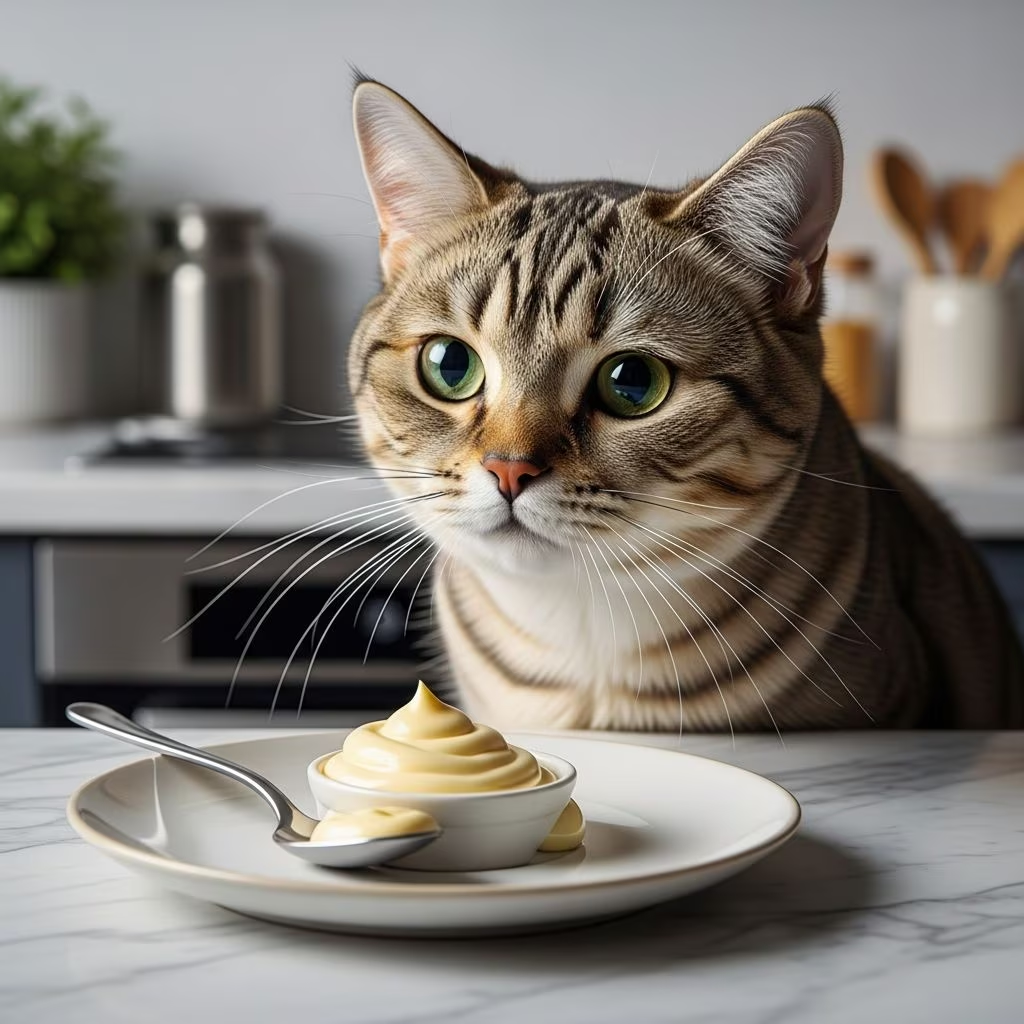
Can Cats Eat Mayo? Vet-Reviewed Nutrition Facts & Advice
Mayonnaise is a common condiment found in most households, but if you’re a cat owner, you might wonder whether it’s safe to share this creamy spread with your feline companion. While mayo may seem harmless and some cats appear attracted to its texture, it’s not a good idea to add mayo to your cat’s food as a meal topping or flavor enhancer. Although the basic ingredients aren’t considered toxic to cats, it’s still unhealthy for them. In general, mayo isn’t very nutritious, and it can be very high in fat, meaning your cat won’t really benefit from having mayo added to their diet.
What’s Inside Mayonnaise?
To understand whether mayo is safe for cats, it helps to know what goes into making it. Mayo mainly consists of eggs, oil, and an acid like lemon juice or vinegar. It’s made by emulsifying these ingredients together until they form a creamy texture. By examining these ingredients individually, it’s safe to say that basic mayo recipes don’t contain ingredients that are inherently harmful to cats.
Common Mayo Ingredients Breakdown
- Oil base: Usually vegetable oil such as canola oil. Most vegetable oils are detrimental for cats in high amounts.
- Egg yolk: Relatively safe for cats when given in small quantities.
- Acid: Usually vinegar or lemon juice, both of which are detrimental for cats.
- Seasonings: Some mayo varieties may have added ingredients like garlic or onion, which can be toxic in high enough amounts.
- Preservatives: Almost all commercial mayo contains preservatives to increase shelf life, which are generally not recommended for cats.
However, some mayo variants may have added seasonings, such as garlic or onion, that can be toxic in high enough amounts. Additionally, eggless imitations of mayo are manufactured for vegans or for those with egg allergies, which removes the one relatively cat-safe ingredient from such versions. Many variants also use additional ingredients that may or may not be safe for cats, such as sugar and salt—both of which aren’t good for cats.
Nutritional Value of Mayo for Cats
Mayo doesn’t contain any significant nutritional benefits for cats. If anything, its high fat content and calories can end up causing health complications. It is safe to say that there is no nutritional value to feeding your cat mayonnaise. In fact, feeding it to them, or too much of it anyway, can lead to obesity since mayo is very calorie-dense.
Cats are obligate carnivores, meaning they require a diet primarily composed of meat to thrive. They lack the enzymes necessary to process certain plant materials and derive little to no benefit from most human foods. Mayonnaise offers no essential nutrients that cats need for optimal health. Additionally, mayonnaise has a ton of calories that your cat doesn’t need. As a rule of thumb, you shouldn’t offer any human food to your cat without consulting your vet or a feline nutritionist.
Health Risks Associated with Mayo Consumption
While mayonnaise isn’t toxic to cats, consuming it can present several health risks, particularly if eaten in large quantities or on a regular basis. Understanding these risks can help you make informed decisions about your cat’s diet and take preventive measures.
Obesity and Weight Gain
One of the most significant health concerns associated with mayo consumption is the risk of obesity. Mayonnaise is extremely calorie-dense, with a single 14-gram serving containing around 100 calories. For a cat that typically needs between 200-250 calories per day, even small amounts of mayo can represent a substantial portion of their daily caloric intake. Unfortunately, feline obesity is a common health issue found in cats in the US, with about 60% of domestic cats being overweight. Obese cats are more likely to have joint problems, mobility issues, lack of energy, and a decreased lifespan. The excess fat content in mayo can contribute significantly to this widespread problem.
Digestive Upset
The high fat content in mayonnaise can be heavy for your cat’s digestive system, particularly if they have a sensitive stomach. Cats that consume too much mayo may experience gastrointestinal distress, including nausea, vomiting, and diarrhea. Some cats may also experience excessive drooling, also known as hypersalivation, after consuming mayo.
Lethargy and Loss of Appetite
If your cat consumes a large amount of mayo, they may appear dull or otherwise unwell, with decreased energy levels and reduced appetite. This lethargy can persist for several hours or even longer, depending on how much mayo they consumed and their individual sensitivity.
What Should You Do If Your Cat Eats Mayo?
If your cat ends up licking up a small amount of mayo, they shouldn’t experience any significant health complications. However, if they eat a large amount, they can get an upset stomach. Here’s what you should know and do if your cat consumes mayo:
Small Amount Consumption
If your cat licks up some mayonnaise, there’s very little chance that it’ll be toxic to them. A small taste of mayo is unlikely to cause serious harm. However, you should still monitor your cat for any adverse signs and watch for changes in behavior or digestive function.
Signs to Monitor
Be on the lookout for the following signs of gastrointestinal upset:
- Excessive drooling or hypersalivation
- Vomiting
- Appearing bloated or uncomfortable
- Diarrhea
- Appearing dull or otherwise unwell
- Decreased appetite or lethargy
- Excessive lip licking or nausea
When to Contact Your Veterinarian
If your cat shows signs of distress after eating some mayo, have them examined by your vet right away. While a small amount of mayo is unlikely to be dangerous, it’s always better to err on the side of caution when it comes to your pet’s health. Your veterinarian can assess your cat’s condition and provide appropriate treatment if necessary.
Prevention: Keeping Mayo Away from Your Cat
The best approach is to prevent your cat from eating mayo in the first place. Here are some practical tips for keeping this condiment away from your feline friend:
- Store mayo in a secure location that your cat cannot access, such as a refrigerator or closed pantry.
- Be mindful when preparing foods containing mayo, and keep your cat away from the kitchen during meal preparation.
- Never intentionally give your cat mayo as a treat or flavor enhancer, even in small amounts.
- If you drop mayo or spill it, clean it up immediately to prevent your curious cat from investigating.
- Educate family members and guests about not sharing human foods, particularly condiments, with your cat.
- Provide your cat with appropriate treats and snacks that are specifically designed for feline nutrition.
Better Alternatives to Mayo for Your Cat
Instead of sharing mayo with your cat, consider offering healthier alternatives that provide actual nutritional benefits. Some safe options include:
- Plain cooked chicken or turkey
- Small portions of cooked fish
- Commercial cat treats approved by your veterinarian
- Freeze-dried meat treats
- Small amounts of cooked eggs (without seasoning)
These alternatives can satisfy your cat’s natural carnivorous instincts while providing genuine nutritional value. Always consult with your veterinarian before introducing new foods to your cat’s diet, and remember that treats should comprise no more than 10% of your cat’s daily caloric intake.
Frequently Asked Questions
Q: Is mayonnaise toxic to cats?
A: No, mayonnaise is not toxic to cats. However, it’s still unhealthy for them due to its high fat and calorie content. Cats that eat mayonnaise are not at risk of dying from the condiment itself, but they can suffer from adverse side effects if they eat too much.
Q: Can kittens eat mayonnaise?
A: Kittens should never be given mayonnaise. Their digestive systems are even more delicate than those of adult cats, and the high fat content can quickly lead to vomiting, diarrhea, or digestive upset. Since kittens rely on nutrient-dense foods for proper growth and development, it’s best to keep mayo completely off the menu.
Q: What if my cat has already eaten mayo?
A: If your cat has eaten a small amount of mayo, there’s generally no need to panic. However, monitor your cat for signs of gastrointestinal upset such as vomiting, diarrhea, or lethargy. If your cat ate a large quantity or shows signs of illness, contact your veterinarian immediately.
Q: Can I use mayo to help with my cat’s hairballs?
A: No, mayo is not a safe or effective remedy for hairballs. While some people believe that the oil in mayo might help lubricate the digestive tract, this is not a reliable or recommended treatment. Consult your veterinarian for proper hairball remedies.
Q: What percentage of cats are overweight?
A: According to veterinary sources, approximately 60% of domestic cats in the United States are overweight or obese. Feeding cats high-fat human foods like mayonnaise contributes to this widespread health problem.
Q: Are there any benefits to giving mayo to cats?
A: While mayo does contain egg yolk, which provides a small amount of protein, the potential risks far outweigh any minor nutritional benefit. The high fat and calorie content, combined with other ingredients like preservatives and acids, makes mayo unsuitable for regular consumption by cats.
Conclusion
While technically cats can have mayo as it isn’t toxic, it doesn’t have any nutritional benefits for them. So, there’s really no need to feed mayo to your cat. Since it doesn’t really contain toxic ingredients, you often don’t have to worry too much if your cat licks up a small amount. However, you should do your best to prevent your cat from eating mayo, especially in large amounts. Mayonnaise offers no real nutritional benefits for cats, and its overconsumption will most likely be detrimental to your cat’s health. Feeding your cat more nutritious snacks and treats can help lower the risk of developing health issues and promote a happier and healthier lifestyle. Always consult with your veterinarian if you have questions about your cat’s diet or if your cat exhibits signs of illness after consuming any human food.
References
- Can Cats Eat Mayo? Vet-Reviewed Nutrition Facts & Advice — Catster. 2024. https://www.catster.com/nutrition/can-cats-eat-mayo/
- Can Cats Eat Mayo? Vet-Approved Health & Safety Guide — Hepper. 2024. https://articles.hepper.com/can-cats-eat-mayo/
- Can Cats Eat Mayonnaise? Vet-Verified Facts — Huston Veterinary. 2024. https://hustonveterinary.com/can-cats-eat-mayonnaise/
- 2023 AVMA Pet Ownership & Demographics Sourcebook — American Veterinary Medical Association. 2023. Obesity statistics for domestic cats referenced in veterinary nutrition guidelines.



