

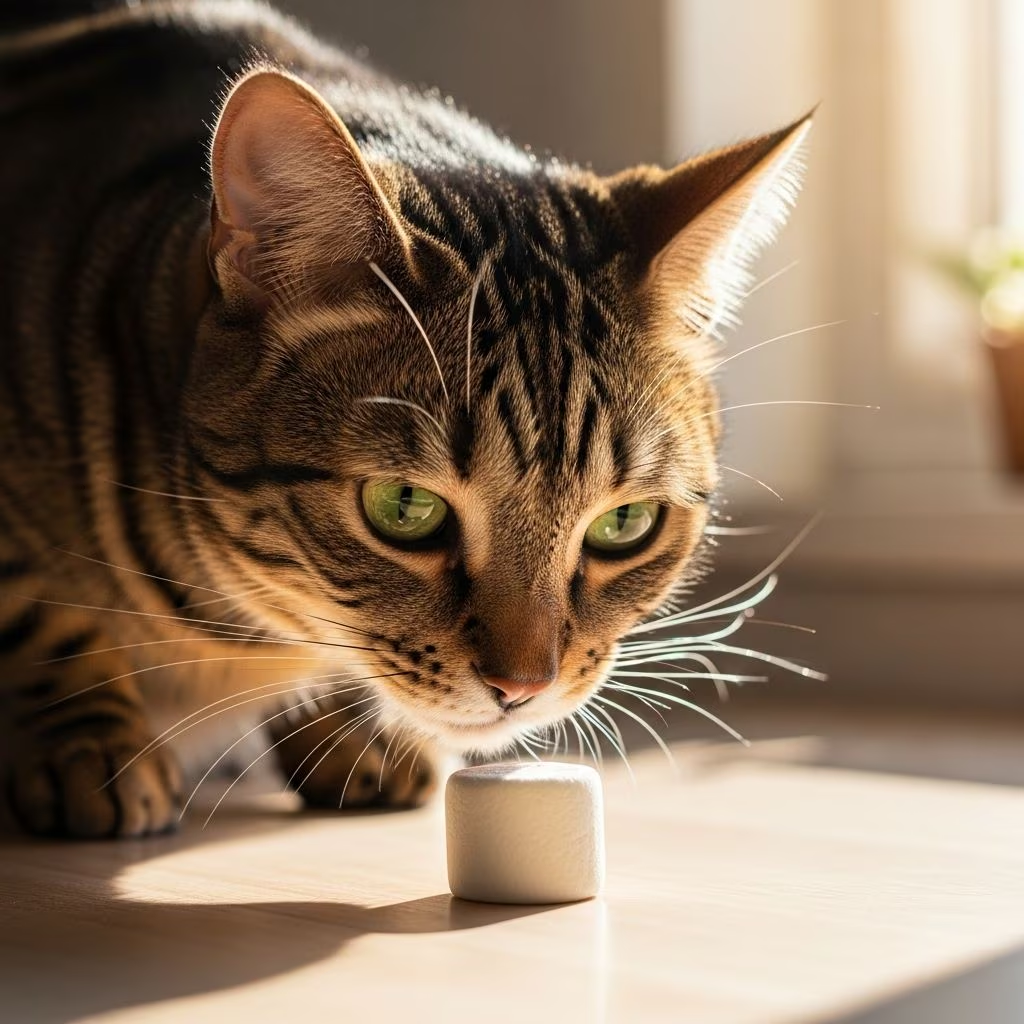
Marshmallows may seem like an innocent, fluffy treat, but they are not suitable for cats. While not toxic, their high sugar content, sticky texture, and lack of nutritional value make them a poor choice for feline diets. Cats are obligate carnivores, meaning their nutrition should primarily come from meat-based sources, not sugary confections.
Can cats eat marshmallows?
No, cats should not eat marshmallows. Veterinarian Dr. Butzer notes, “Marshmallows contain high amounts of sugar, which is not suitable for a cat’s diet.” This sugar provides zero health benefits and can lead to various issues. Cats lack the taste receptors for sweetness, so they don’t even enjoy the flavor that humans love.
The primary ingredients in marshmallows—sugar, corn syrup, gelatin, and cornstarch—offer no nutritional value for cats. As obligate carnivores, cats derive essential nutrients like taurine and proteins from animal sources. Plant-based or sugary foods like marshmallows disrupt this balance.
Choking Hazard from Marshmallows
The gooey, sticky texture that makes marshmallows appealing to humans poses a serious **choking risk** for cats. The powdery exterior can clump in the throat, potentially blocking airways. This danger applies to cats of all sizes and ages, similar to warnings for young children.
- Sticky consistency adheres to teeth and throat tissues.
- Difficulty chewing the dense, expanding material when wet.
- Risk increases with larger marshmallows or rapid consumption.
High Sugar Content in Marshmallows
Marshmallows are loaded with **sugar**, which cats cannot efficiently metabolize. Regular sugar intake leads to obesity, diabetes, and dental problems. Studies confirm cats cannot taste sweets, eliminating any pleasure-derived justification for offering them.
Even small amounts contribute unnecessary calories. A single standard marshmallow contains about 5 grams of sugar—significant for a cat’s tiny body mass.
Sodium and Other Concerns
Beyond sugar, marshmallows contain **sodium** from cornstarch and gelatin, which can cause dehydration or toxicity in excess. Artificial flavors or preservatives in some varieties may trigger allergies or digestive upset.
What are marshmallows made of?
Traditional marshmallows consist of:
- Sugar and corn syrup: Primary sweeteners (90%+ of content).
- Gelatin: Animal-derived protein for chewiness (not harmful in small amounts but unnecessary).
- Cornstarch: Thickening agent adding sodium.
- Flavorings and colors: Often artificial, irrelevant to cat nutrition.
Gelatin itself isn’t toxic—it’s derived from animal collagen—but combined with sugars, it offers no benefit. Sugar-free versions may contain **xylitol**, a highly toxic sweetener causing hypoglycemia and liver failure in cats.
| Ingredient | Percentage | Risk for Cats |
|---|---|---|
| Sugar/Corn Syrup | ~90% | Obesity, diabetes |
| Gelatin | ~2-3% | None major, but sticky |
| Cornstarch | ~5% | Sodium overload |
| Xylitol (sugar-free) | Varies | Toxic – avoid entirely |
What should I do if my cat has eaten marshmallows?
If your cat consumes one or two marshmallows, monitor closely—no immediate panic is needed since they’re not toxic. Watch for:
- Vomiting or diarrhea (from sugar overload).
- Lethargy or bloating (digestive upset).
- Choking signs: pawing at mouth, excessive salivation, distress breathing.
Contact your vet if symptoms appear or if more than a few were eaten. Provide fresh water to aid digestion and avoid further treats.
Emergency Steps
- Remove access to more marshmallows.
- Observe for 24-48 hours.
- Call vet or pet poison hotline (e.g., ASPCA) for large quantities.
Are marshmallows toxic to cats?
No, standard marshmallows are **not toxic** to cats. However, sugar-free varieties with xylitol are extremely dangerous, potentially fatal. Large quantities cause gastrointestinal issues, not poisoning.
Are marshmallows good for cats?
No, marshmallows provide **no nutritional benefits**. They lack proteins, fats, or vitamins cats need, potentially harming health via empty calories and risks.
Health Risks of Feeding Cats Marshmallows
Regular or excessive marshmallow consumption leads to:
- Obesity: High calories promote weight gain.
- Diabetes: Sugar spikes blood glucose.
- Dental Issues: Sticky residue causes plaque.
- Digestive Problems: Nausea, diarrhea, gas from undigested sugars.
- Dehydration: Sodium draws water from body.
Long-term, these contribute to metabolic diseases. Cats’ short digestive tracts aren’t built for carbs.
Healthier Alternatives: Safe Cat Treats
Opt for vet-approved treats meeting AAFCO standards:
- Commercial cat treats: Freeze-dried meat, low-calorie options.
- Plain cooked meats: Chicken, turkey (no seasoning).
- Catnip toys/treats: Stimulate without calories.
- Veggies: Small bits of cucumber or steamed broccoli (in moderation).
Avoid sharing human foods; 10% of diet max for treats, 90% complete cat food.
Understanding Feline Nutrition Basics
Cats require taurine, arachidonic acid, and high-protein diets. Human sweets contradict this, leading to deficiencies if substituted. Consult vets for personalized advice.
Frequently Asked Questions (FAQs)
Are marshmallows toxic to cats?
No, marshmallows are not toxic to cats. In large quantities, they might experience gastrointestinal upset. Another danger is choking due to texture.
Are marshmallows good for cats?
No, marshmallows are not good for cats. They offer no nutrition and pose health risks.
Can kittens eat marshmallows?
Absolutely not—kittens face higher choking risks and sensitive digestion.
What if my cat ate a whole bag of marshmallows?
Seek vet care immediately for potential sugar overload and choking.
Do cats like the taste of marshmallows?
Cats can’t taste sweetness, so they likely find them unappealing or get sick.
Final Thoughts on Cats and Human Treats
While tempting to share snacks, prioritize your cat’s health. Stick to species-appropriate foods for a long, happy life. If in doubt, ask your veterinarian.
References
- Can Cats Eat Marshmallows? Vet Approved Nutritional Facts & Risks — Catster. 2023-05-15. https://www.catster.com/nutrition/can-cats-eat-marshmallows/
- Safe vs Toxic Foods For Cats – Can My Cat Eat… — Sploot Vets. 2024-02-10. https://www.splootvets.com/post/can-my-cat-eat
- Can Cats Eat Marshmallows? Human Foods for Cats — Kinship. 2023-11-20. https://www.kinship.com/cat-nutrition/can-cats-eat-marshmallows
- Can Cats Eat Marshmallows Without Harm? — The Catto Pia. 2024-01-05. https://www.thecattopia.com/blog/can-cats-eat-marshmallows/
- Can a cat eat marshmallows? Yes/No — Amin Pet Shop. 2023-08-12. https://aminpetshop.com/blogs/news/can-a-cat-eat-marshmallows
- Marshmallows and Cats: Safety Tips You Must Know — Bailey’s CBD. 2024-03-18. https://baileyscbd.com/blogs/cat-nutrition/marshmallows-and-cats-what-you-need-to-know



