

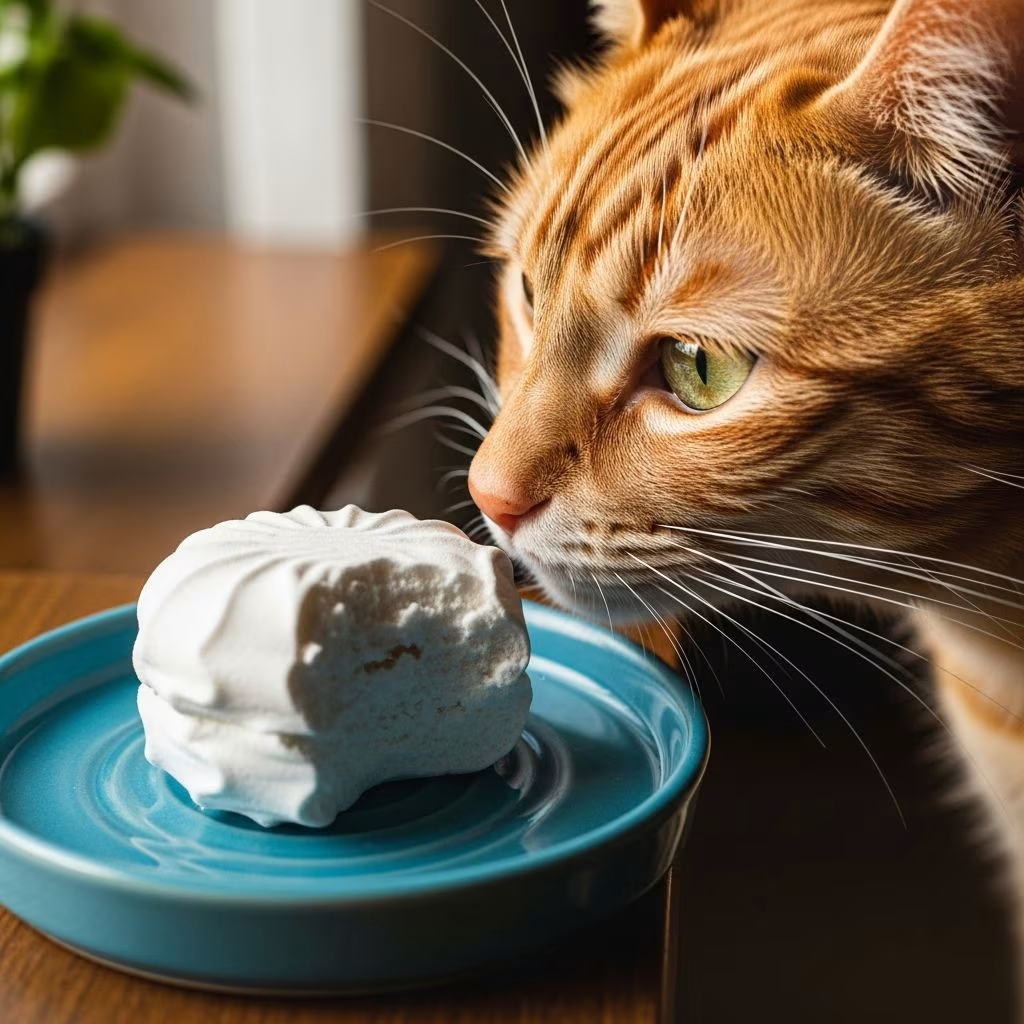
Marshmallows might seem like a fun, fluffy treat to share with your cat, but they pose several risks. While not toxic, their high sugar content, sticky texture, and lack of nutritional value make them unsuitable for feline diets. Cats are obligate carnivores, thriving on meat-based nutrition rather than sugary human foods.
Can cats eat marshmallows?
No, cats should not eat marshmallows. Veterinarian Dr. Butzer notes that “marshmallows contain high amounts of sugar, which is not suitable for a cat’s diet”. Cats lack the taste receptors for sweetness and cannot efficiently digest sugars, leading to potential health issues. The sticky, powdery texture also creates a choking hazard, as it’s difficult for cats to chew and swallow properly.
Regular consumption contributes to obesity, diabetes, and dental problems, with one standard marshmallow containing about 4.1 grams of sugar and 23 calories—significant for a cat’s typical 300-calorie daily intake. Sodium levels, around 5.8 mg per marshmallow, can cause dehydration or toxicity in excess.
What are marshmallows made of?
Marshmallows primarily consist of sugar, corn syrup, gelatin, cornstarch, and water, often with artificial flavors and colors. Gelatin derives from animal collagen, but the high sugar dominates. For cats, none provide benefits; sugar offers empty calories, while gelatin and cornstarch add unnecessary carbs.
Low-sugar varieties may contain xylitol, a toxic sweetener causing hypoglycemia and liver failure in cats. Always check ingredients before any treat.
Are marshmallows toxic to cats?
Marshmallows are not toxic to cats in small amounts. Unlike chocolate or grapes, they won’t cause immediate poisoning. However, large quantities lead to gastrointestinal upset, including vomiting, diarrhea, and bloating due to poor sugar digestion.
- Choking risk: Sticky texture can lodge in the throat.
- Sugar overload: Leads to weight gain and metabolic issues.
- Sodium excess: Promotes dehydration.
- Xylitol danger: In sugar-free versions, highly toxic.
What should I do if my cat ate marshmallows?
If your cat eats one or two marshmallows, monitor for symptoms like vomiting, diarrhea, lethargy, or choking signs. Contact your vet if issues arise, especially with multiple pieces or sugar-free types. Provide water to aid digestion and avoid further treats. Most cases resolve without intervention, but prompt action prevents complications.
Health risks of marshmallows for cats
Beyond immediate concerns, marshmallows offer no nutritional value for obligate carnivores needing high-protein, low-carb diets.
| Risk | Effects on Cats | Source |
|---|---|---|
| High Sugar | Obesity, diabetes, dental decay | |
| Choking Hazard | Throat obstruction, emergency vet visit | |
| Sodium Content | Dehydration, toxicity | |
| Digestive Upset | Vomiting, diarrhea, bloating | |
| Xylitol (sugar-free) | Hypoglycemia, liver failure |
Studies confirm cats derive minimal benefit from plant-based sugars, emphasizing meat-focused nutrition. Long-term sugar exposure mimics human issues like insulin resistance.
Alternatives to marshmallows for cats
Opt for cat-safe treats rich in protein and low in carbs.
- Commercial cat treats: Freeze-dried meat or fish treats (e.g., chicken, salmon).
- Homemade options: Plain cooked chicken, turkey, or tuna in water (no seasonings).
- Catnip toys: Stimulate play without calories.
- Veggie treats: Small amounts of cooked pumpkin or carrots for fiber.
- Dental chews: Vet-approved for oral health.
Limit treats to 10% of daily calories to maintain balance. Consult your vet for personalized recommendations.
Why can’t cats have sugar?
Cats lack functional sweet taste receptors, evolved for a meat-only diet. Their short digestive tracts inefficiently process carbs, leading to fermentation, gas, and diarrhea. Excess sugar spikes blood glucose, risking diabetes in predisposed cats. Sodium exacerbates kidney strain, common in felines.
The bottom line: Can cats eat marshmallows?
Skip marshmallows entirely. They provide no benefits, only risks like choking, obesity, and GI distress. Prioritize species-appropriate foods for a healthy, happy cat. Sharing human snacks tempts, but cat-specific options keep tails wagging safely.
FAQ (People Also Ask)
Are marshmallows toxic to cats?
No, marshmallows are not toxic to cats. In large quantities, they might experience gastrointestinal upset. Their texture poses a choking hazard.
Are marshmallows good for cats?
No, marshmallows are not good for cats. They offer no nutrition and can cause health issues like weight gain.
Can a small amount of marshmallow hurt my cat?
A tiny piece likely won’t harm, but monitor for upset stomach. Avoid regular feeding.
What if my cat loves sweets?
Cats can’t taste sweets well. Redirect to meaty treats or play for satisfaction.
Are vegan marshmallows safer?
No, they still contain high sugar and potential additives harmful to cats.
References
- Can Cats Eat Marshmallows? Vet Approved Nutritional Facts & Risks — Catster. 2023-10-15. https://www.catster.com/nutrition/can-cats-eat-marshmallows/
- Safe vs Toxic Foods For Cats – Can My Cat Eat… — Sploot Vets. 2024-05-20. https://www.splootvets.com/post/can-my-cat-eat
- Can Cats Eat Marshmallows? Human Foods for Cats — Kinship. 2024-02-12. https://www.kinship.com/cat-nutrition/can-cats-eat-marshmallows
- Can Cats Eat Marshmallows Without Harm? — The Catto Pia. 2023-11-08. https://www.thecattopia.com/blog/can-cats-eat-marshmallows/
- Can a cat eat marshmallows? Yes/No — Amin Pet Shop. 2024-01-05. https://aminpetshop.com/blogs/news/can-a-cat-eat-marshmallows
- Cats And Marshmallows — PetCareRx. 2023-09-18. https://www.petcarerx.com/article/cats-and-marshmallows/3382



