

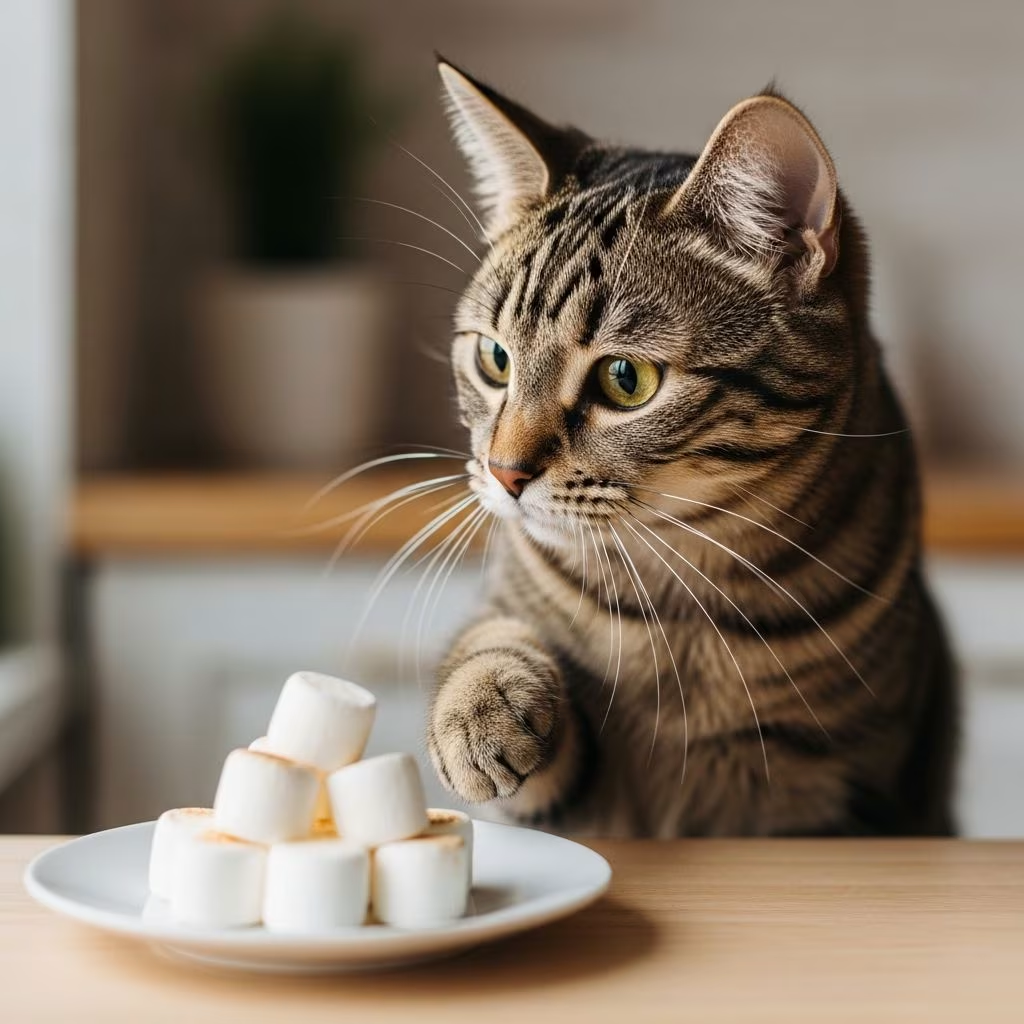
Marshmallows may seem like a fun, fluffy treat for humans, but they are not suitable for cats. Although not toxic, these sweets offer no nutritional value and carry significant risks including choking, excessive sugar intake, and potential xylitol poisoning in sugar-free varieties. This comprehensive guide, informed by veterinary insights, explores why cat owners should avoid sharing marshmallows and highlights safer alternatives to keep your feline happy and healthy.
Quick Answer: Can Cats Eat Marshmallows?
No, cats should not eat marshmallows. Regular marshmallows lack toxicity but are high in sugar and sodium, providing zero health benefits while risking obesity, digestive upset, and choking due to their sticky texture. Sugar-free options often contain xylitol, which is highly toxic to cats, causing severe hypoglycemia, seizures, and liver failure. Veterinary experts unanimously advise against offering them in any quantity.
Are Marshmallows Toxic to Cats?
Standard marshmallows made with sugar, corn syrup, and gelatin are not inherently poisonous to cats. A small accidental nibble is unlikely to cause immediate harm beyond mild stomach upset. However, toxicity becomes a real concern with sugar-free or low-sugar marshmallows, which frequently include xylitol as a sweetener. Xylitol triggers a rapid insulin release in cats, leading to dangerously low blood sugar levels, weakness, vomiting, seizures, and potentially fatal liver damage. Even a single mini marshmallow containing xylitol can be lethal for small cats.
- Regular Marshmallows: Non-toxic but unhealthy.
- Sugar-Free Marshmallows: Contain xylitol – highly toxic; contact a vet immediately if ingested.
- Key Vet Advice: Always check ingredients before any human food tempts your cat.
Why Are Marshmallows Bad for Cats?
Beyond potential toxicity, marshmallows pose multiple health threats tailored to a cat’s obligate carnivore biology. Cats lack the enzymes to efficiently digest sugars and carbohydrates, making processed sweets like marshmallows particularly problematic. Here’s a detailed breakdown of the primary risks:
Choking Hazard
The gooey, sticky consistency that makes marshmallows enjoyable for humans turns dangerous for cats. Their small throats and chewing habits mean a marshmallow can expand when moistened by saliva, lodging in the airway and causing choking. This risk applies to cats of all ages and sizes, similar to warnings for young children. Reports from pet owners and vets highlight cases where marshmallows required emergency intervention to dislodge.
- Sticky texture clings to teeth and throat.
- Expands in mouth, blocking airways.
- Mini marshmallows pose equal danger due to size.
High Sugar Content
A single standard marshmallow contains about 4.1 grams of sugar and 23 calories – a massive load for a cat’s typical 200-300 daily calorie intake. Cats cannot taste sweetness due to missing sweet taste receptors, so there’s no enjoyment factor. Regular sugar consumption leads to:
- Obesity: Excess calories promote weight gain and related issues like diabetes.
- Dental Problems: Sugar fuels plaque and tartar buildup.
- Metabolic Disorders: Elevated blood sugar risks feline diabetes.
High Sodium Levels
Marshmallows pack around 5.8 mg of sodium per piece, contributing to unnecessary salt intake. Cats on balanced commercial diets already meet sodium needs; extras strain kidneys and raise blood pressure risks, especially in older or heart-compromised felines.
Digestive Issues from Marshmallows
The combination of sugar, gelatin, and artificial additives disrupts a cat’s sensitive gut. Common symptoms include:
| Issue | Symptoms | Cause |
|---|---|---|
| Upset Stomach | Nausea, vomiting | Sugar overload, artificial flavors |
| Diarrhea | Loose stools, dehydration | Poor carb digestion |
| Bloating/Gas | Abdominal discomfort | Gelatin fermentation in gut |
| Allergic Reactions | Itching, mild swelling | Preservatives or colors |
These effects can onset within hours, lasting 1-3 days in mild cases.
What Happens If a Cat Eats a Marshmallow?
If your cat sneaks a marshmallow, monitor closely for 24-48 hours. Most pass small amounts uneventfully, but watch for:
- Vomiting or diarrhea.
- Lethargy, weakness (xylitol sign).
- Choking signs: gagging, pawing at mouth, blue gums.
- Seizures or collapse (emergency).
For one or two regular marshmallows, withhold food briefly and ensure water access. Contact your vet if symptoms appear or for sugar-free ingestion. Induce vomiting only under professional guidance.
Healthier Alternatives: Safe Cat Treats
Skip marshmallows and opt for vet-recommended treats that align with feline nutrition – high-protein, low-carb options:
- Commercial Cat Treats: Freeze-dried meat like chicken or salmon (e.g., Stella & Chewy’s).
- Plain Cooked Meats: Turkey, chicken – unseasoned, small pieces.
- Fish: Canned tuna in water (occasionally, to avoid mercury).
- Catnip Toys: For fun without calories.
- Veggies: Steamed broccoli or green beans for fiber (minimal).
Limit treats to 10% of daily calories. Consult your vet for personalized advice, especially for diabetic or overweight cats.
Other Human Foods Cats Can (and Can’t) Eat
Not all human snacks are off-limits, but caution is key. Safe occasional treats include small bits of cooked salmon or eggs. Strictly avoid:
- Toxic: Chocolate (theobromine), grapes/raisins (kidney failure), onions/garlic (anemia), xylitol products.
- Upsetting: Dairy (lactose intolerance), fatty foods (pancreatitis).
Always prioritize complete cat food for 90% of diet.
Frequently Asked Questions (FAQs)
Are marshmallows toxic to cats?
No, regular marshmallows are not toxic, but sugar-free ones with xylitol are deadly. They can still cause choking and GI issues.
Can a small amount of marshmallow hurt my cat?
A tiny piece might not, but risks choking or upset stomach. Better to avoid entirely.
What if my cat ate a marshmallow?
Monitor for symptoms; call vet if vomiting, lethargy, or xylitol suspected.
Do cats like the taste of marshmallows?
Cats can’t taste sweetness, so they rarely enjoy them and may spit them out.
Are there cat-safe marshmallow alternatives?
Yes, try meat-based treats or catnip for a fun, healthy option.
Conclusion
While tempting to share fluffy marshmallows with your purring companion, the risks far outweigh any fleeting pleasure. Choking hazards, sugar-induced obesity, sodium overload, digestive woes, and xylitol toxicity make them a poor choice for cats. Stick to species-appropriate treats to ensure your feline thrives. When in doubt, consult your veterinarian – a healthy cat is a happy cat.
References
- Can Cats Eat Marshmallows? Vet Approved Nutritional Facts & Risks — Catster. 2023. https://www.catster.com/nutrition/can-cats-eat-marshmallows/
- Can Cats Eat Marshmallows Without Harm? — The Catto Pia. 2023. https://www.thecattopia.com/blog/can-cats-eat-marshmallows/
- Can Cats Eat Marshmallows? Human Foods for Cats — Kinship. 2023. https://www.kinship.com/cat-nutrition/can-cats-eat-marshmallows
- Can a Cat Eat Marshmallows? — Amin Pet Shop. 2023. https://aminpetshop.com/blogs/news/can-a-cat-eat-marshmallows
- Cats and Marshmallows — PetCareRx. 2023. https://www.petcarerx.com/article/cats-and-marshmallows/3382



