

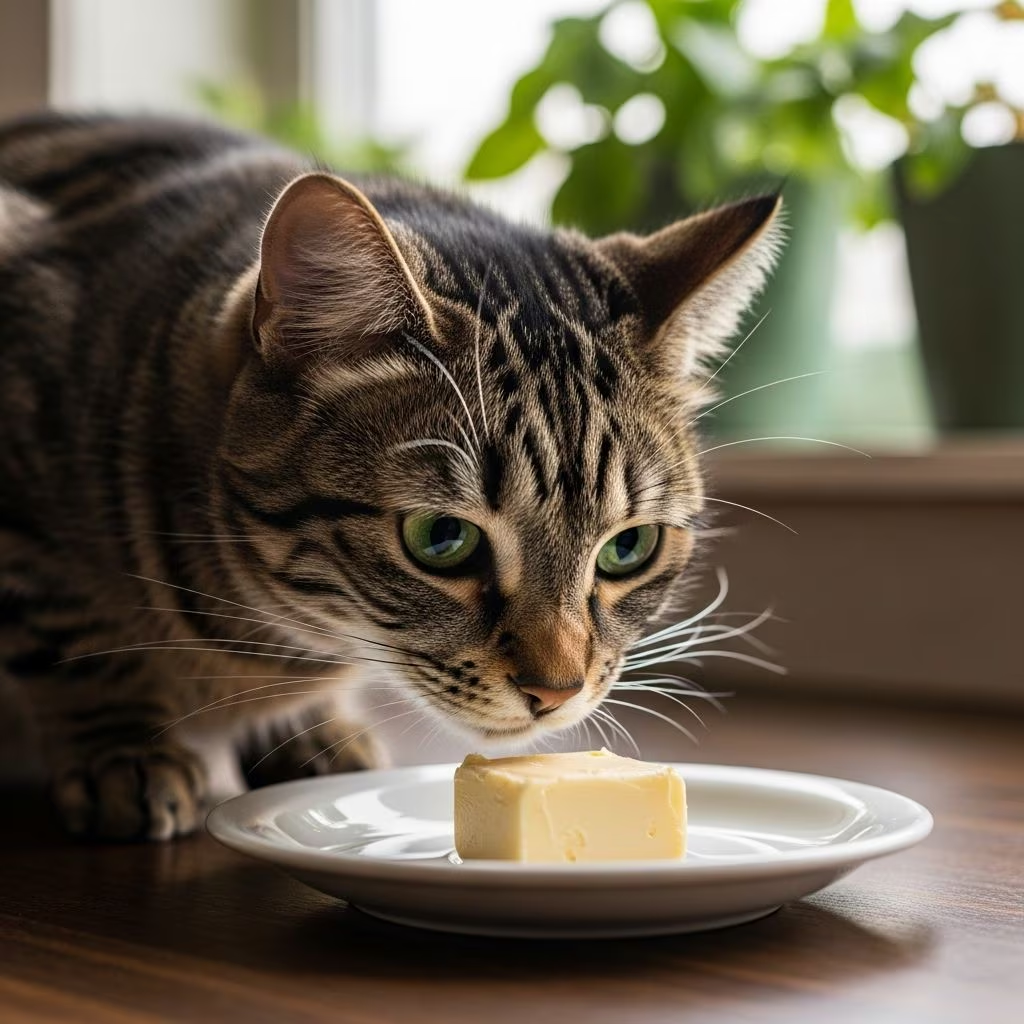
Margarine is not recommended for cats as it lacks essential nutrients and can cause health issues due to its high fat content. While small amounts are unlikely to harm a healthy adult cat, it’s best avoided entirely to prevent obesity, digestive upset, and other complications.
Cats are obligate carnivores with specific dietary needs that margarine does not fulfill. Made primarily from vegetable oils, water, and additives like salt or flavorings, margarine is designed for human consumption and offers no benefits for felines. Curious cats may beg for a taste, but pet owners should resist to safeguard their pet’s well-being.
Why Margarine Isn’t a Good Treat for Cats
Margarine serves as a butter substitute for humans but falls short for cats. Its base consists of vegetable oils such as soybean, corn, palm, canola, or olive oil, blended with water and often enhanced with salt, colorings, and artificial flavors. These ingredients are unsuitable for cats, whose digestive systems are adapted for meat-based proteins.
Unlike butter, which contains dairy (though still not ideal), margarine has no animal-derived components beneficial to cats. High in fats and calories but devoid of taurine, arachidonic acid, and other vital nutrients, it disrupts a balanced feline diet. Regular consumption could lead cats to skip their complete food, resulting in malnutrition.
Veterinarians emphasize that human spreads like margarine do not align with a cat’s carnivorous requirements. Cats require diets rich in animal proteins to thrive, and plant-based fats provide empty calories at best.
Consequences of a Cat Eating Margarine
The high fat and calorie density in margarine poses several risks. A single lick might not cause immediate harm, but repeated exposure can trigger gastrointestinal distress, including vomiting and diarrhea. In severe cases, excessive fat intake inflames the pancreas, leading to pancreatitis—a painful condition with symptoms like abdominal pain, lethargy, and appetite loss.
- Obesity: Margarine’s calorie-rich profile fills cats up without nutrition, promoting weight gain over time.
- Gastroenteritis: Inflammation of the intestinal lining causes upset stomach and loose stools.
- Pancreatitis: Fat overload stresses the pancreas, potentially life-threatening if untreated.
- Nutritional Imbalance: Cats may refuse balanced kibble or wet food, leading to deficiencies in essential amino acids like taurine.
Breeds prone to pancreatic issues, such as certain small dogs (though applicable to cats), face heightened risks. Even healthy cats ingesting large amounts may require veterinary attention if symptoms persist beyond 24 hours.
Preventing Your Cat From Eating Margarine
Proactive measures ensure your cat stays away from margarine. Store it in sealed containers high up or in the fridge, out of paw reach. Never leave it on counters during meal prep.
- Keep cats off kitchen surfaces by using deterrents like double-sided tape or citrus scents.
- Avoid table scraps entirely to prevent begging habits.
- Educate family, children, and guests not to share human foods.
- Feed multiple small meals daily with high-quality cat food to reduce cravings.
- Ignore begging; rewarding it reinforces the behavior.
Consistency is key. Cats learn quickly, so firm boundaries promote healthier habits.
Be Smart When Giving Your Cat Treats
Treats should comprise no more than 5-10% of daily calories. Opt for cat-specific products with minimal preservatives, ideally single-ingredient freeze-dried meats like chicken or fish. These provide protein without excess fats.
| Treat Type | Pros | Cons | Examples |
|---|---|---|---|
| Commercial Cat Treats | Formulated for cats, palatable | May contain fillers | Freeze-dried chicken |
| Human Meats (plain) | Lean protein source | High fat if not trimmed | Cooked turkey, chicken |
| Margarine/Butter | Appeals to taste | High fat, no nutrition | Avoid entirely |
Brands like PureBites or Whole Life offer nutritious options mimicking natural prey.
Know What Your Cat Needs Nutritionally
As obligate carnivores, cats derive nutrition from animal tissues. Key requirements include:
- High-Quality Protein: At least 26-30% for maintenance, higher for growth.
- Taurine: Essential amino acid for heart and eye health; absent in plants.
- Fats: Animal sources for arachidonic acid and omega-3s.
- Vitamins/Minerals: Balanced via AAFCO-approved foods.
Avoid vegan diets, which can cause severe deficiencies and are ethically questionable. Consult vets for life-stage-specific advice: kittens need growth formulas, seniors may require joint support.
Complete commercial foods meet these needs when fed appropriately. Wet food aids hydration, kibble supports dental health—rotate based on vet recommendations.
Frequently Asked Questions
What happens if my cat eats a little margarine?
Small amounts typically cause no issues in healthy adults, but monitor for vomiting or diarrhea. Contact a vet if symptoms worsen.
Is margarine toxic to cats?
No, it’s not toxic but unhealthy due to fats. Large quantities risk pancreatitis.
Can I give my cat butter instead?
Butter is similarly high-fat and not recommended, though plain licks are tolerated better than flavored versions.
What treats are safe for cats?
Lean cooked meats or commercial cat treats limited to 10% of calories.
How do I stop my cat begging for food?
Ignore pleas, provide scheduled meals, and use puzzle feeders for engagement.
References
- Can Cats Eat Margarine? Vet-Approved Health & Safety Guide — Hepper. 2023. https://articles.hepper.com/can-cats-eat-margarine/
- Can Cats Eat Butter? — PetMD, Sandra C. Mitchell, DVM, DABVP. 2023-10-15. https://www.petmd.com/cat/nutrition/can-cats-eat-butter
- Can Dogs and Cats Eat Butter? — Hill’s Pet Nutrition. 2024. https://www.hillspet.com/pet-care/nutrition-feeding/can-dogs-and-cats-eat-butter



