

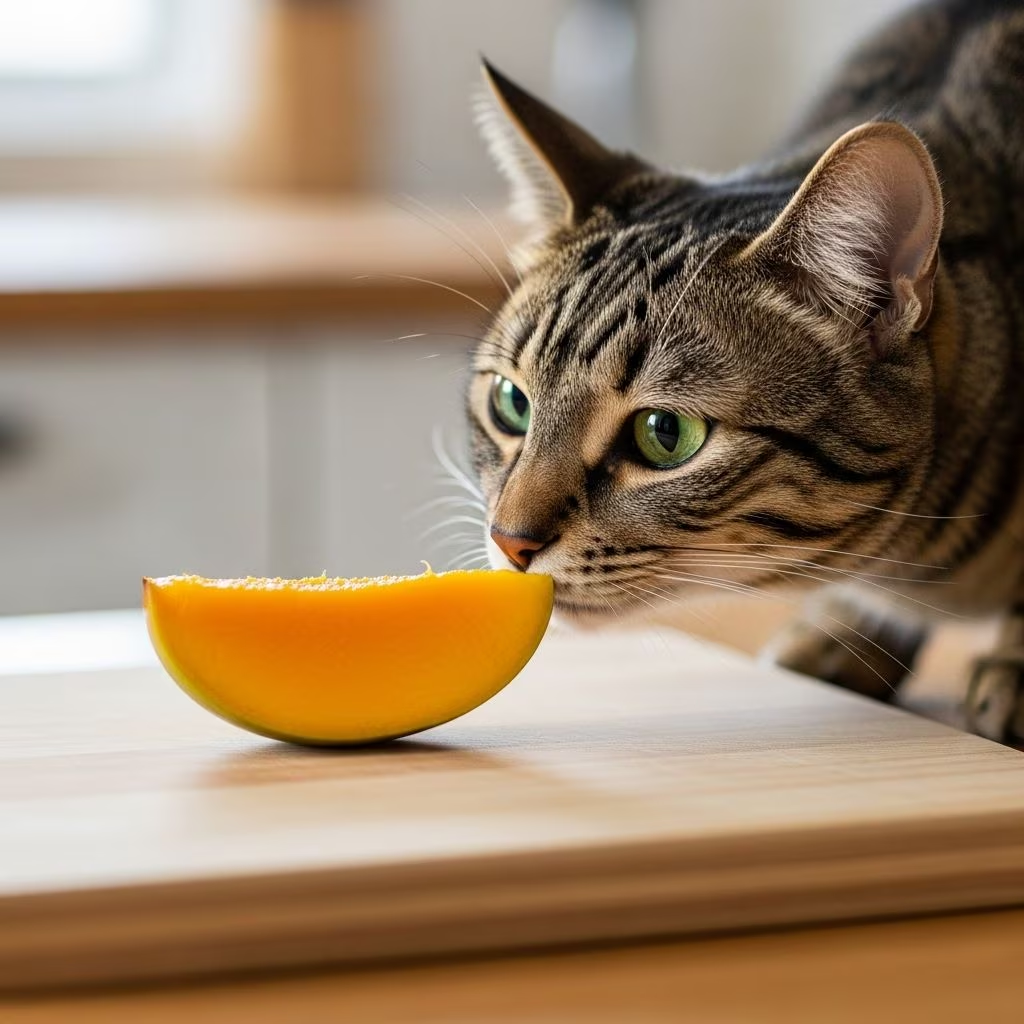
Mango, a sweet and juicy tropical fruit beloved by humans, sparks curiosity among cat owners wondering if it’s safe to share with their feline companions. The short answer is yes, cats can eat mango flesh in small amounts, as it is non-toxic and generally safe when prepared properly. However, as obligate carnivores, cats derive little nutritional value from fruits like mango, and overfeeding can lead to health issues due to its high sugar content.
This comprehensive guide explores mango’s safety for cats, its potential benefits and drawbacks, preparation methods, and answers to common questions. Drawing from veterinary insights, we’ll help you decide if mango deserves a spot in your cat’s occasional treat rotation.
Are Mangos Safe for Cats?
The ripe, fleshy part of the mango is safe for cats and not poisonous, according to multiple veterinary sources. Unlike toxic fruits such as grapes or cherries, mango poses no immediate danger to feline health when given sparingly. Cats’ inability to taste sweetness—due to lacking sweet taste receptors—means they may not even show strong interest, but some are drawn to the juicy texture or scent.
However, safety caveats abound. The pit, skin, and any unripe portions are hazardous. The large, hard pit presents a choking risk and contains trace cyanide compounds, while the skin is tough, fibrous, and may harbor urushiol (a compound related to poison ivy that can irritate skin or mouths). Spoiled mango can ferment, producing alcohol-like toxins. Always remove these parts before offering.
For most healthy adult cats, a tiny cube of fresh mango flesh once in a while won’t harm. But kittens, seniors, or cats with conditions like diabetes, obesity, pancreatitis, or gastrointestinal sensitivities should avoid it entirely, as sugars can trigger blood sugar spikes or digestive upset.
Nutritional Value of Mango for Cats
Mangoes pack nutrients beneficial for humans—vitamins A, C, B6, E, fiber, potassium, and antioxidants like mangiferin—but cats’ unique biology limits these perks. As obligate carnivores, cats thrive on animal-based proteins and fats, synthesizing their own vitamin C and obtaining most needs from quality cat food.
Here’s a breakdown of mango’s key nutrients per 100g serving and their relevance to cats:
| Nutrient | Amount | Benefit for Humans | Relevance for Cats |
|---|---|---|---|
| Calories | 60-107 kcal | Energy source | High; risks obesity if overfed |
| Sugars | 14-24g | Quick energy | Excess leads to dental issues, diabetes |
| Fiber | 1.6-3g | Digestion aid | Minimal need; too much causes diarrhea |
| Vitamin A | 25-54µg (25% DV) | Vision, immunity | Useful in small doses for skin/coat |
| Vitamin C | 36-76mg (76% DV) | Antioxidant | Cats produce it; excess risks stones |
| Vitamin B6 | 0.1-0.2mg | Metabolism | Minor absorption aid |
| Potassium | 168-257mg | Heart/muscle function | Limited benefit |
Antioxidants like mangiferin show anti-cancer and anti-inflammatory potential in studies, but feline-specific research is lacking. Fiber supports minor digestion help, yet cats get ample from meat-based diets. Overall, mango adds novelty, not necessity—stick to <10% of calories from treats.
Are Mangos Good for Cats?
No, mangos are not ‘good’ for cats in a nutritional sense. They don’t supply taurine, arachidonic acid, or other carnivore essentials. High sugar (fructose) offers empty calories, potentially contributing to weight gain, insulin resistance, or urinary issues over time. Veterinary nutritionists emphasize species-appropriate diets over fruits.
Potential upsides are marginal: hydration from water content (83%), slight vitamin boosts for immunity/skin, and fiber for gut motility. But drawbacks outweigh for regular use—excess fiber disrupts protein absorption, sugars fuel plaque, and calories add up fast. A 5kg cat needs ~200-250 kcal daily; one cup chopped mango (99kcal) is half!
- Hydration boost: High water aids in hot weather, but fresh water suffices.
- Antioxidants: May combat oxidative stress, per human studies; unproven in cats.
- Digestion: Tiny amounts prevent constipation; more causes loose stools.
View mango as a fun, low-stakes treat to bond with your cat, not a health food.
Potential Risks and Dangers of Feeding Mango to Cats
Beyond parts to avoid, risks include:
- Digestive upset: Diarrhea, vomiting from sugar/fiber overload.
- Obesity/diabetes: Frequent treats spike calories/blood sugar.
- Choking/asphyxiation: Large pieces or pits block airways.
- Allergies/irritation: Rare, but urushiol in skin causes dermatitis.
- Nutrient imbalance: Displaces balanced kibble/wet food.
Dried mango amplifies dangers—concentrated sugars (up to 80g/100g), preservatives like sulfites upset stomachs. Juice lacks fiber, promotes rapid sugar absorption. Cats with kidney issues risk oxalate stones from excess vitamins.
How to Safely Prepare and Feed Mango to Your Cat
Follow these steps for safe sharing:
- Select ripe fruit: Firm but yielding, no bruises/spoilage.
- Wash thoroughly: Remove pesticides.
- Peel skin: Discard tough exterior.
- Remove pit: Cut around the flat seed.
- Cube finely: 1cm pieces max, no strings.
- Portion control: 1-2 tsp (5-10g) weekly for average cat.
- Monitor reaction: First time? Watch for 24hrs.
Mix into meals or hand-feed as play. Freeze cubes for dental fun. Avoid processed products.
Why Do Cats Like Mango?
Despite sweet-blindness, cats may lick mango for juiciness, aroma (carotenoids), or curiosity. Textural appeal mimics prey wetness. Not all cats care—offer, don’t force.
Can Cats Eat Other Parts of the Mango?
- Skin: No—fibrous, indigestible, irritating compounds.
- Pit/Seed: No—choking hazard, cyanide traces.
- Leaves/Stems: No—potentially toxic.
- Dried/Juice: No—sugar bombs, additives.
Alternatives: Safe Fruits for Cats
Better low-sugar options:
- Blueberries: Antioxidants, low cal.
- Watermelon: Hydrating (seedless flesh).
- Apples: Peeled slices, fiber.
- Banana: Tiny amounts, potassium.
- Kiwi: Vitamin C, but peel.
Commercial fruit-infused treats ensure balance.
Frequently Asked Questions (FAQs)
Can cats eat dried mango?
No, avoid dried mango due to concentrated sugars and additives that cause digestive issues.
Is mango skin safe for cats?
No, the skin is fibrous and contains urushiol, which irritates skin and digestion.
How much mango can I give my cat?
Limit to 1-2 small cubes weekly; treats should be <10% diet.
Why is mango not good for cats despite vitamins?
Cats synthesize vitamin C and need meat nutrients; sugar risks outweigh benefits.
Can mango cause allergies in cats?
Rare, but watch for itching, swelling from urushiol or sensitivities.
References
- Can Cats Eat Mango | Expert Feline Nutrition & Safety Tips — Feline Fancy. 2023. https://felinefancy.co.uk/blogs/cat-care-tips/can-cats-eat-mango
- Can Cats Eat Mango? Vet Reviewed Nutrition Facts & Safety Guide — Catster. 2024-05-15. https://www.catster.com/nutrition/can-cats-eat-mango/
- Can Cats Eat Mango? Human Food for Cats – Kinship — Kinship. 2023. https://www.kinship.com/cat-nutrition/can-cats-eat-mango
- Can cats eat mango? A comprehensive guide to cats and fruit — Untamed. 2024. https://untamed.com/blogs/nutrition/can-cats-eat-mango
- Can Cats Eat Mango? A Complete Guide for Concerned Pet Parents — Noble Vet Clinic. 2024-02-20. https://noblevetclinic.com/blog/can-cats-eat-mango
- Can Cats Eat Mango? — Cats.com. 2023-11-10. https://cats.com/can-cats-eat-mango
- What Fruits Can Cats Eat? 19 Fruits Safe for Cats — PetMD. 2025-01-05. https://www.petmd.com/cat/nutrition/which-fruits-can-cats-eat



