

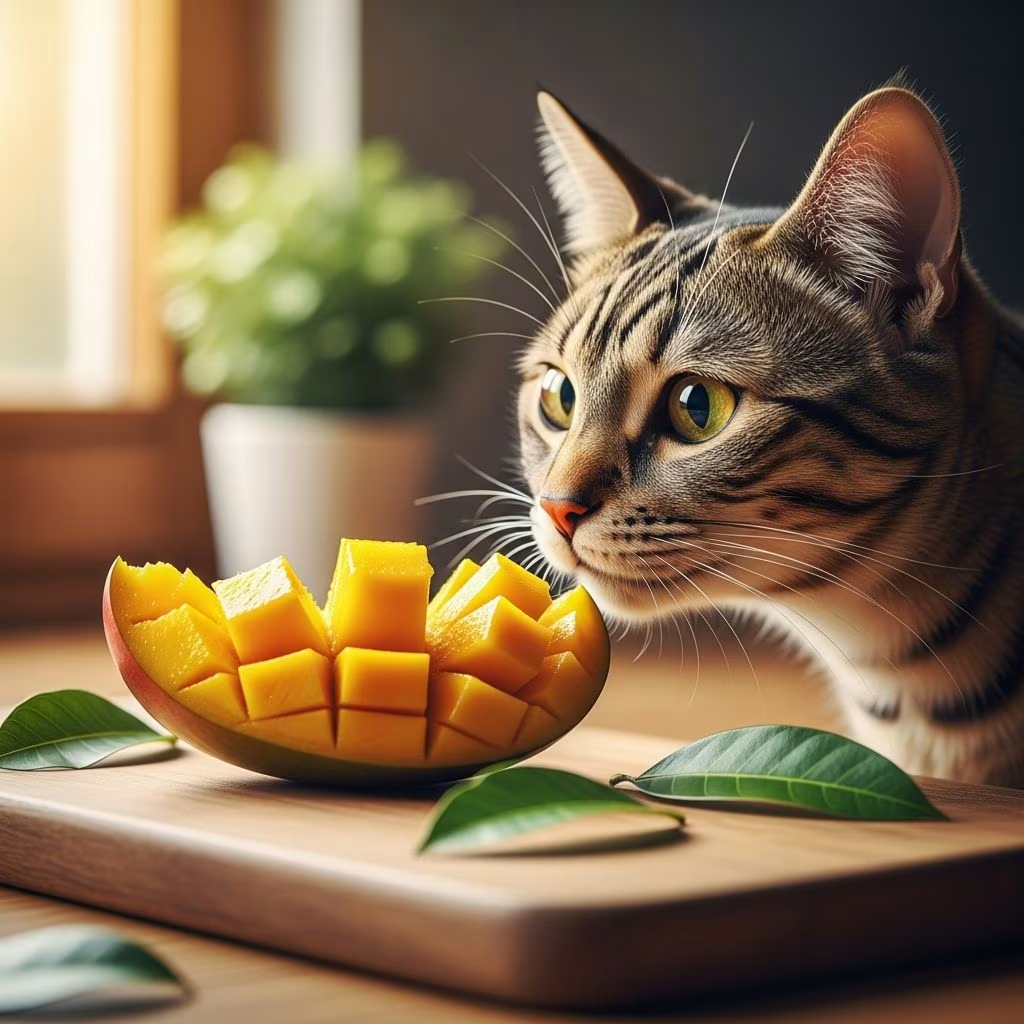
Can Cats Eat Mango? A Complete Guide for Cat Owners
If you’ve ever wondered whether your feline friend can safely enjoy a piece of mango while you’re enjoying this tropical fruit, you’re not alone. Many cat owners ask this question, especially when their curious pets show interest in the foods they consume. The straightforward answer is that mango flesh is safe for cats to eat in small amounts, but there are important considerations every pet owner should understand before sharing this fruit with their beloved companion.
Is Mango Safe for Cats?
The mango fruit itself is non-toxic to cats, which is reassuring news for pet owners who worry their cat may have stolen a bite. Unlike some fruits that pose genuine health risks, mango flesh does not contain toxic compounds that would immediately harm your cat. However, safety and nutritional value are two different matters, and just because something is safe doesn’t mean it’s beneficial or recommended as a regular treat.
While mango is generally safe in moderation, there are several reasons why veterinarians and feline nutrition experts recommend limiting how much mango your cat consumes:
- High sugar content: Mango contains approximately 24 grams of sugar per 100 grams of fruit, which is excessive for cats who don’t require or benefit from dietary sugars in the same way humans do.
- Digestive sensitivity: Cats have evolved as obligate carnivores, and their digestive systems are optimized for processing protein rather than plant-based foods.
- Limited nutritional value: While mango offers numerous benefits to humans, the nutritional advantages to cats are minimal, especially since cats obtain complete nutrition from quality cat food.
Are Mangos Good for Cats?
Despite being a nutritional powerhouse for humans, mangos are not particularly beneficial for cats. Cats are obligate carnivores, meaning their bodies have evolved over thousands of years to thrive exclusively on animal-based proteins and nutrients. When you understand feline nutritional requirements, it becomes clear why mango offers little value to your pet.
Nutritional Content of Mango (per 100g):
| Nutrient | Amount | Benefit to Cats |
|---|---|---|
| Calories | 60 calories | Not necessary; cats get sufficient calories from meat |
| Sugars | 24g | Can cause digestive upset and blood sugar spikes |
| Fiber | 3g | Cats don’t require additional fiber; excess can disrupt digestion |
| Vitamin C | 76% DV | Cats synthesize their own; excess may cause kidney stones |
| Vitamin A | 25% DV | Beneficial in minimal amounts from quality cat food |
| Vitamin B6 | 0.2mg | Present in adequate amounts in standard cat diets |
| Protein | 1g | Insufficient; cats need 30-40% protein in their diet |
Limited Benefits That Mango May Provide
While the benefits are modest, mango does contain some nutrients that could theoretically support feline health when consumed in extremely limited quantities:
- Fiber: A small amount of dietary fiber might marginally support digestive health, though cats don’t naturally require significant fiber intake. Too much fiber can actually interfere with nutrient absorption and cause digestive distress.
- Vitamins and minerals: Mango contains vitamin A, vitamin E, vitamin B9 (folate), vitamin B6, and vitamin K, along with potassium and other minerals. However, these are all present in adequate quantities in high-quality commercial cat food.
- Antioxidants: Mango contains mangiferin and other potent antioxidants that are being studied for potential anti-cancer, antiviral, and anti-aging properties. While these compounds are interesting from a nutritional perspective, cats have different antioxidant requirements than humans and obtain sufficient amounts from their regular diet.
The bottom line is that the occasional mango small treat is generally safe for most healthy cats, but it offers negligible nutritional advantages compared to their complete and balanced commercial diet.
Why Do Cats Like Mangos?
If your cat shows interest in mango, you might be surprised to learn that most cats cannot actually taste sweet flavors. Cats are “sweet blind,” lacking the taste receptors that allow humans and many other animals to perceive sweetness. So why would your cat be interested in mango if they can’t taste the sweetness?
The answer lies in other sensory characteristics of the fruit:
- Aroma: The sweet-smelling compounds in ripe mango can attract cats through their highly developed sense of smell, which is far superior to human olfaction.
- Texture and moisture: The soft, juicy texture of ripe mango, combined with its high water content, may appeal to cats’ natural instincts and preferences.
- Curiosity: Cats are naturally curious creatures and often show interest in foods their owners are consuming, even if they have no nutritional drive to eat them.
Can Cats Eat All Parts of a Mango?
While the flesh of the mango is safe for cats, not all parts of the fruit are appropriate or safe for feline consumption. Understanding which parts to avoid is crucial for keeping your cat safe.
The Pit (Seed)
The mango pit presents two significant dangers to cats:
- Cyanide content: Mango pits contain trace amounts of cyanide, a toxic compound that can be dangerous in sufficient quantities
- Choking hazard: The large, hard pit poses a severe choking risk if your cat attempts to swallow it
Always remove the pit completely before offering any mango to your cat, and never leave a mango pit within your pet’s reach.
The Skin
Mango skin should never be fed to cats for several important reasons:
- Fiber content: The skin is very fibrous and hard for cats to chew and digest properly
- Urushiol compound: Mango skin contains urushiol, a compound that can be irritating to the skin and digestive system
- Pesticide residue: Commercial mangoes may be coated with pesticides and other agricultural chemicals that could upset your cat’s stomach
Mango Flesh
Only the soft, peeled flesh of a ripe mango is appropriate for cats. This is the portion that is non-toxic and safe in small amounts.
How to Safely Prepare Mango for Your Cat
If you decide to offer your cat a small piece of mango, proper preparation is essential for their safety and wellbeing.
Preparation Steps
- Select a ripe mango: Choose a mango that is soft and easy to peel, avoiding unripe or overripe fruit that may be difficult to digest or contain fermented compounds
- Wash thoroughly: Rinse the mango under clean water to remove any dirt or pesticide residue from the skin
- Peel completely: Remove the entire skin, ensuring no fibrous or urushiol-containing material remains
- Remove the pit: Carefully extract the large pit, being thorough to prevent your cat from accessing any part of it
- Cut into small pieces: Offer only tiny, soft cubes that present minimal choking risk and are easy for your cat to consume
- Serve plain: Never add sugar, preservatives, artificial flavoring, or other additives
What to Avoid
Certain mango preparations are absolutely not recommended for cats:
- Dried mango: Dried mango has a much higher sugar concentration and often contains preservatives or additives that can upset your cat’s digestive system
- Mango juice: Juice lacks the fiber of whole fruit and concentrates the sugar content, making it inappropriate for feline consumption
- Mango with added sugars or artificial sweeteners: Any processed mango product with additional sugars or artificial ingredients should never be given to cats
- Spoiled mango: Fermented or spoiled mango can produce alcohol-like substances that are toxic to cats
Are Mangos Safe for All Cats?
While most healthy adult cats can tolerate a tiny amount of fresh mango without immediate harm, not all felines are equally equipped to handle this fruit. Certain cats should avoid mango altogether due to underlying health conditions:
- Cats with pancreatitis: The sugar content in mango can cause blood sugar spikes that are dangerous for cats with pancreatic inflammation
- Cats with food sensitivities: Some cats have heightened sensitivities to fruits and vegetables that can trigger digestive upset
- Cats with gastrointestinal issues: Cats with inflammatory bowel disease, sensitive stomachs, or other GI conditions should avoid mango due to its potential to cause digestive distress
- Obese or diabetic cats: The high sugar content makes mango inappropriate for weight management and can exacerbate diabetes
- Cats with dental disease: While soft, mango can contribute to additional plaque and tartar buildup in cats with existing dental problems
If your cat has any underlying health conditions, consult with your veterinarian before offering any mango to ensure it won’t interfere with their treatment or management.
Potential Health Risks of Mango for Cats
Understanding the potential downsides of mango consumption helps responsible pet owners make informed decisions about their cat’s diet.
Excessive Sugar Content
With approximately 24 grams of sugar per 100 grams of fruit, mango is quite high in natural sugars. For cats whose bodies have no evolutionary need for dietary carbohydrates or sugars, this presents several risks:
- Weight gain and obesity
- Dental problems and cavity formation
- Blood sugar spikes, particularly dangerous for diabetic cats
- Digestive upset in cats with sensitive stomachs
Vitamin C Accumulation
Unlike humans, cats synthesize their own vitamin C internally and don’t require dietary sources of this vitamin. In fact, excessive dietary vitamin C can be problematic for cats. If your cat receives excess vitamin C, it might accumulate in the body and contribute to the formation of kidney or bladder stones, a serious condition requiring veterinary intervention.
Fiber-Related Issues
While fiber can support digestive health in appropriate amounts, cats don’t require significant dietary fiber. The fiber content in mango, if consumed in excess, can disrupt nutrient absorption and cause stomach upset, constipation, or other digestive issues.
Choking and Digestive Obstruction
If mango pieces are too large or if your cat doesn’t chew thoroughly, there’s a risk of choking or intestinal obstruction. Always ensure pieces are appropriately sized and supervise your cat while eating any human food.
Frequently Asked Questions About Cats and Mango
Q: Can dried mango be given to cats?
A: No, dried mango is not recommended for cats. Dried mango has significantly higher sugar concentration than fresh mango and often contains preservatives or additives that can upset your cat’s digestive system. Since cats don’t require the sugars found in fruits, it’s best to avoid dried mango entirely and stick exclusively to fresh mango in very limited quantities if you choose to offer it at all.
Q: How much mango can I safely give my cat?
A: Mango should only be offered as an extremely occasional treat in very small amounts. A few small soft cubes, no more than once a month, is an appropriate guideline for healthy adult cats. Many experts recommend offering mango only rarely, such as every few months, to ensure it doesn’t become a regular part of your cat’s diet and displace more nutritious food.
Q: Why can’t cats taste sweetness in mango?
A: Cats lack the taste receptors necessary to perceive sweet flavors, a condition known as being “sweet blind.” This is an evolutionary adaptation reflecting cats’ nature as obligate carnivores that wouldn’t encounter sweet fruits in their natural diet. This is actually beneficial because it means cats don’t seek out sugary foods the way humans do, reducing the temptation to offer them inappropriate treats.
Q: What should I do if my cat eats mango skin?
A: If your cat accidentally consumes mango skin, monitor them closely for signs of digestive upset such as vomiting, diarrhea, or loss of appetite. The skin contains urushiol and is very fibrous, which can irritate the digestive system. If your cat shows any signs of distress or if symptoms persist, contact your veterinarian immediately.
Q: Is mango juice safe for cats?
A: No, mango juice is not recommended for cats. Juice concentrates the sugar content of the fruit while removing the fiber, making it even less appropriate for feline consumption than whole fruit. Additionally, store-bought mango juice often contains added sugars and preservatives that could upset your cat’s stomach.
Q: Can kittens eat mango?
A: Kittens have developing digestive systems that are even more sensitive than adult cats. It’s best to avoid offering mango to kittens entirely and wait until they’re fully mature before considering any fruit treats, if at all.
Q: What are better treat alternatives for my cat?
A: Rather than offering mango or other fruits, consider offering cat-specific treats that provide nutritional value aligned with feline dietary needs. High-quality commercial cat treats, cooked plain chicken or turkey, or specially formulated feline snacks are much more appropriate choices that won’t disrupt your cat’s digestive system or nutritional balance.
The Bottom Line: Should You Give Your Cat Mango?
While mango flesh is technically safe for cats in very small amounts, it’s not recommended as part of your cat’s regular diet or even as an occasional treat. The high sugar content, limited nutritional value, and potential for digestive upset make mango an unnecessary addition to your cat’s menu. Cats are obligate carnivores whose nutritional needs are best met through high-quality commercial cat food formulated specifically for their species-specific requirements.
If your cat shows interest in the mango you’re eating, feel free to let them sniff or lick a tiny piece out of curiosity, but don’t make a habit of offering this fruit as a treat. Your cat’s digestive system and overall health will be better served by maintaining a diet focused on animal proteins and nutrients they actually need. When it comes to treating your beloved feline companion, remember that you’re showing them love through appropriate nutrition and care, not through sharing human foods that offer minimal benefit and potential risks.
Always consult with your veterinarian before introducing any new foods to your cat’s diet, especially if your cat has any underlying health conditions or dietary sensitivities.
References
- Can Cats Eat Mango? Human Food for Cats — Kinship. Accessed January 2026. https://www.kinship.com/cat-nutrition/can-cats-eat-mango
- Can Cats Eat Mango? Vet Reviewed Nutrition Facts & Safety Guide — Catster. Accessed January 2026. https://www.catster.com/nutrition/can-cats-eat-mango/
- Can Cats Eat Mango | Expert Feline Nutrition & Safety Tips — Feline Fancy. Accessed January 2026. https://felinefancy.co.uk/blogs/cat-care-tips/can-cats-eat-mango
- Can cats eat mango? A comprehensive guide to cats and fruit — Untamed. Accessed January 2026. https://untamed.com/blogs/nutrition/can-cats-eat-mango
- Can Cats Eat Mango? A Complete Guide for Concerned Pet Parents — Noble Vet Clinic. Accessed January 2026. https://noblevetclinic.com/blog/can-cats-eat-mango
- Can Cats Eat Mango? — Cats.com. Accessed January 2026. https://cats.com/can-cats-eat-mango



