

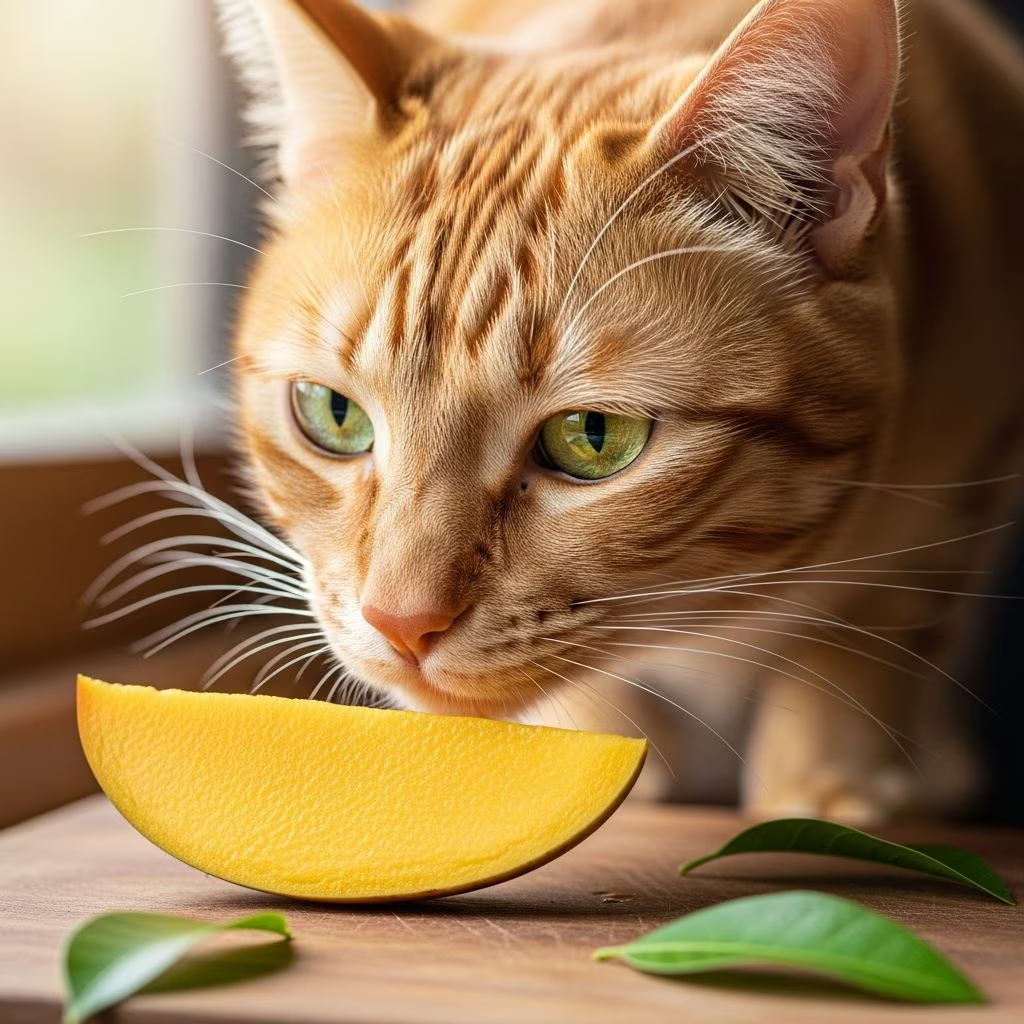
Mango is a delicious, nutritious superfood for humans, packed with vitamins and sweetness. But can cats eat mango? The answer is yes, in small amounts, the ripe flesh of mango is safe and non-toxic for cats. As obligate carnivores, cats derive essential nutrients from meat-based diets, so fruits like mango should only be occasional treats to avoid health issues from excess sugar and fiber.
The Mango Nutrition Profile: Human Superfood vs. Feline Treat
Mangoes boast impressive nutrition for people: one cup (about 165g) provides roughly 99-107 calories, 3g fiber, 24g sugars, 1g protein, 257mg potassium, 76% daily value vitamin C, 25% vitamin A, and vitamin B6. These support immunity, digestion, and skin health in humans. For cats, however, these nutrients are less critical. Cats synthesize their own vitamin C and get ample vitamin A from prey or quality cat food. Excess fiber or sugar offers no benefit and may cause upset.
| Nutrient (per 1 cup chopped mango) | Amount | Benefit for Humans | Relevance for Cats |
|---|---|---|---|
| Calories | 99-107 | Energy source | High; risks obesity if overfed |
| Fiber | 3g | Digestion aid | Minimal need; excess causes diarrhea |
| Sugars | 24g | Quick energy | Harmful; can lead to diabetes, dental issues |
| Vitamin C | 76% DV | Immunity boost | Cats produce it naturally |
| Vitamin A | 25% DV | Vision, skin | Beneficial in small doses from diet |
| Potassium | 257mg | Heart health | Adequate in commercial cat food |
This table highlights why mango isn’t a staple for cats—its profile suits omnivorous humans better than carnivorous felines.
Is Mango Safe for Cats?
Yes, mango flesh is non-toxic and safe in moderation for most healthy cats. The ASPCA and veterinary sources confirm mangoes pose no acute poisoning risk. However, safety caveats abound: high sugar content (24g per cup) can contribute to obesity, diabetes, or dental problems. Fiber may cause loose stools, and overfeeding risks choking or digestive distress. Cats are ‘sweet-blind,’ lacking taste receptors for sweetness, so appeal varies—some love the texture, others ignore it.
- Choking hazard: Large pieces or pits.
- Sugar overload: Leads to weight gain or blood sugar spikes.
- Fiber excess: Diarrhea or nutrient malabsorption.
- Sensitive cats: Avoid if history of pancreatitis, GI issues, or allergies.
Limit to 1-2 small cubes (pea-sized for kittens) weekly, max 10% of calories from treats.
Health Benefits of Mango for Cats
While not essential, small amounts offer minor perks. Vitamin A supports vision, immune function, and coat health—cats benefit modestly beyond diet sources. Trace vitamin B6 aids fat/protein metabolism. Fiber promotes gentle digestion, and high water content (83%) aids hydration. Antioxidants like mangiferin show anti-inflammatory potential in studies, though feline-specific research is limited. These are bonuses, not substitutes for taurine-rich meat.
- Vitamin A: Boosts immunity, skin/coat.
- Vitamin B6: Nutrient absorption.
- Fiber: Mild laxative effect.
- Antioxidants: Potential anti-cancer, antiviral properties.
- Hydration: Juicy texture encourages drinking.
PetMD notes mango supports digestion and immunity in cats when fed sparingly.
Potential Risks and Dangers of Mango for Cats
Despite safety, risks make mango a treat, not staple. Primary concern: sugars fueling obesity (cats need <10% calories from carbs). Excess vitamin C risks oxalate stones in kidneys/bladder. High fiber disrupts carnivore digestion. Urushiol in skin irritates like poison ivy. Pits contain cyanide traces and choke; peels are indigestible, pesticide-laden.
- Obesity/Diabetes: Sugar mimics human junk food effects.
- Dental decay: Sticky sugars promote plaque.
- GI upset: Vomiting, diarrhea from fiber/sugar.
- Choking/Toxicity: Pits, skin, spoiled fruit.
Cats with diabetes, obesity, or sensitivities should skip it entirely.
Which Parts of the Mango Are Dangerous?
Only ripe, peeled flesh is safe. Avoid:
- Pit: Choking hazard, cyanide traces—never offer.
- Skin/Peel: Fibrous, urushiol irritant, pesticides.
- Leaves/Stem: Contain urushiol allergens.
- Immature/Spoiled: Tannins upset stomach; fermented risks alcohol toxicity.
Always inspect for mold or rot.
How to Prepare and Serve Mango Safely to Cats
Moderation is key: small, fresh pieces without additives. Steps:
- Select ripe, organic mango (wash thoroughly).
- Slice off cheeks, cut around flat pit.
- Peel skin completely.
- Cube into tiny, soft pieces (1/4-inch max).
- Remove strings/fibers.
- Offer 1-2 pieces plain; supervise.
- Store leftovers refrigerated, use within 2 days.
Wash hands/tools to avoid residue. Introduce gradually to check tolerance.
Can Cats Eat Dried Mango, Mango Juice, or Mango Chutney?
No. Dried mango concentrates sugars (up to 80g/100g), risks GI distress or pancreatitis. Often has sulfites/preservatives toxic to cats. Juice lacks fiber, high sugar promotes diarrhea. Chutneys contain onions/garlic (toxic), vinegar, spices—strictly avoid.
- Dried: Sugar overload, additives.
- Juice: No nutrition, dehydration risk from diarrhea.
- Processed: Toxic ingredients like garlic.
Why Do Cats Like Mango? (Or Not)
Cats can’t taste sweet due to absent Tas1r2 receptors, but enjoy juicy texture, mild scent, or novelty. Curiosity drives sampling; some beg for more.
Alternatives: Other Safe Fruits for Cats
For variety, try these low-sugar options:
- Blueberries: Antioxidants, low calorie.
- Watermelon (seedless, rindless): Hydrating.
- Cantaloupe: Vitamin A, fiber.
- Apples (peeled, small pieces): Crunchy treat.
- Bananas: Potassium, but high sugar—sparingly.
Always prioritize meat-based treats.
Frequently Asked Questions (FAQs)
Can cats eat mango skin?
No, mango skin is tough, fibrous, and contains urushiol, which irritates skin/mouth. Always peel.
Is dried mango safe for cats?
No—concentrated sugars and additives cause digestive issues.
How much mango can I give my cat?
1-2 small cubes occasionally, not daily. Treats <10% diet.
Can kittens eat mango?
Pea-sized amounts after 8 weeks; monitor closely.
What if my cat ate a mango pit?
Contact vet immediately—choking/cyanide risk.
Does mango cause allergies in cats?
Rare, but watch for itching, swelling, vomiting.
References
- Can Cats Eat Mango | Expert Feline Nutrition & Safety Tips — Feline Fancy. 2023. https://felinefancy.co.uk/blogs/cat-care-tips/can-cats-eat-mango
- Can Cats Eat Mango? Vet Reviewed Nutrition Facts & Safety Guide — Catster. 2024-05-15. https://www.catster.com/nutrition/can-cats-eat-mango/
- Can Cats Eat Mango? Human Food for Cats — Kinship. 2023. https://www.kinship.com/cat-nutrition/can-cats-eat-mango
- Can cats eat mango? A comprehensive guide to cats and fruit — Untamed. 2024. https://untamed.com/blogs/nutrition/can-cats-eat-mango
- Can Cats Eat Mango? A Complete Guide for Concerned Pet Parents — Noble Vet Clinic. 2024-01-10. https://noblevetclinic.com/blog/can-cats-eat-mango
- Can Cats Eat Mango? — Cats.com. 2023-08-20. https://cats.com/can-cats-eat-mango
- What Fruits Can Cats Eat? 19 Fruits Safe for Cats — PetMD. 2025-03-12. https://www.petmd.com/cat/nutrition/which-fruits-can-cats-eat



