

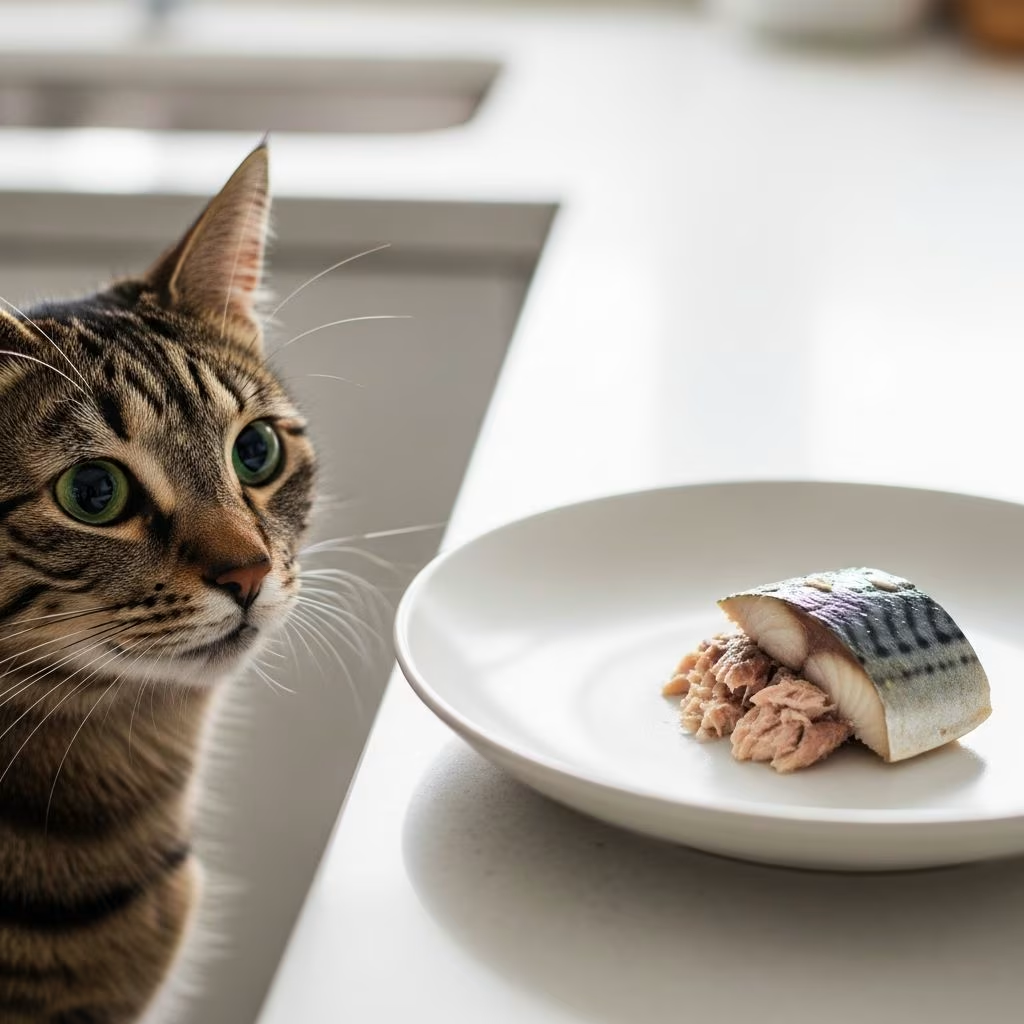
Can Cats Eat Mackerel? A Complete Guide for Pet Owners
Mackerel is a nutrient-rich fish that can be a beneficial addition to your cat’s diet when prepared and served correctly. Cats can safely consume mackerel as long as it is either canned or cooked without any seasoning or additional oils. Since mackerel appears in many commercial cat food formulations, it has established itself as a recognized protein source in feline nutrition. However, like all treats and protein supplements, mackerel should be fed to your cat in moderation to avoid potential health complications.
Nutritional Benefits of Mackerel for Cats
Mackerel offers numerous nutritional advantages that make it an attractive food choice for feline companions. Understanding these benefits can help you make informed decisions about incorporating this fish into your cat’s diet.
Omega-3 Fatty Acids and Heart Health
One of the most significant nutritional components of mackerel is its exceptionally high content of fatty acids. Omega-3 fatty acids are crucial for maintaining your cat’s muscle health, promoting a shiny and lustrous coat, and supporting healthy skin. These essential fats work together to create an anti-inflammatory mechanism within your cat’s body, which can provide long-term health benefits. Regular consumption of omega-3 fatty acids has been demonstrated to improve cardiovascular health in felines, making mackerel an excellent choice for supporting your cat’s heart function.
DHA and Brain Development
Docosahexaenoic acid (DHA) is a specific fatty acid found abundantly in mackerel and other fish species. DHA plays an essential role in brain development and is critical for promoting healthy vision in cats. For wild cats, healthy vision is particularly important as it enables them to hunt effectively and see clearly in low-light conditions. This nutrient becomes especially valuable for senior cats whose cognitive function and eyesight may be declining with age.
Essential Vitamins and Minerals
Beyond fatty acids, mackerel contains several other vital nutrients that support overall feline health:
- Vitamin D: Helps regulate calcium levels and maintains strong, healthy bones in your cat.
- Selenium: Serves as a powerful antioxidant that prevents cellular damage and supports immune system function. Research indicates that higher selenium intake can lower several cardiovascular disease risk factors.
- Taurine: An essential amino acid that is critical for brain, heart, and eye health. Cats require taurine in their diet as they cannot synthesize it adequately on their own.
- Vitamin B12: Essential for proper immune and nervous system function. Deficiency can lead to anemia and nervous system damage.
- Complete Protein: Mackerel provides all essential amino acids that your cat needs, along with high-quality protein content.
Support for Cognitive Function
The high levels of omega-3 fatty acids in mackerel support healthy mental function in cats. These nutrients can help your feline become more alert and maintain cognitive abilities as they age, making mackerel particularly beneficial for senior cats who need nutritional support for mental sharpness.
Why Mackerel Might Be Problematic for Cats
While mackerel offers numerous health benefits, there are specific circumstances under which it may cause problems for your cat. Understanding these risks is essential for responsible feeding practices.
Incomplete Nutrition Profile
Despite its nutritional richness, mackerel does not contain all the essential nutrients that cats need to survive. This is why mackerel should never be your cat’s only food source. Most commercial cat foods already contain many of the same nutrients found in mackerel, particularly if they include fish ingredients. If your cat consumes mackerel frequently or in large quantities, especially when their regular diet already contains fish, it can lead to overconsumption of fish oil.
Fish Oil Overconsumption
Although fish oil is healthy in appropriate amounts, excessive consumption can produce negative effects on your cat’s body. Cats are significantly smaller than humans, so they require considerably smaller amounts of nutrients to experience both benefits and adverse effects. Overconsumption of fish oil can result in several health issues:
- Coagulation problems and impaired blood clotting
- Delayed wound healing
- Diarrhea and digestive upset
- Vitamin A toxicity, which may progress to liver failure
- Loose stools due to very high fat content
Mercury Contamination Concerns
Different species of mackerel vary significantly in their mercury content. While some mackerel species are low in mercury, king mackerel contains high levels of this toxic element. Atlantic mackerel, by contrast, is considered one of the safest fish options with the least mercury contamination. Mercury poisoning in cats can cause serious neurological and systemic problems, including:
- Blindness
- Loss of coordination (ataxia)
- Tremors and muscle weakness
- Vomiting and gastrointestinal distress
- Diarrhea
- Convulsions and seizures
- Paralysis
- Shock
Parasitic Contamination in Raw Mackerel
Raw mackerel can carry parasites such as roundworms that transfer to your cat if consumed uncooked. This risk is especially acute for kittens and senior cats whose immune systems may be compromised. Any parasites present in raw fish are eliminated when the fish is cooked through proper preparation methods.
Safe Preparation and Feeding Guidelines
Proper preparation is absolutely critical when feeding mackerel to your cat. Always follow these guidelines to ensure your feline friend’s safety and health.
Cooking and Preparation Methods
Mackerel should never be fed to your cat in its raw form. Safe preparation includes:
- Boiled mackerel: The preferred fresh preparation method
- Baked mackerel: An acceptable fresh preparation method
- Canned mackerel: Acceptable if it is low in sodium and completely free from spices, seasonings, or added oils
All seasonings must be avoided, as ingredients like garlic, onion, and excessive salt can be harmful to cats. The mackerel should be plain, with no added oils or flavoring agents.
Recommended Serving Amounts
The appropriate portion size depends on your cat’s age and size. Adult cats can safely consume 20 to 30 grams of mackerel, approximately 2 to 3 times per week. This modest portion size helps prevent the health issues associated with excessive fish oil consumption.
Frequency of Feeding
Mackerel should be provided as an occasional treat or snack rather than a dietary staple. Feeding your cat mackerel more than 2 to 3 times per week is not recommended, as this increases the risk of nutrient imbalances and mercury accumulation.
Consulting Your Veterinarian
Before adding mackerel or any new food to your cat’s diet, always consult with your veterinarian. Your vet can assess your individual cat’s health status, dietary needs, and any pre-existing conditions that might contraindicate fish consumption. Cats with pancreatitis, kidney disease, or urinary tract issues may need to avoid mackerel entirely due to its high fat content and mineral composition.
Breed Considerations
Certain cat breeds show enhanced tolerance and preference for fish-based foods. Maine Coons, Siberian cats, and Norwegian Forest Cats benefit substantially from mackerel as a rotational protein source due to their genetic heritage and nutritional requirements. These larger, more active breeds may particularly benefit from the omega fatty acids and protein content that mackerel provides.
Comparison: Mackerel vs. Other Fish Options
| Fish Type | Safe Amount | Frequency | Key Benefits | Primary Cautions |
|---|---|---|---|---|
| Mackerel | 20–30 g | 2–3 times/week | Omega-3, DHA, minerals | High fat, mercury in king mackerel |
| Tuna | 10–20 g | 1–2 times/week | Protein, taurine | Mercury accumulation, addiction syndrome |
| Salmon | 20–30 g | 2–3 times/week | Omega-3, astaxanthin | Can be high in fat |
Frequently Asked Questions
Q: Can kittens eat mackerel?
A: Kittens can eat properly cooked or canned mackerel in very small amounts as they grow. However, kittens have more delicate digestive systems, so introduce mackerel slowly and in minimal quantities. Always consult your veterinarian before adding any new foods to a kitten’s diet.
Q: Is canned mackerel safe for cats?
A: Yes, canned mackerel is safe for cats as long as it is low in sodium and contains no added spices, oils, or seasonings. Always check the label carefully before offering canned mackerel to your cat to ensure it meets these safety requirements.
Q: How often can I give my cat mackerel?
A: Mackerel should be given as an occasional treat no more than 2 to 3 times per week. Feeding it more frequently can lead to fish oil overconsumption and nutrient imbalances.
Q: What type of mackerel should I avoid?
A: Avoid king mackerel, which contains high levels of mercury. Atlantic mackerel is the safest option with minimal mercury contamination. Always feed cooked or canned mackerel, never raw.
Q: Can cats with kidney disease eat mackerel?
A: Cats with kidney disease should avoid mackerel due to its phosphorus and magnesium content, which can exacerbate kidney problems. Consult your veterinarian about appropriate dietary options for cats with renal disease.
Q: Will mackerel make my cat addicted to fish?
A: While some cats develop strong preferences for fish, this is less common with mackerel than with tuna. Offering mackerel in moderation as part of a varied diet helps prevent selective eating behaviors.
Final Recommendations
Mackerel can be a safe and healthy occasional treat for your cat when prepared correctly and served in appropriate portions. The nutritional benefits—including omega-3 fatty acids, DHA, vitamin D, selenium, and taurine—make it an attractive dietary supplement for most healthy cats. However, mackerel should never replace commercial cat food formulated to meet complete nutritional requirements, and it should be fed only 2 to 3 times per week in portions of 20 to 30 grams.
Always choose cooked or canned mackerel over raw varieties, and ensure that canned options are low in sodium and free from added seasonings or oils. Before introducing mackerel to your cat’s diet, consult with your veterinarian to ensure it is appropriate for your individual cat’s health status and nutritional needs. With proper preparation and moderation, mackerel can provide valuable nutritional support that contributes to your cat’s long-term health and wellness.
References
- Can Cats Eat Mackerel? Precautions & Advice — Catster. 2024. https://www.catster.com/nutrition/can-cats-eat-mackerel/
- What To Feed Your Cat: Chicken vs Tuna vs Mackerel vs Salmon vs Trout — Goofy Tails. 2024. https://goofytails.com/blogs/blog/chicken-vs-tuna-vs-mackerel-vs-salmon-vs-trout-benefits-amounts-breed-preferences-feeding-behaviour-explained
- Top Health Benefits of Feeding Mackerel to Your Cat — BARF India. 2024. https://barfindia.com/blogs/blog/feeding-mackerel-to-your-cat



