

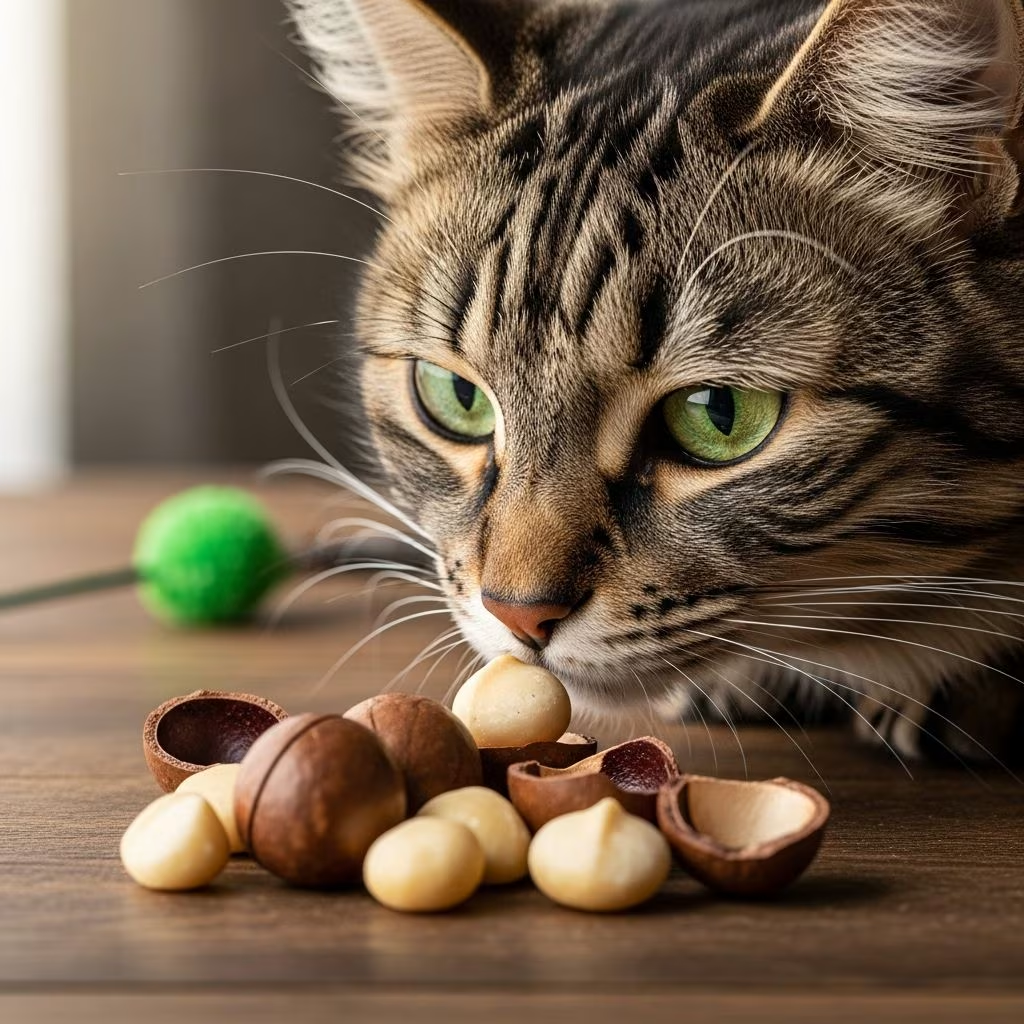
Macadamia nuts are a popular human snack but pose significant risks to cats, potentially causing lethargy, vomiting, ataxia, and more severe issues like hyperthermia or tremors. While toxicity is well-documented in dogs, evidence in cats suggests similar dangers, making them unsafe regardless.
The Appeal of Macadamia Nuts to Cats
Cats may show curiosity toward macadamia nuts due to their aroma and texture, but these high-fat treats are not suitable for feline digestion. As obligate carnivores, cats lack the enzymes to process nuts effectively, leading to potential health complications.
Are Macadamia Nuts Toxic to Cats?
Macadamia nuts should never be fed to cats. Though less studied in felines than dogs, they can trigger serious symptoms including lethargy, ataxia (loss of coordination), vomiting, tremors, hyperthermia, and in extreme cases, hypertension or seizures. High fat content also risks pancreatitis.
- High fat and oil levels: Overload the digestive system, causing pancreatitis with symptoms like abdominal pain, dehydration, and fever.
- Choking hazard: Whole nuts or pieces can obstruct airways.
- Unknown full mechanism: Exact toxin unclear, but effects mirror dog poisoning, advising complete avoidance.
Symptoms of Macadamia Nut Poisoning in Cats
If your cat ingests macadamia nuts, watch for early signs within 12 hours: vomiting (potentially expelling nuts), lethargy, and depression. Progression includes ataxia—drunken staggering, hindquarter weakness, tremors—and severe cases may involve hyperthermia, seizures, or coma.
| Symptom | Description | Severity |
|---|---|---|
| Vomiting | Early expulsion attempt | Mild-Moderate |
| Lethargy | Extreme tiredness, uncharacteristic behavior | Moderate |
| Ataxia | Stumbling, head bobbing, hind end droop | Moderate-Severe |
| Tremors/Hyperthermia | Shaking, elevated temperature | Severe |
| Seizures/Coma | Rare but life-threatening | Critical |
Ataxia is a hallmark, making cats appear disoriented or nauseated. Prompt veterinary intervention improves outcomes, as toxicity is rarely fatal with treatment.
What to Do If Your Cat Ate Macadamia Nuts
Act immediately: Remove access to nuts, monitor for symptoms, and contact a vet or pet poison hotline. Induce vomiting only under professional guidance. Provide supportive care like fluids for dehydration. Even small amounts warrant observation due to choking or fat-related issues.
- Call vet or ASPCA Poison Control.
- Track intake amount and timing.
- Watch 24-48 hours for delayed pancreatitis.
Your Cat’s Nutritional Needs
Cats are obligate carnivores requiring diets high in animal-based proteins and fats, with minimal carbohydrates. Nuts offer no nutritional value and excess carbs/fats risk diabetes, pancreatitis, or obesity. Stick to complete cat foods meeting AAFCO standards.
Key feline requirements:
- Protein: 26-30% minimum from meat sources for muscle health.
- Fat: 9% minimum, but balanced to avoid overload.
- Taurine: Essential amino acid absent in plants/nuts.
- Low carbs: Under 10% to prevent metabolic diseases.
Why Nuts Are Generally Unsafe for Cats
Beyond macadamias, most nuts pose risks:
| Nut Type | Risks for Cats |
|---|---|
| Macadamia | Toxicity, ataxia, vomiting |
| Almonds | GI upset, diarrhea, pancreatitis |
| Pistachios | Choking, blockages, high fat |
| Cashews | Pancreatitis, obesity, vomiting |
| Peanuts/Pine Nuts | Choking, digestion issues |
All nuts are choking hazards and fatty, unsuitable for carnivorous digestion.
Safe Alternatives to Macadamia Nuts for Cats
Skip nuts entirely. Opt for cat-specific treats:
- Freeze-dried meat treats: Chicken, fish—high protein, low calorie.
- Sunflower seeds (crushed): Rare fiber alternative if craving crunch, but sparingly.
- Commercial cat treats: Vet-recommended, low-fat options.
- Veggies: Small cooked carrot pieces for fiber (non-toxic).
Limit treats to 10% of diet. Consult vets for personalized advice.
Preventing Nut Access
Store nuts securely, educate household members, and supervise. Use puzzle feeders for safe stimulation matching natural hunting instincts.
Frequently Asked Questions
Q: Can cats eat macadamia nuts in small amounts?
A: No, even small amounts risk choking, GI upset, or toxicity symptoms like lethargy and ataxia.
Q: Are macadamia nuts more toxic to cats or dogs?
A: Well-documented in dogs; cats show similar symptoms, so equally avoided.
Q: What if my cat ate one macadamia nut?
A: Monitor closely for vomiting or weakness; contact vet if symptoms appear.
Q: Can cats eat other nuts like almonds or peanuts?
A: No, they cause digestive issues, pancreatitis, or choking.
Q: What are the best treats for cats?
A: Meat-based treats, freeze-dried options, or vet-approved kibble/wet food.
Final Thoughts
Macadamia nuts and other nuts have no place in a cat’s diet—risks far outweigh any appeal. Prioritize species-appropriate nutrition for a healthy, happy feline. Research and vigilance make you an exceptional cat parent.
References
- What Can’t Cats Eat? – Toxic Food to Cats — Bella+Duke. 2023. https://www.bellaandduke.com/cats/expert-advice/cat-nutrition/what-cant-cats-eat-toxic-and-poisonous-foods-to-cats/
- Can Cats Eat Macadamia Nuts? Vet-Approved Facts & FAQ — Catster. 2024. https://www.catster.com/nutrition/can-cats-eat-macadamia-nuts/
- Can Cats Eat Nuts? — BaxterBoo. 2023. https://images.baxterboo.com/blog/a.cfm/can-cats-eat-nuts/
- Macadamia Nut Poisoning — VCA Animal Hospitals. 2024-01-15. https://vcahospitals.com/know-your-pet/macadamia-nut-poisoning
- Dangerous Foods – Macadamia Nuts — Crookwell Vet. 2022. https://www.crookwellvet.com.au/Dangerousfoods-macadamianutsandartificialsweeteners.aspx
- Safe and Unsafe Nuts and Seeds For Pets — Preventive Vet. 2023. https://www.preventivevet.com/pets/safe-and-unsafe-nuts-and-seeds-for-pets
- People Foods to Avoid Feeding Your Pets — ASPCA. 2024. https://www.aspca.org/pet-care/aspca-poison-control/people-foods-avoid-feeding-your-pets



