

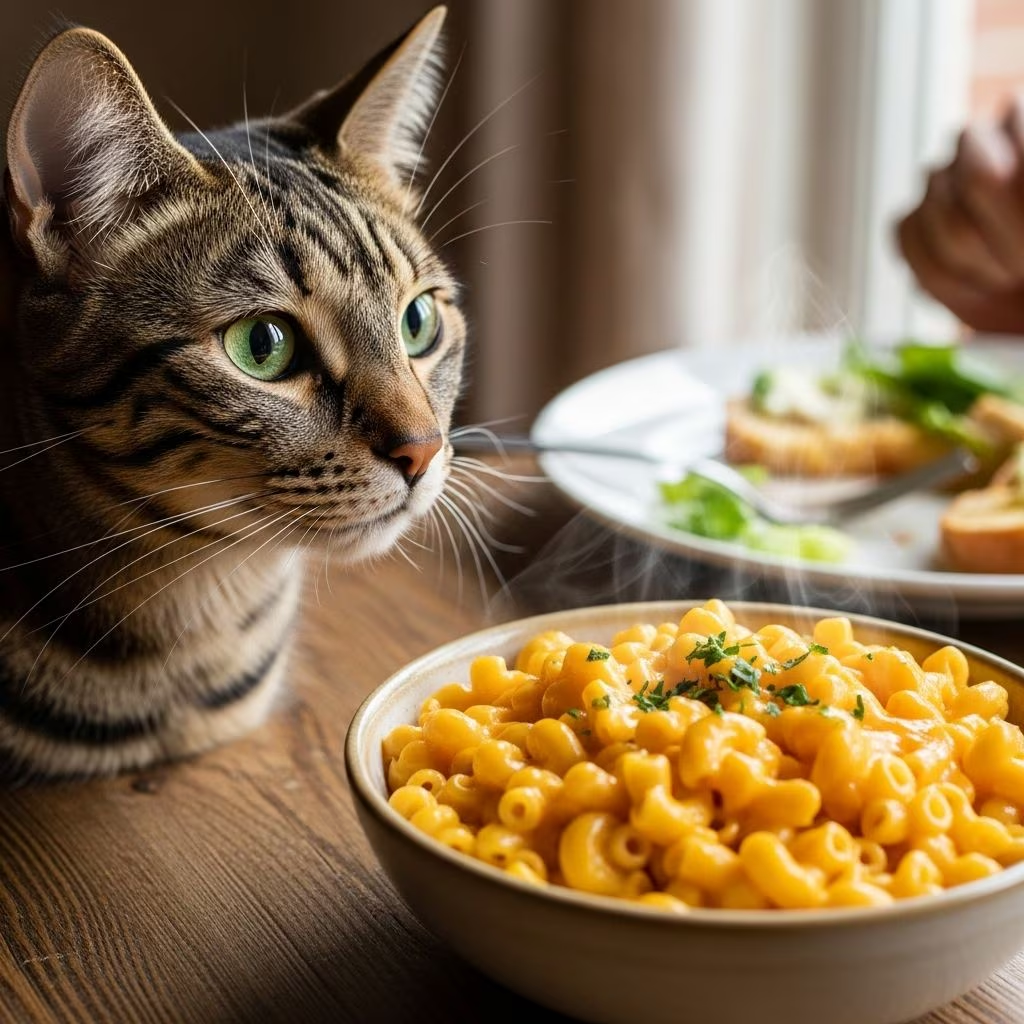
Macaroni and cheese, a beloved comfort food for humans, often tempts curious cats with its cheesy aroma. However, as obligate carnivores, cats have specific dietary needs that don’t align with this dairy-heavy dish. While plain mac and cheese lacks outright toxic ingredients like chocolate or grapes, its high fat, salt, carbohydrates, and lactose content pose significant health risks. Most adult cats are lactose intolerant, leading to digestive upset, and regular consumption can contribute to obesity and other issues. This comprehensive guide, informed by veterinary insights, breaks down the dangers, nutritional analysis, and safer alternatives.
Quick Answer: Can Cats Eat Mac and Cheese?
No, cats should not eat mac and cheese. An occasional tiny bite of plain, unseasoned mac and cheese might not cause immediate harm in most cases, but it offers zero nutritional benefits and can trigger vomiting, diarrhea, or long-term weight gain. Seasoned versions with garlic, onions, or excessive salt amplify the risks, potentially leading to toxicity or salt poisoning. Cats thrive on meat-based diets, and treats should comprise no more than 10% of their calories from vet-approved sources.
A Closer Look at the Ingredients in Mac and Cheese
Standard mac and cheese includes pasta, cheese, milk, butter, cream, and salt. Let’s dissect why these are problematic for cats:
- Pasta (Carbohydrates): Cats lack the enzymes to efficiently digest carbs, leading to unnecessary calorie intake without nutritional value. Excess carbs convert to fat, raising obesity risks.
- Cheese and Dairy: High in lactose, fat, and salt. Most cats lose lactase production after weaning, causing gastrointestinal distress.
- Butter and Cream: Extremely high in fats, which can lead to pancreatitis or upset stomachs even in small amounts.
- Salt: Excessive sodium strains kidneys and hearts, especially in cats with pre-existing conditions.
- Common Add-Ins (Garlic, Onions, Chives): Toxic alliums damage red blood cells, causing hemolytic anemia.
Boxed varieties often contain preservatives, artificial flavors, and powdered cheese mixes loaded with sodium—far worse for feline health.
Health Risks of Feeding Mac and Cheese to Cats
Beyond immediate digestive woes, mac and cheese poses several threats:
1. Lactose Intolerance and Digestive Issues
Over 70% of adult cats are lactose intolerant. Lactose ferments in the gut, producing gas, bloating, diarrhea, and vomiting within hours. Kittens tolerate dairy better during nursing but lose this ability by 8 weeks. Symptoms include loose stools, abdominal pain, and dehydration if severe.
2. Obesity and Weight Gain
One cup of mac and cheese packs 400-500 calories, mostly from fat and carbs—far exceeding a cat’s daily needs (200-300 calories for an average adult). Regular nibbles lead to overweight issues like diabetes, arthritis, and heart disease.
3. High Fat Content and Pancreatitis
Fats from cheese and butter overload the pancreas, risking acute pancreatitis: a painful inflammation with symptoms like lethargy, vomiting, and fever. Recovery requires hospitalization.
4. Salt Toxicity
Processed cheeses and sauces are sodium bombs. Excess salt causes thirst, tremors, seizures, or even death in severe cases, particularly in kittens or small cats.
5. Toxicity from Seasonings
Onion or garlic powder in sauces (even trace amounts) triggers oxidative damage to red blood cells. Symptoms: pale gums, weakness, rapid breathing.
| Ingredient | Amount per 100g (Approx.) | Risk to Cats |
|---|---|---|
| Calories | 300-400 | Obesity |
| Fat | 15-20g | Pancreatitis, GI upset |
| Sodium | 500-800mg | Salt poisoning |
| Carbs | 30-40g | Weight gain, poor digestion |
| Lactose (Cheese/Milk) | 1-5g | Diarrhea, vomiting |
Can Kittens Eat Mac and Cheese?
Absolutely not. Kittens are more vulnerable due to immature digestive systems. While they produce lactase initially, production drops post-weaning (around 4-8 weeks). High fat and salt exacerbate dehydration risks, and tiny bodies can’t handle the calorie load. Stick to kitten formula or mother’s milk.
What About Other Cheese Varieties or Cheese Dishes?
Cheese in any form is risky, but some are worse:
- Cheddar: Low lactose (0.1-0.5g/100g) but high fat/salt; small amounts might be tolerated occasionally, but avoid.
- Cottage Cheese: Higher lactose (3.3g/100g); causes diarrhea.
- Blue Cheese: Molds can be toxic; very salty.
- Feta: Extremely high salt; digestive and heart risks.
- Mozzarella/Cream Cheese: Lactose-heavy; gas and vomiting.
Cooked/melted cheese doesn’t reduce risks—fat content remains high. Avoid pizza (carbs + mozzarella + toxic toppings) and cheese crisps (salt + carbs).
Safe Alternatives: Healthy Treats for Cats
Opt for cat-specific options that mimic cheese appeal without dangers:
- Commercial cat treats: Freeze-dried meat bits (e.g., chicken, tuna).
- Fresh meats: Cooked plain chicken, turkey, or fish (no seasoning)—high protein, low carb.
- Catnip toys or lickable purees: Satisfy cravings safely.
- Vegetable nibbles: Tiny bits of cooked pumpkin or carrot for fiber (in moderation).
- Dairy-free cheese analogs: Vet-formulated cat treats flavored like cheese.
Limit treats to 10% of daily calories. Consult your vet for weight management.
What If Your Cat Eats Mac and Cheese? Symptoms and Next Steps
Monitor for 24-48 hours:
- Mild: Vomiting, diarrhea, gas—fast for 12 hours, offer water, bland diet (boiled chicken/rice).
- Severe: Lethargy, tremors, blood in stool, pale gums—rush to vet. They may induce vomiting, give fluids, or run bloodwork.
Prevention: Secure human food, use puzzle feeders for cat meals.
Conclusion
Mac and cheese tantalizes cats but delivers no health perks and ample hazards—from lactose woes to toxicity. Prioritize a balanced, meat-centric diet via quality cat food. An rare plain nibble won’t doom your pet, but habitual sharing risks obesity and illness. Love your cat by choosing species-appropriate nutrition—consult a vet for personalized advice. Healthier, happier felines await!
Frequently Asked Questions
Q: Is a small amount of plain mac and cheese okay for cats?
A: Rarely, a tiny bite might pass without issue, but it’s not recommended due to fat, salt, and lactose. Better safe than sorry.
Q: Why do cats love cheese if it’s bad for them?
A: Fat and umami flavors appeal to their carnivorous instincts, but love doesn’t equal safe.
Q: Can lactose-free cheese be given to cats?
A: Even lactose-free varieties are high in fat/salt; avoid as regular treats.
Q: What human foods are safe for cats?
A: Plain cooked meats, small fish portions; always unseasoned and occasional.
Q: How much cheese is too much for a cat?
A: None regularly; max a pea-sized amount as a rare treat, if tolerated.
References
- Can Cats Eat Cheese, Milk and Dairy Products? — Vets Now. 2023-05-15. https://www.vets-now.com/pet-care-advice/can-cats-eat-cheese/
- Can Cats Eat Mac & Cheese? Vet-Reviewed Info to Know! — Catster. 2024-08-20. https://www.catster.com/nutrition/can-cats-eat-mac-cheese/
- Can Cats Eat Mac And Cheese? Vet-Verified Facts — Huston Veterinary Clinic. 2024-03-10. https://hustonveterinary.com/can-cats-eat-mac-and-cheese/
- Can Cats Eat Cheese? Risks & Safe Feeding Tips — MichuPet. 2024-07-12. https://michupet.com/blogs/nutrition/can-cats-eat-cheese
- Can Cats Eat Cheese? Yes, But… — Pumpkin Pet Insurance. 2023-11-05. https://www.pumpkin.care/post/can-cats-eat-cheese



