

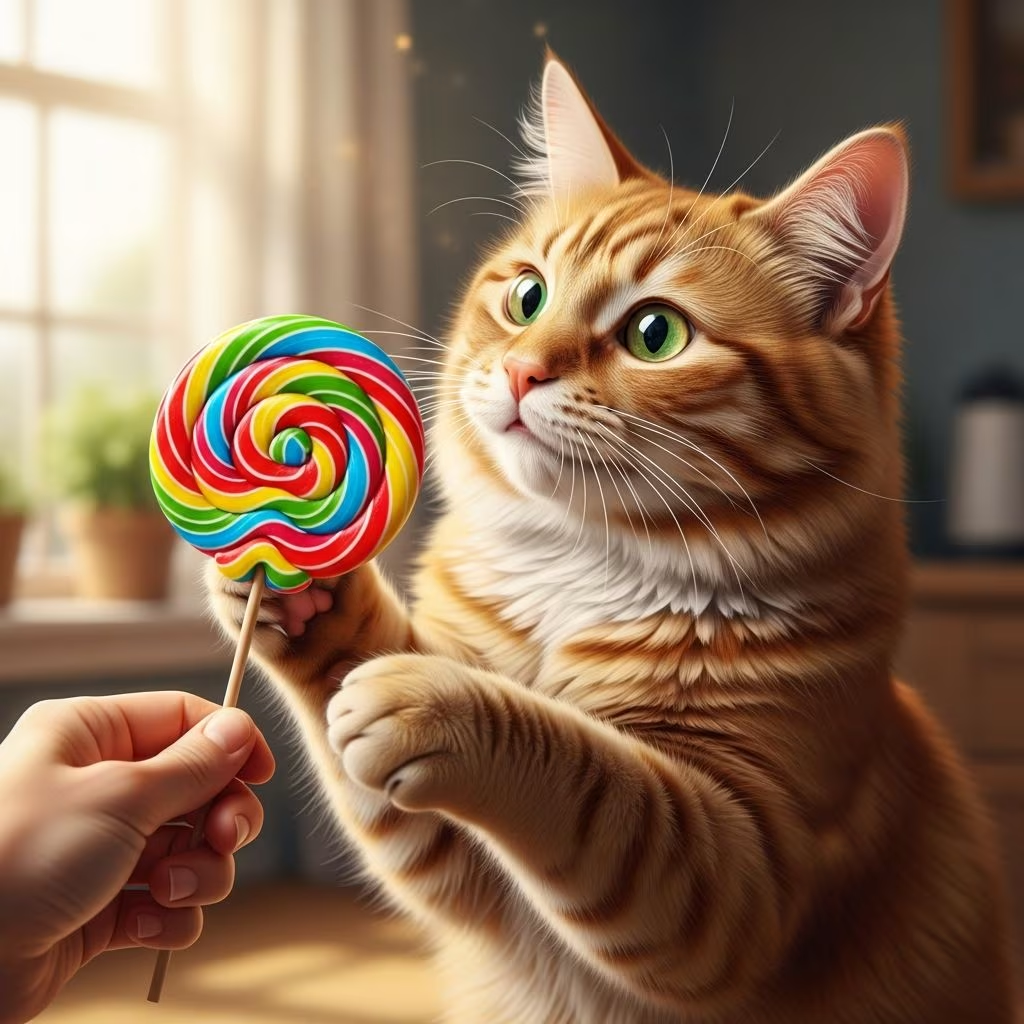
Cats should never eat lollipops due to their high sugar content, potential toxic artificial sweeteners like xylitol, choking hazards from hard candy and sticks, and harmful flavorings or dyes that can cause serious health issues in felines.
As obligate carnivores, cats lack sweet taste receptors and are not equipped to process sugars or carbohydrates efficiently, making even small amounts of candy problematic for digestion and long-term health. While a curious cat might eye your lollipop, sharing it can lead to immediate dangers like vomiting or hypoglycemia, or chronic problems such as obesity and diabetes.
Quick Answer: Can Cats Eat Lollipops?
**No, cats cannot safely eat lollipops.** These sugary treats contain ingredients toxic or indigestible to cats, including sugar that upsets the stomach, xylitol that triggers life-threatening drops in blood sugar and liver failure, and hard textures posing choking risks. Even a single lick warrants monitoring and veterinary consultation.
Lollipops seem innocent, but their composition—primarily sugar, corn syrup, artificial flavors, colors, and sometimes xylitol in sugar-free varieties—clashes with a cat’s meat-based dietary needs. Cats do not perceive sweetness due to missing Tas1r2 and Tas1r3 taste receptors, so any interest is likely curiosity driven by novelty or your attention rather than flavor appeal.
4 Main Risks of Lollipops for Cats
Lollipops present multiple hazards beyond just sugar. Here’s a breakdown of the primary dangers:
- Sugar Overload: Excessive sugar leads to gastrointestinal upset like vomiting, diarrhea, and lethargy. Long-term, it contributes to obesity, with overweight cats facing a 4.6 times higher diabetes risk. Unlike humans, cats rarely develop cavities from sugar but suffer metabolic strain from carb-heavy intake.
- Xylitol Toxicity: Common in sugar-free lollipops, xylitol causes rapid insulin release in cats, resulting in severe hypoglycemia (low blood sugar), seizures, liver damage, and potentially death—even from tiny amounts as small as 0.1g/kg body weight.
- Choking and Obstruction Hazards: The hard candy can break into sharp pieces causing choking, dental fractures, or intestinal blockages. Sticks and wrappers risk perforation, gastrointestinal irritation, or suffocation if ingested during play.
- Toxic Flavorings and Dyes: Artificial additives, chocolate, grape, or onion flavors, and untested colorings may provoke allergic reactions, stomach upset, or poisoning. Specific chemicals’ effects on cats remain under-researched, amplifying unpredictability.
| Risk Factor | Immediate Effects | Long-Term Effects |
|---|---|---|
| Sugar | Vomiting, diarrhea | Obesity, diabetes |
| Xylitol | Hypoglycemia, seizures | Liver failure |
| Choking Hazard | Choking, obstruction | Intestinal perforation |
| Flavorings/Dyes | Allergies, upset | Unknown chronic toxicity |
Symptoms to Watch If Your Cat Eats a Lollipop
If your cat sneaks a lollipop lick or bite, observe for these signs indicating distress:
- Vomiting or diarrhea
- Lethargy, weakness, or loss of appetite
- Excessive drooling or difficulty breathing
- Tremors, seizures, or collapse (xylitol-specific)
- Abdominal pain, hunching, or straining
Symptoms may appear within 30 minutes for xylitol or hours for digestive issues. Even mild cases merit vigilance, as obstructions can develop silently.
What to Do If Your Cat Eats a Lollipop
Act swiftly but calmly:
- Remove Access: Gently take away the lollipop, stick, or wrapper to halt further ingestion.
- Inspect Ingredients: Check the label for xylitol, chocolate, or grape—key red flags.
- Contact Vet Immediately: Call your veterinarian or an emergency pet poison hotline (e.g., ASPCA at 888-426-4435). Provide details on amount, ingredients, cat’s weight, and symptoms.
- Monitor Closely: Track behavior, appetite, and elimination for 24-72 hours. Do not induce vomiting without professional guidance.
- Seek Exam if Needed: Vets may recommend activated charcoal, IV fluids, dextrose for hypoglycemia, or diagnostics like X-rays for blockages.
For xylitol exposure, urgency is critical—blood sugar can plummet fatally within hours. Minor sugar incidents might resolve with observation, but err on caution.
How to Prevent Cats from Eating Lollipops
Proactive steps safeguard your home:
- Secure Storage: Keep candies in cat-proof cabinets or sealed containers.
- Trash Management: Use lidded bins for wrappers and sticks to deter sniffing or fishing.
- Household Education: Inform family and guests: no sharing sweets with cats.
- Distract and Train: Offer cat-safe toys or treats during snacking times to redirect curiosity.
- Label Awareness: Teach kids to recognize pet-toxic items like xylitol products.
Creating a “no candy zone” reduces accidents, especially during holidays like Halloween when temptations abound.
Are All Lollipops Equally Dangerous for Cats?
No variety is safe, but risks vary:
- Regular Sugary Lollipops: Primarily sugar-related GI upset and choking.
- Sugar-Free: Highest danger from xylitol.
- Organic/Natural: Still risky due to concentrated sugars, potential herbal extracts, or dyes.
- Choco-Flavored or Dark: Add theobromine toxicity atop sugar issues.
Even “pet-friendly” human candies often fail feline safety standards—stick to vet-approved options.
Why Are Cats Attracted to Lollipops Anyway?
Curiosity, not taste, drives interest. The crinkling wrapper mimics prey sounds, sticks resemble toys, and your enjoyment signals social bonding. Fat content in some flavors might appeal to their carnivorous instincts, but sweetness does not.
Safe Alternatives: Healthy Treats for Cats
Opt for these vet-recommended, low-calorie options comprising no more than 10% of daily intake:
- Commercial cat treats (freeze-dried meat, dental chews)
- Plain cooked chicken, turkey, or fish (boneless, unseasoned)
- Small bits of hard-boiled egg
- Catnip toys or infused treats for play
- Commercial wet food toppers
Avoid human foods with additives. Consult your vet for breed-specific or health-condition-tailored suggestions to maintain ideal weight and nutrition.
Frequently Asked Questions (FAQs)
Q: Can a small lick of a lollipop harm my cat?
A: A single lick rarely causes severe harm from sugar alone but risks xylitol exposure or upset. Monitor and consult your vet.
Q: What if my cat eats a xylitol lollipop?
A: Xylitol is deadly toxic—rush to the vet immediately for blood sugar stabilization and liver support.
Q: Are sugar-free lollipops safer for cats?
A: No, they often contain xylitol, far more dangerous than sugar.
Q: Can kittens eat lollipops?
A: Absolutely not—kittens’ developing systems amplify all risks.
Q: What human foods are safe to share with cats?
A: Plain cooked meats like chicken or fish in tiny portions; avoid all sweets and seasoned items.
Q: How much sugar is too much for a cat?
A: Any amount disrupts balance; prioritize protein-rich diets.
References
- Xylitol Toxicity in Cats and Dogs — Pet Poison Helpline (ASPCA-affiliated). 2024-10-15. https://www.petpoisonhelpline.com/poison/xylitol/
- Feline Diabetes and Obesity Risk Factors — Journal of Feline Medicine and Surgery (peer-reviewed). 2023-05-01. https://doi.org/10.1177/1098612X231166682
- Taste Perception in Cats: Lack of Sweet Receptors — National Institutes of Health (NIH), PubMed. 2022-03-12. https://pubmed.ncbi.nlm.nih.gov/22419610/
- Choking Hazards from Candy in Pets — American Veterinary Medical Association (AVMA). 2024-09-20. https://www.avma.org/resources-tools/pet-owners/petcare/halloween-pet-safety
- Guidelines for Feline Nutrition — Association of American Feed Control Officials (AAFCO). 2025-01-10. https://www.aafco.org/Cat-Food-Maturity/



