

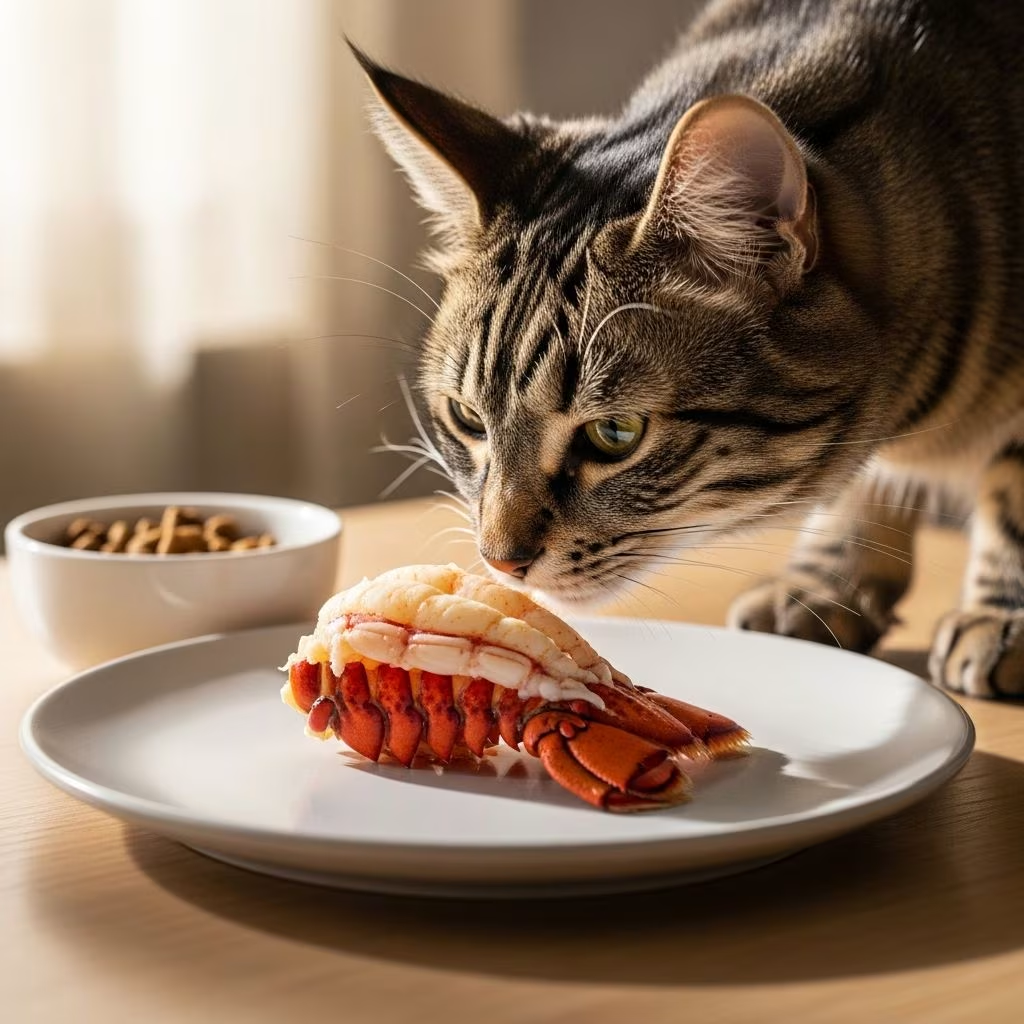
Can Cats Eat Lobster? The Short Answer
The short answer is yes, cats can eat lobster as long as they do not have a seafood allergy. But that doesn’t mean they should go hog wild every night with a pair of lobster tails. Lobster can be a nutritious occasional treat for your feline companion when prepared correctly and served in appropriate portions. Understanding the proper preparation methods, potential risks, and feeding guidelines is essential to ensure your cat’s safety and health.
Is Lobster Safe for Cats?
Lobster is a type of shellfish that is rich in protein and nutrients, making it potentially beneficial for cats that require high-protein diets. However, the safety of lobster for cats depends largely on how it is prepared and served. When offered correctly, lobster can be a safe and healthy treat, but improper preparation can pose serious health risks to your feline friend.
The key to safely feeding lobster to cats lies in understanding what makes it safe versus dangerous. Cats have sensitive digestive systems, and while they are obligate carnivores that thrive on protein, not all preparations of protein sources are appropriate for them. Cooked lobster meat is generally safe in small amounts because cooking kills harmful bacteria and parasites that raw lobster may contain.
Cooked vs. Raw Lobster: What Your Cat Needs
One of the most critical distinctions when considering lobster for your cat is the difference between cooked and raw preparations. Cats should only be offered lobster that is cooked properly and should never be offered any raw meat. Raw meat can contain bacteria and lead to food poisoning and severe digestive upset.
Raw lobster can carry parasites such as Paragonimus Westermani, commonly known as lung fluke, as well as bacteria that can be harmful to your cat. These pathogens can cause serious gastrointestinal issues and other health complications. It’s not just raw lobster that should be avoided, but any raw meat, as domestic cats lack the specialized stomach acid and digestive capabilities that wild felines possess to safely process raw protein.
When cooking lobster for your cat, you need to ditch the butter, oils, spices, and other seasonings that are typically included when preparing it for human consumption. All these additional ingredients can wreak havoc on your cat’s digestive system and potentially cause gas, diarrhea, stomach upset, and vomiting. Plain, boiled, or steamed lobster meat is the safest option for your feline friend.
Health Benefits of Feeding Lobster to Cats
When prepared correctly and offered occasionally, lobster offers several nutritional benefits for cats:
- Complete Protein Source: Lobster meat is a complete protein source with all the essential amino acids that your cat needs for optimal health and muscle development.
- Muscle Support: High-quality protein in lobster supports muscle growth and repair, which is essential for active cats and maintaining lean body mass.
- Omega-3 Fatty Acids: Omega-3 fatty acids found in lobster help reduce inflammation and improve skin and coat health, contributing to a shiny, healthy-looking fur.
- Vitamins and Minerals: Lobster contains minerals like zinc and selenium that aid immune function and antioxidant protection, helping your cat’s immune system function optimally.
- Nervous System Support: Vitamins such as B12 in lobster support nervous system health and energy metabolism in cats.
Despite these benefits, lobster should only be an occasional supplement to a balanced cat diet, not a staple food. Your cat’s primary nutrition should come from a complete and balanced commercial cat food formulated to meet all their dietary requirements.
Risks and Potential Dangers of Feeding Lobster to Cats
While lobster can be nutritious, there are significant risks involved if it’s not prepared or given properly. Understanding these dangers is crucial for responsible pet ownership.
- Overfeeding Complications: Overfeeding lobster can lead to nutritional imbalances and digestive upset, including vomiting or diarrhea. Your cat’s digestive system may not be accustomed to large amounts of rich seafood.
- Shell Hazards: Shell fragments can cause choking or damage to your cat’s mouth, throat, or digestive tract. Even though a cat’s teeth appear sharp, they cannot properly chew lobster shells before swallowing, and these fragments can pierce the gums, mouth, and esophagus.
- Allergic Reactions: Some cats may have allergies or sensitivities to shellfish. Allergic reactions to shellfish may cause itching, swelling, or gastrointestinal distress in sensitive cats.
- Toxic Seasonings: Seasonings and additives commonly used in lobster dishes can be toxic and cause serious health issues. Garlic, onions, butter, and salt are particularly dangerous for cats.
- Bacterial Contamination: Improperly cooked lobster may still harbor harmful bacteria or parasites despite cooking attempts.
Toxic Seasonings and Ingredients to Avoid
When preparing lobster for your cat, it is absolutely essential to avoid all seasonings and additives. The following ingredients are toxic to cats and must never be included:
- Garlic and onions (toxic to feline red blood cells)
- Butter and oils (can cause digestive upset)
- Salt (can lead to electrolyte imbalances)
- Pepper and spices (irritate the digestive system)
- Garlic powder and onion powder (concentrated toxins)
- Any human food seasonings or flavor enhancers
Always offer plain, cooked lobster meat without any additives to keep your cat safe. If you’re unsure whether a preparation is safe, err on the side of caution and consult your veterinarian.
Canned Lobster: A Convenient Alternative?
While you typically get fresh, frozen, or pre-cooked lobster, there are canned varieties available. It’s important to note that canned foods geared toward humans tend to be high in sodium, which can lead to severe health complications for your cat if sodium levels in the blood become abnormally elevated. Canned lobster meat for human consumption would need to be sodium-free to be safe for your cat.
Some commercial cat foods on the market contain seafood ingredients, including some that have lobster. This would be the safest way to offer any form of canned lobster to your cat, as these products are specifically formulated to meet feline nutritional requirements and avoid harmful additives. If you choose to use canned lobster meant for humans, rinse it thoroughly and check the sodium content before offering it to your pet.
How Much Lobster Can My Cat Eat?
Understanding proper portion sizes is critical when offering lobster to your cat. Following these guidelines will help prevent health issues:
- Limit lobster treats to no more than 5% of your cat’s daily caloric intake to avoid overfeeding
- Offer just a few small pieces once in a while, such as once a week or less frequently
- Start with tiny amounts when first introducing lobster to your cat
- Adjust portions based on your cat’s size and overall diet
- Never let lobster become a significant part of your cat’s regular diet
Most cats only need a few small pieces of plain lobster meat as an occasional treat. Portion control is essential because excessive amounts can contribute to nutritional imbalances and digestive issues. Remember that treats should never comprise more than 10% of your cat’s total daily caloric intake.
Safely Preparing Lobster for Your Cat
If you decide to offer lobster to your cat, follow these preparation steps to ensure maximum safety:
- Cook the lobster thoroughly by boiling or steaming until completely cooked through
- Allow the lobster to cool completely before serving
- Remove all shells, including small fragments that may be difficult to see
- Cut the meat into small, manageable pieces appropriate for your cat’s size
- Serve plain lobster meat without any seasonings, butter, or oils
- Check the texture to ensure there are no sharp edges or hard pieces
- Observe your cat after feeding and monitor for any adverse reactions
Preparation is perhaps the most important step in safely offering lobster to your cat. Taking time to properly prepare the treat ensures your feline companion can enjoy it without risk of injury or illness.
Monitoring Your Cat After Feeding Lobster
Observe your cat’s reaction after feeding lobster and adjust portions accordingly if any digestive issues occur. Watch for the following signs that your cat may not tolerate lobster well:
- Vomiting or dry heaving
- Diarrhea or loose stools
- Decreased appetite or refusal to eat regular food
- Excessive drooling
- Lethargy or unusual behavior
- Itching or signs of allergic reaction
- Difficulty swallowing or choking
If you notice any of these symptoms, discontinue lobster immediately and contact your veterinarian. Some cats may have individual sensitivities that make them unsuitable candidates for seafood treats.
When to Consult Your Veterinarian
Consult your veterinarian before introducing lobster to your cat’s diet, especially if your cat has health conditions. This is particularly important if your cat has:
- A history of food allergies or sensitivities
- Digestive system disorders or inflammatory bowel disease
- Kidney disease or urinary tract problems
- Heart disease or conditions requiring sodium restriction
- Any existing health conditions that require dietary management
Your veterinarian can provide personalized recommendations based on your cat’s specific health status and dietary needs. They can also advise whether lobster is appropriate for your individual pet.
Safer Seafood Alternatives for Your Cat
If you’re looking to offer your cat seafood treats, there are several safer alternatives to consider:
- Cooked Shrimp: Plain, cooked shrimp without shells is easier to prepare and safer than lobster
- Canned Tuna in Water: Choose low-sodium varieties and offer sparingly
- Canned Salmon in Water: Provides omega-3 fatty acids with easier preparation
- Commercial Seafood-Flavored Cat Treats: Specifically formulated for feline nutritional requirements
- Freeze-Dried Fish Treats: Made exclusively for cats with no additives
These alternatives may be more convenient and equally nutritious while presenting fewer preparation challenges than lobster.
Key Takeaways: Lobster Safety Summary
Cats can eat lobster provided they are not allergic to seafood, are kept away from the shells, and the lobster is cooked thoroughly and properly with no butter, salt, or seasonings. Lobster meat should not make up a large percentage of your cat’s diet and should only be offered as an occasional treat. Moderation and careful monitoring are essential to safely include lobster in your cat’s diet.
Frequently Asked Questions About Cats and Lobster
Q: Can cats eat cooked lobster meat?
A: Yes, cooked lobster meat without seasoning or shells is generally safe for cats in small amounts as an occasional treat. The key is ensuring it’s plain and free from any additives.
Q: Is raw lobster dangerous for cats?
A: Raw lobster can carry harmful bacteria and parasites, including lung fluke parasites, so it should never be fed to cats. Always cook lobster thoroughly before offering any to your feline companion.
Q: What seasonings in lobster are toxic to cats?
A: Garlic, onions, butter, salt, and other common seasonings used in lobster dishes are toxic and must be avoided. Always serve plain lobster meat to your cat.
Q: How often can I feed my cat lobster?
A: Feed lobster only occasionally, such as once a week or less, and keep portions small to avoid health issues. Lobster should never become a regular part of your cat’s diet.
Q: Are there safer seafood treats than lobster for cats?
A: Yes, cooked shrimp, canned tuna or salmon in water, and commercial seafood-flavored cat treats are safer alternatives that require less preparation and present fewer risks.
Q: What should I do if my cat shows allergic reactions to lobster?
A: Discontinue lobster immediately and contact your veterinarian. Some cats may have sensitivities to shellfish that cause itching, swelling, or gastrointestinal distress.
Q: Can lobster shells hurt my cat?
A: Yes, lobster shells are very sharp and can pierce your cat’s gums, mouth, throat, or esophagus. Always remove all shells and shell fragments before offering lobster to your cat.
Q: Is canned lobster safe for cats?
A: Canned lobster meant for humans is typically high in sodium and unsafe for cats. Only use cat food products that contain lobster, as these are formulated for feline nutritional needs.
References
- Can Cats Eat Lobster? Vet-Approved Diet Facts & FAQ — Catster. Accessed January 14, 2026. https://www.catster.com/nutrition/can-cats-eat-lobster/
- Can Cats Eat Lobster? Safety & Feeding Guide — Zoorithm. Accessed January 14, 2026. https://www.zoorithm.com/cats/can-cat-eat-lobster
- Can cats eat fish, seafood and shellfish? — Bella+Duke. Accessed January 14, 2026. https://www.bellaandduke.com/cats/expert-advice/cat-nutrition/can-cats-eat-raw-fish/
- Can Cats Eat Lobster? Nutrition Facts & FAQ — Hepper Pet Resources. Accessed January 14, 2026. https://articles.hepper.com/can-cats-eat-lobster/



