

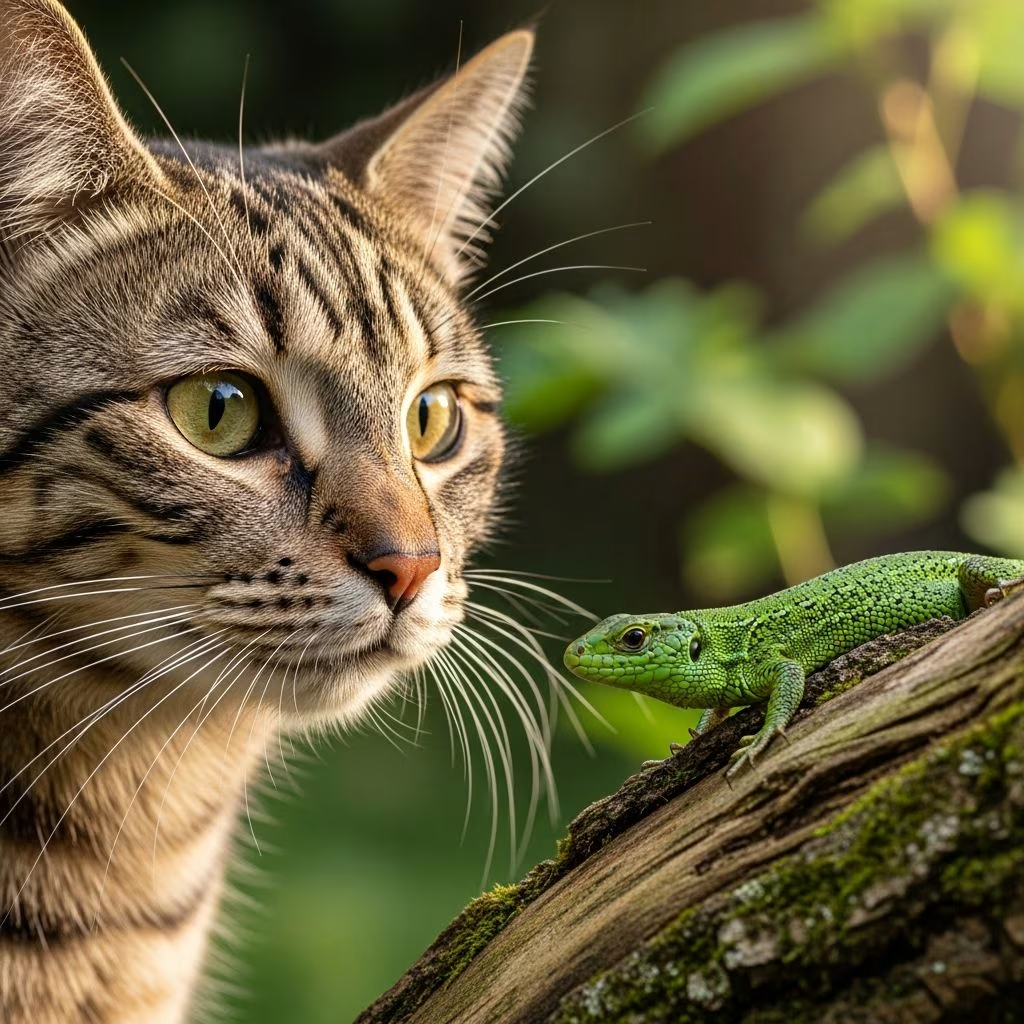
Can Cats Eat Lizards?
Cats are known to catch and eat lizards, but the question of whether they should remains important for pet owners to understand. While cats can technically eat lizards, and most lizards are harmless, there are several considerations to keep in mind. Luckily, most lizards will not cause significant problems for your cat, though some may cause an upset stomach simply because your cat isn’t used to eating them. It isn’t unusual for cats to experience minor digestive issues when eating a whole animal for the first time.
Cats are natural hunters and obligate carnivores, meaning they thrive on a meat-based diet. In the wild, felines depend on a variety of small creatures for nutrition, including birds, lizards, and small mammals. However, this doesn’t mean that allowing your indoor or outdoor cat unrestricted access to lizards is advisable. Understanding the nuances between what cats can eat and what they should eat is crucial for responsible pet ownership.
Understanding Your Cat’s Diet and Lizards
When considering whether cats should consume lizards, it’s essential to recognize that a cat’s primary diet should consist of specially formulated cat food that provides all necessary nutrients. Treats, including the occasional captured lizard, should only represent a small part of their overall dietary intake. Experts suggest that allowing your cat to consume a small amount of lizard meat occasionally is acceptable, but it should not constitute a substantial portion of their meals.
Too much lizard consumption may lead to digestive upset, as the delicate stomachs of cats aren’t accustomed to handling abundant quantities of new proteins. If a cat were to catch a lizard, moderation is key. We wouldn’t want our pets engaging in an all-you-can-eat buffet of lizards. Like everything else in nutrition, balance is essential for maintaining your cat’s health and well-being.
Nutritional Benefits of Lizards for Cats
Despite the risks associated with cats eating lizards, there are some potential nutritional benefits to consider. Depending on the lizard species, some may offer additional nutrients, including vitamins and minerals that could benefit your cat’s overall health. These may include essential fatty acids and vitamins that support feline wellness. As with any whole prey consumption, this could contribute positively to their diet, but always in moderation.
However, these nutritional benefits should not be viewed as a reason to encourage your cat to hunt and consume lizards regularly. The risks often outweigh the potential advantages, particularly when you consider the availability of nutritionally balanced commercial cat foods designed to meet all of your feline friend’s dietary needs.
Dangers of Feeding Lizards to Cats
While there are some nutritional benefits to cats consuming lizards, there are also significant risks that pet owners must carefully examine. Understanding these potential dangers can help you make informed decisions about your cat’s safety and health.
Toxicity Concerns
One of the primary concerns regarding cats eating lizards involves toxicity. Some species of lizards are known to carry toxins that can be harmful to cats. For example, the Gila monster and the beaded lizard secrete poisonous saliva that could lead to severe health issues. If your cat happens to catch one of these toxic lizards, it could face life-threatening situations. Additionally, some lizards may be toxic even when simply licked, potentially causing a cat to ingest poison without fully consuming the animal.
Fortunately, in the United States, most commonly encountered lizards such as anoles and geckos are nontoxic to cats. This decreases some risks associated with eating lizards, though other dangers still exist that pet owners should be aware of and take seriously.
Parasitic Infections: Liver Flukes
Perhaps the most significant threat posed by lizards to cats is parasitic infection, specifically liver flukes. Lizards are well-known for containing this type of parasite, and when your cat eats an infected lizard, the parasites are transferred to them, which can cause severe damage. While these liver flukes are entirely harmless to lizards, they can cause serious problems for cats and other mammals.
Liver flukes are specifically evolved to be ingested by cats as part of their lifecycle, meaning a cat’s risk of infection when eating lizards is relatively high. These parasites can infest the liver, bile ducts, and gallbladder. Over time, liver flukes can lead to bile duct blockages and liver failure. In the early stages of infection, they can cause vomiting, diarrhea, weight loss, poor appetite, and lethargy.
Liver flukes are most common in the southern United States and Hawaii, though they can occur anywhere. If your cat regularly eats lizards, you should call a veterinarian to ask about any preventative medication they can take. Often, cats will need to be hospitalized to be medicated and stabilized. Usually, antibiotics prevent opportunistic infections, which can cause further damage. Even after your cat has recovered, the vet will likely want to check their liver enzymes occasionally to ensure it remains healthy.
Bacterial Infections
Another significant risk involves consuming raw meat, which runs the risk of dangerous bacterial infections, such as Salmonella. Infection with this type of bacteria can lead to vomiting, bloody diarrhea, and lethargy. These symptoms should be taken seriously, and veterinary attention should be sought immediately if they appear after your cat has eaten a lizard.
Gastrointestinal Upset
In addition to potential parasites and toxins, letting your cat eat lizards can cause gastrointestinal upsets. Cats aren’t as accustomed to hunting large creatures or a varied diet in domestic settings. If they consume too much at once, it may lead to an upset stomach, vomiting, or diarrhea. This is where moderation comes back into play again. Even if your cat seems healthy after eating a lizard, monitor them carefully for any signs of illness.
Physical Injury
Another risk to consider is the possibility of physical injury. Cats are expert hunters, but sometimes lunging at their prey could lead to accidents or scratches. In addition, lizards can bite back. A feisty little critter may give your cat a nasty nip, leading to further injury, which can become infected if not adequately addressed. These wounds may require veterinary care to prevent serious complications.
Symptoms to Watch For
If your cat eats a lizard, watch carefully for symptoms of illness. Potential warning signs include weight loss, abdominal distention, fever, lethargy, hiding, vomiting, diarrhea, and jaundice. If your cat seems fine immediately after eating a lizard, it might just have enjoyed a sneaky snack. However, remember that liver flukes take a very long time to produce signs in your cat, so continued monitoring is important.
In some cases, a vet may be able to provide medication to clear out the flukes before they cause problems. If you notice any of these concerning symptoms after your cat ingests a lizard, contact your veterinarian promptly for evaluation and treatment.
Should I Let My Cat Eat Lizards?
Cats are hunters by nature, so it isn’t unusual for owners to wonder if they should even care about their cats eating lizards. However, because lizards can cause significant problems, you should prevent your cat from eating lizards when possible. Preferably, your cat should not have access to lizards at all, but if you see your cat eating one, you should intervene.
Beyond health concerns, there’s another important reason to discourage your cat from eating lizards: conservation. Many species of lizards face threats to their population, and since cats are such effective hunters, it can be damaging to the ecosystem for your cat to eat them, as well as other animals from the natural environment.
Most lizards are harmless, and your cat should be just fine after eating one in most cases. You typically only have to worry if you’re in an area where liver flukes are endemic or your cat begins to show worrisome signs. However, this doesn’t mean you should encourage the behavior.
How Can I Keep My Cat from Eating Lizards?
The best way to keep your cat from eating lizards is to keep your cat indoors. Outdoor cats are at a much higher risk of injury and preventable illness than indoor cats. However, it isn’t always possible to keep cats indoors.
If your feline friend must spend time outdoors, you’ll need to look for ways to keep them from eating wildlife like lizards:
- Ensure adequate nutrition: Often, cats will hunt and kill for sport, but they are not likely to eat a lizard unless they are hungry. Making sure your cat is getting enough food may reduce their hunting instinct.
- Supervise outdoor time: Keep a close eye on your cat when they’re outside to intervene if they catch a lizard.
- Create a contained outdoor space: Consider building a catio or enclosed outdoor area where your cat can enjoy fresh air without access to wildlife.
- Regular veterinary checkups: If your cat has regular outdoor access, schedule more frequent vet visits to monitor for signs of parasites or infections.
What To Do If Your Cat Eats A Lizard
If you discover that your cat has eaten a lizard, don’t panic. Here’s what you should do:
- Observe closely: Monitor your cat for the next few days for any signs of illness, including vomiting, diarrhea, lethargy, or changes in appetite.
- Document the event: If possible, try to identify what type of lizard your cat ate, as this information can be helpful for your veterinarian.
- Contact your vet if concerned: If your cat shows any symptoms or if you’re in an area where liver flukes are common, contact your veterinarian for guidance.
- Consider preventative treatment: If your cat regularly has access to lizards, discuss preventative medication options with your vet.
Frequently Asked Questions
Q: What happens if my cat eats a lizard?
A: If your cat eats a lizard, watch carefully for symptoms of illness like vomiting or diarrhea. If your cat seems fine, it might just have enjoyed a sneaky snack. However, monitor them for several days and contact your vet if any concerning symptoms develop.
Q: Are all lizards safe for my cat to eat?
A: No, not all lizards are safe for cats. Some lizards are toxic to cats and can cause serious harm. While most common lizards like anoles and geckos are nontoxic, toxic species like Gila monsters and beaded lizards can pose life-threatening risks. Always research which lizards might be safe, or best limit access to them altogether.
Q: What are liver flukes and how serious are they?
A: Liver flukes are parasites that cats can contract by eating infected lizards. These parasites can infest the liver, bile ducts, and gallbladder, potentially leading to bile duct blockages and liver failure if left untreated. They’re particularly common in southern U.S. states and Hawaii.
Q: How can I tell if my cat has liver flukes?
A: Early signs of liver fluke infection include vomiting, diarrhea, weight loss, poor appetite, and lethargy. More advanced symptoms may include abdominal distention, fever, hiding, and jaundice. However, liver flukes can take a long time to produce visible signs, so regular veterinary checkups are important for cats with outdoor access.
Q: Should I be concerned if my cat eats a lizard occasionally?
A: Most lizards are harmless, and your cat should be fine after eating one occasionally. You typically only need to worry if you’re in an area where liver flukes are endemic, if your cat eats lizards regularly, or if your cat begins to show worrisome signs of illness.
Q: Is it normal for cats to eat lizards?
A: Yes, it’s completely normal for cats to hunt and eat lizards, especially outdoor cats. Cats are natural hunters, and lizards are among their natural prey. However, normal behavior doesn’t necessarily mean it’s safe or desirable, which is why prevention and monitoring are important.
Conclusion
If your cat is allowed access outside, it’s not unusual for them to hunt lizards and occasionally catch one. Lizards are entirely harmless in most cases and don’t give cats any problems in the majority of situations. However, some can cause severe problems for cats, particularly through parasitic infections like liver flukes or toxins in certain species.
While eating lizards is usually safe, that isn’t always the case. You should be cautious regarding your cat eating lizards and contact a veterinarian if your cat is experiencing troubling signs after they ingest one. The best approach is to prevent access to lizards when possible by keeping your cat indoors, supervising outdoor time, and maintaining regular veterinary checkups if your cat has outdoor access.
References
- Can Cats Eat Lizards? Vet-Verified Facts — Hustonveterinary.com. Accessed 2026. https://hustonveterinary.com/can-cats-eat-lizards/
- Can Cats Eat Lizards? Safety Facts & FAQ — Hepper Pet Resources. Accessed 2026. https://articles.hepper.com/can-cats-eat-lizards/
- Can Cats Eat Lizards? Vet-Verified Facts & FAQ — Catster. Accessed 2026. https://www.catster.com/nutrition/can-cats-eat-lizards/
- What to Do If Your Cat Eats a Lizard or Frog — PetMD. Accessed 2026. https://www.petmd.com/cat/emergency/poisoning-toxicity/what-do-if-your-cat-eats-lizard-or-frog
- My Pet Ate a Lizard — What Should I Do? — Hills Pet. Accessed 2026. https://www.hillspet.com/pet-care/healthcare/are-lizards-poisonous-to-dogs-and-cats



