

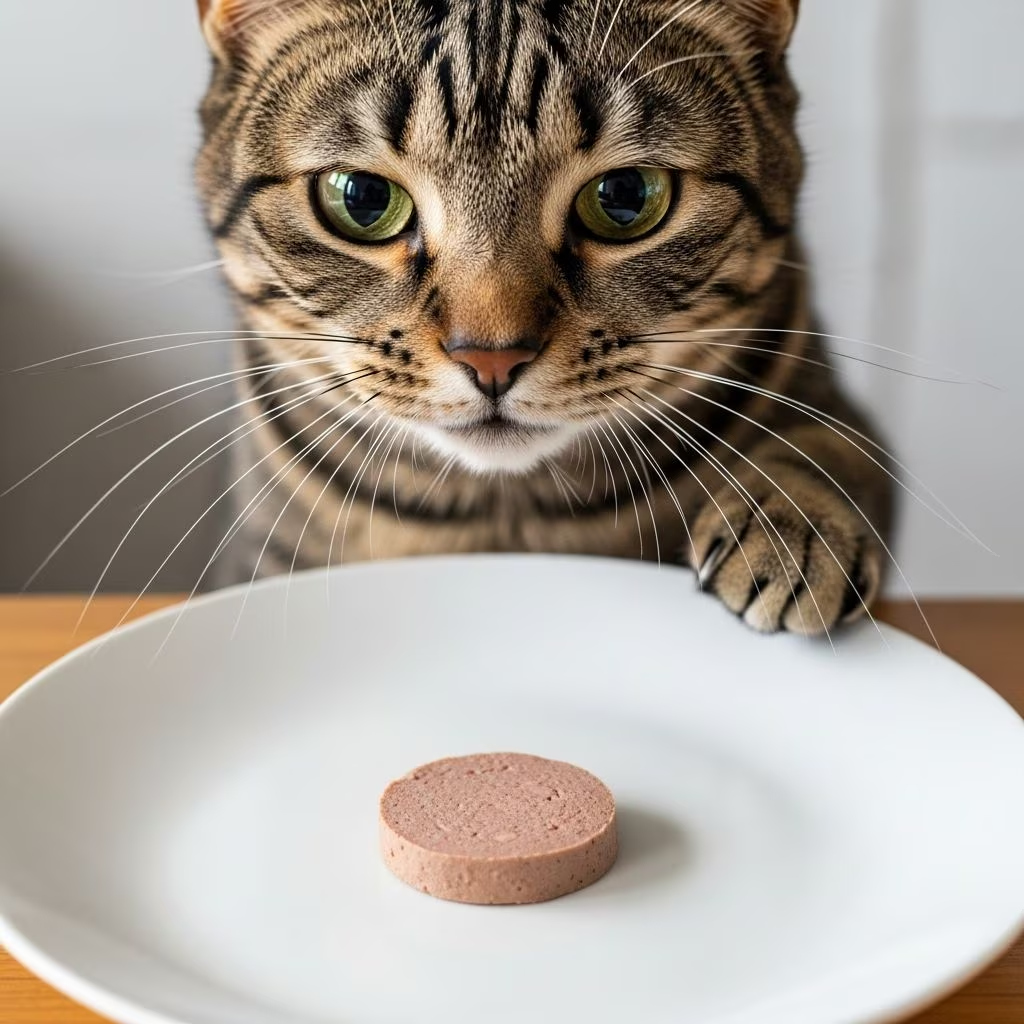
Liverwurst, a popular liver sausage enjoyed in sandwiches or as a spread, tempts many cat owners when their pets beg for a taste. But is this human food safe for felines? While plain liver from pigs or calves can be okay in tiny amounts, commercial liverwurst often contains seasonings, additives, and imbalanced nutrients that pose serious risks to cats. This comprehensive guide, informed by veterinary expertise, breaks down the ingredients, potential dangers, and why it’s generally best to skip liverwurst altogether in favor of cat-appropriate treats.
Cats are obligate carnivores, meaning their diet must prioritize high-quality animal proteins with precise nutrient balances. Human processed meats like liverwurst rarely align with these needs, often leading to digestive upset, weight gain, or worse. We’ll explore what liverwurst is made of, its nutritional pitfalls, associated health risks, foods to avoid, and safe alternatives to keep your cat healthy and happy.
Can Cats Eat Liverwurst?
Liverwurst, also called liver sausage or leberwurst, originated in Europe and gained popularity in the U.S., South America, and beyond. It’s crafted primarily from pig or calf livers ground into either a firm, sliceable sausage or a smooth, spreadable pâté. The production process mirrors other sausages: livers are blended with fats, meats, and seasonings, then encased or molded.
Core ingredients typically include:
- Liver (pig or calf): The star component, providing rich flavor and nutrients but risky in excess.
- Fat: Often pork fatback, added for texture and mouthfeel.
- Meat fillers: Veal, pork, or bacon for bulk.
- Seasonings: Black pepper, allspice, thyme, mustard seeds, nutmeg, and marjoram.
While plain liver is digestible for cats in moderation, the additives change everything. Nutmeg, for instance, contains myristicin, a compound toxic to cats that can cause hallucinations, elevated heart rate, and seizures even in small doses. Black pepper may irritate the gastrointestinal tract, leading to vomiting or diarrhea. Mustard seeds and other spices offer no nutritional value and can upset sensitive feline stomachs.
To determine safety, scrutinize the label. Opt for versions without onions, garlic, preservatives like sodium nitrite (in high amounts), or artificial flavors. Even ‘natural’ brands often pack hidden perils. Veterinary consensus: if unsure, don’t feed it. A quick vet consult ensures your cat avoids harm.
Beyond ingredients, liverwurst’s processed nature means high sodium levels, which strain kidneys—especially concerning for senior cats or those with hypertension. Fresh, unseasoned liver pâté made at home might be safer occasionally, but commercial products prioritize taste over pet health.
Health Risks Associated with Liverwurst
Even additive-free liverwurst carries nutritional red flags that make it unsuitable as a regular treat. Cats thrive on diets with 30-40% protein, moderate fats (around 20%), and minimal carbs. Liverwurst flips this upside down, offering more drawbacks than benefits.
Poor Protein Source
Surprisingly for a meat product, liverwurst is protein-poor. A 100-gram serving delivers just 14-20 grams of protein—far below the 50+ grams in equivalent chicken or beef. Much of this ‘protein’ is diluted by fats and fillers, reducing bioavailability. Cats need complete proteins with taurine for heart and eye health; liverwurst falls short, potentially leading to muscle wasting over time if substituted for proper meals.
Studies from the Association of American Feed Control Officials (AAFCO) emphasize that feline nutrition demands high-quality, animal-sourced proteins. Liverwurst’s incomplete profile can’t meet AAFCO standards for cat food.
High Fat Content
Fat dominates liverwurst, often comprising 25-30% of its weight versus scant protein. While cats require fats for energy and fur health (9-15% of diet), excess promotes obesity. Overweight cats face diabetes, arthritis, hepatic lipidosis (fatty liver disease), and urinary issues. A single ounce of liverwurst packs 200-300 calories, nearly a quarter of a 4kg cat’s daily needs, tempting owners to overfeed during play.
The World Small Animal Veterinary Association (WSAVA) warns that high-fat treats exacerbate pancreatitis in predisposed breeds like Siamese.
Vitamin A Toxicity
Liver’s vitamin A (retinol) is a double-edged sword. Cats synthesize some vitamin A from beta-carotene but rely on preformed retinol from meat. Liverwurst’s concentration—up to 5,000-10,000 IU per 100g—risks hypervitaminosis A with repeated feedings. Symptoms include bone deformities, joint pain, and skin issues. Dogs tolerate more, but cats’ lower threshold demands caution.
The National Research Council notes safe upper limits at 333 IU/kg body weight daily; liverwurst easily exceeds this.
| Nutrient (per 100g) | Liverwurst | Ideal Cat Food | Risk Level |
|---|---|---|---|
| Protein | 14-20g | 30-50g | Low |
| Fat | 25-30g | 9-20g | High |
| Vitamin A | 5,000+ IU | <10,000 IU | Medium-High |
| Sodium | 800-1,200mg | <400mg | High |
This table highlights the mismatch. Portion control mitigates some risks, but why gamble when superior options exist?
Other Foods to Avoid Serving Your Cat
Cats’ unique metabolism rejects many human staples. Sharing meals risks toxicity or malnutrition. Key no-gos include:
- Onions and garlic: Damage red blood cells, causing anemia (Allium toxicity).
- Most vegetables and fruits: Indigestible fibers; grapes/raisins toxic to kidneys.
- Bread, rice, grains: Cats lack enzymes to process carbs efficiently.
- Chocolate, caffeine: Theobromine stimulates heart excessively.
- Alcohol, raw dough: Ethanol and yeast expansion cause poisoning.
- Fatty trimmings: Pancreatitis trigger.
- Dairy: Most adult cats lactose-intolerant.
- Candy, processed junk: Sugar spikes, empty calories.
Not all are acutely lethal, but regular exposure disrupts health. Stick to AAFCO-approved foods.
Fun Facts About Liverwurst & Cats
- Liverwurst dates to 15th-century Germany as peasant food using offal.
- Cats crave meaty smells; liverwurst’s pungency mimics prey.
- Wild cats eat whole prey livers sparingly, balancing vitamin A naturally.
- Commercial cat foods cap liver at 5-10% to avoid excess.
- Some vets OK frozen dehydrated liver treats—pure and portioned.
Safe Alternatives & Better Treats for Cats
Ditch liverwurst for these vet-approved options:
- Commercial cat treats: Freeze-dried chicken, salmon, or tuna—high protein, low fat.
- Plain cooked meats: Chicken breast, turkey (no skin/seasoning), 10% of daily calories max.
- Dehydrated organ treats: Single-ingredient liver or heart from reputable brands.
- Interactive toys: Puzzle feeders with kibble mimic hunting.
- Vegetable teases: Steamed pumpkin or green beans for fiber (sparingly).
Aim for treats under 10% of calories. Consult vets for weight management plans.
Frequently Asked Questions (FAQs)
Is liverwurst toxic to cats?
Not outright toxic if plain, but nutmeg, high fat, and vitamin A make most varieties dangerous. Avoid unless vet-approved.
Can a small amount of liverwurst hurt my cat?
Occasional tiny pieces (pea-sized) from safe brands unlikely to harm healthy cats, but monitor for upset. Better safe than sorry.
What if my cat ate liverwurst?
Watch for vomiting, diarrhea, lethargy. Contact vet or ASPCA Poison Control if symptoms appear.
Are there benefits to feeding liverwurst?
Minimal—some iron and B-vitamins, but outweighed by risks. Cat food provides these balanced.
How much liver is safe for cats?
1-2g per kg body weight weekly max, as part of varied diet. Excess risks toxicity.
Final Thoughts
Liverwurst’s allure fades under scrutiny: low protein, excessive fat, toxic potentials, and nutritional imbalance render it a poor choice for cats. While a rare nibble from a clean source might not spell disaster, the risks far outweigh any treat appeal. Prioritize species-appropriate nutrition via quality cat food and vet-recommended treats to ensure your feline thrives. When in doubt, ask your veterinarian—they know your cat’s history best. Your pet’s health is worth more than a momentary indulgence.
References
- Can Cats Eat Liverwurst? Our Vet Answers & Explains — Catster (Ask the Vet). 2023-10-15. https://www.catster.com/ask-the-vet/can-cats-eat-liverwurst/
- Nutrient Requirements of Cats — National Research Council (National Academies Press). 2006-01-01. https://nap.nationalacademies.org/catalog/11658/nutrient-requirements-of-dogs-and-cats
- Obesity in Cats — World Small Animal Veterinary Association (WSAVA). 2024-05-20. https://wsava.org/global-guidelines/obesity/
- AAFCO Cat Food Nutrient Profiles — Association of American Feed Control Officials. 2025-01-01. https://www.aafco.org/
- Vitamin A Toxicosis in Cats — Merck Veterinary Manual (Merck & Co.). 2024-11-10. https://www.merckvetmanual.com/toxicology/food-hazards/vitamin-toxicities
- Pet Food Labeling Guidelines — FDA Center for Veterinary Medicine. 2023-07-15. https://www.fda.gov/animal-veterinary/animal-food-feeds/pet-food-labeling
- Pancreatitis in Cats — Cornell University College of Veterinary Medicine. 2024-03-05. https://www.vet.cornell.edu/departments-centers-and-institutes/cornell-feline-health-center/health-information/feline-health-topics/pancreatitis



